
A left-wing cable guest erupted over the Supreme Court’s new migrant ruling, but the decision is a win for border security and common sense enforcement in Los Angeles.
Story Snapshot
- The Supreme Court lifted a lower court order that had severely limited immigration stops in the Los Angeles area.
- Justice Brett Kavanaugh said agents can again use a “totality of circumstances” test instead of being handcuffed by rigid rules.[6]
- Liberal Justice Sonia Sotomayor and media allies claim the ruling green-lights “indiscriminate” arrests and racial profiling.[4]
- Corporate media figures on networks like MSNBC NOW are using the case to attack Trump’s enforcement agenda and stoke fear.
Supreme Court Restores Key Tools for Immigration Enforcement
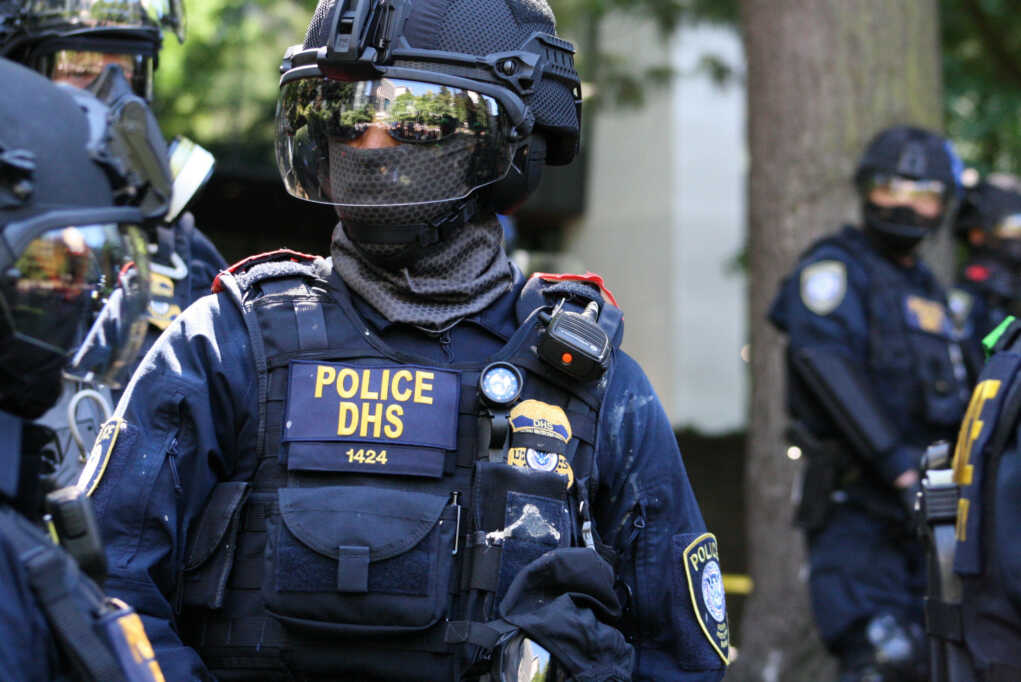
The Supreme Court’s six-to-three ruling put a stop to a lower court’s sweeping order that had crippled immigration enforcement in the Los Angeles region.[6] That order had barred federal agents from making most street stops unless they could show “reasonable suspicion” under a very strict definition crafted by the trial judge.[6] The new decision lets Immigration and Customs Enforcement and other federal officers again rely on the “totality of circumstances” when they decide whether to briefly stop and question someone about immigration status.[3]
Justice Brett Kavanaugh explained that officers may consider many factors at once, such as known patterns of illegal hiring, high concentrations of unlawful residents, and behavior at known day labor sites.[6] He also stressed that ethnicity alone cannot provide reasonable suspicion, but it can be one relevant factor when combined with others under existing case law.[3] The ruling is a major victory for President Trump’s promise to carry out tough but lawful immigration enforcement across the country.[1]
What the Lower Court Tried to Do in Los Angeles
U.S. District Judge Maame Ewusi-Mensah Frimpong, a Biden appointee, had earlier issued a broad injunction covering the Los Angeles area, home to about twenty million people.[6] She blocked so-called “roving patrols” and said agents could not rely on traits like race, language, type of work, or certain locations when deciding whom to stop.[3] Her order even barred stops based on a person’s presence at common gathering places like car washes, tow yards, or Home Depot parking lots, even though those sites are known hiring spots for day labor.[3]
The judge claimed there was a “mountain of evidence” that federal agents were conducting stops without adequate suspicion and relying on factors such as speaking Spanish or doing manual labor work.[3] Civil rights groups and aligned media quickly framed the case as proof of systemic racial profiling by Trump’s enforcement teams.[12] But the Supreme Court was not asked to decide the entire fact record yet. It was asked whether her sweeping order went too far while the case moves forward. The conservative majority said it did and put that order on hold.[6]
How Justice Sotomayor and Liberal Media Framed the Decision
Justice Sonia Sotomayor, joined by the two other liberal justices, issued a fiery dissent that has become the script for liberal media outrage.[4] She wrote that “countless individuals” in Los Angeles had been seized, thrown to the ground, and handcuffed based on appearance, accents, and low-wage jobs, and claimed the Court was now exposing “countless more” to such treatment.[4] Outlets like the BBC repeated that framing and reported that agents could now detain people “merely” due to race, language, or occupation while the case continues.[1]
Advocacy groups and commentators quickly went further, saying the ruling “clears the way for racial profiling” and that Trump’s officers can stop anyone who “looks Latino” at a car wash or construction site.[10] Some academics argued the decision “misses the mark legally and factually” and claimed it will make it harder to challenge government misconduct in immigration cases.[9] These talking points have fueled dramatic segments on left-leaning channels, where guests accuse the Court of gutting the Fourth Amendment and turning Los Angeles into a “militarized zone.”
What the Ruling Actually Says About Race and Reasonable Suspicion
The majority opinion and Justice Kavanaugh’s concurrence do not say that race alone is enough for a stop. Kavanaugh clearly wrote that visible ethnicity by itself cannot furnish reasonable suspicion, reaffirming long-standing precedent on immigration stops.[6] Instead, he explained that officers may weigh ethnicity as one factor among many, such as location, language, known smuggling routes, and work patterns, when applying the “totality of circumstances” standard.[3] That standard has been used in other policing contexts for decades.
Media critics focus heavily on the lower court’s “mountain of evidence,” but the Supreme Court did not endorse or reject those claims at this stage.[3] It simply decided that, for now, Trump’s administration likely has a strong chance of proving its enforcement tactics are constitutional, so the aggressive Los Angeles injunction should not stay in place while appeals proceed.[6] The case will keep moving through the courts, and specific abuses, if proven, can still be punished. But the ruling rejects the idea that every broad enforcement effort is automatically unlawful.
Sources:
[1] Web – MS Now Guest Suffered a Total Meltdown Over the Supreme Court’s …
[3] Web – Supreme Court lifts limits on LA immigration raids – BBC
[4] Web – Supreme Court lifts restrictions on ‘roving’ ICE raids in Los Angeles
[6] YouTube – Supreme Court backs White House in detaining people …
[9] Web – Yesterday, the Supreme Court ruled that “reasonable suspicion” is …
[10] Web – Supreme Court ruling allowing race-based immigration stops …
[12] Web – SCOTUS Opens Door to Racial Profiling in Immigration Enforcement