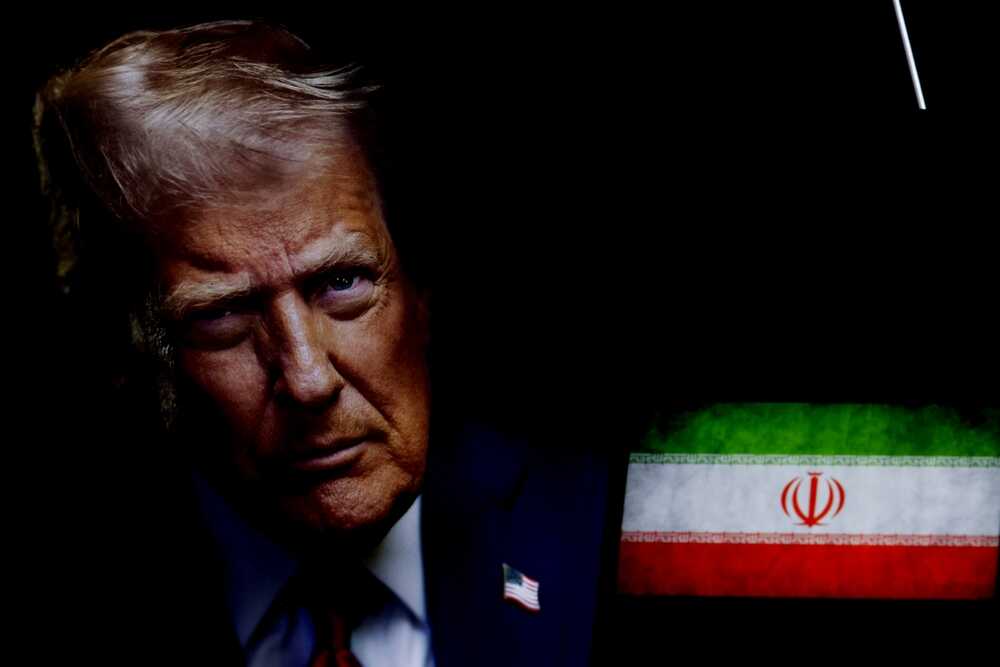
President Trump said nightly U.S. strikes on Iran will continue and could expand to bridges and power plants if Tehran refuses to negotiate, after Central Command confirmed hundreds of military targets have already been hit.
Story Highlights
- U.S. Central Command reported a third round of strikes, hitting about 140 Iranian military targets on July 11
- Over three nights, more than 300 Iranian targets were struck to protect shipping in the Strait of Hormuz
- Trump pledged a 20-to-1 retaliation ratio and said attacks would continue nightly unless Iran talks
- Commercial traffic through the Strait continues despite Iran’s closure claims, per Central Command
U.S. Confirms Third Night Of Precision Strikes
U.S. Central Command said on July 11 that American forces completed a third round of precision strikes inside Iran. Command officials listed roughly 140 targets hit, including missile and drone sites, naval assets, and communication nodes. The command said the goal is to reduce Iran’s ability to threaten civilian mariners and commercial ships. Officials added that vessels continue to transit the Strait of Hormuz, pushing back on Tehran’s claims it had closed the waterway.
Central Command also stated that across three consecutive nights this week, U.S. forces have struck more than 300 targets. The operation aims to protect shipping and prevent Iran from using coastal systems to menace the Strait. The statement framed the strikes as focused and lawful, directed by the commander in chief. The message to Iran was clear: stop targeting civilian commerce, or face ongoing action that removes the tools used to do it.
Trump’s Message: Talks Or More Pain For The Regime
President Trump told reporters that nightly operations will continue unless Iran returns to the table. He said that if Iran refuses, future targets could include bridges and power plants. Trump also pointed to a large strike tempo and described a steep “twenty to one” response ratio for any Iranian attack. In earlier remarks, he linked the renewed strikes to stalled talks and Iran’s maritime aggression against ships in the vital corridor.
Trump described a prior eleven-hour negotiation session that broke down after Iran sought late changes. He said everything had been agreed before Tehran walked back terms. That account, shared publicly, underlines the White House view that military pressure is tied to a clear diplomatic off-ramp. The administration’s stance is simple: end attacks on shipping, acknowledge the Strait is open, and reengage on terms already discussed.
Maritime Security And What’s Next For Energy And Trade
The Strait of Hormuz carries a big share of the world’s energy. Shipping needs a safe lane and predictable rules to keep fuel and goods moving. Central Command reported that traffic continues, which supports the policy aim of holding the Strait open while degrading Iran’s strike capacity. If Iran keeps firing at ships or spreads mines, U.S. forces appear ready to keep removing launchers, boats, and radar sites night after night until the threat drops.
Conservatives care about strength that prevents war and protects American families from price shocks. A safe Strait helps keep energy costs in check and blocks hostile regimes from using oil transit as a weapon. The administration’s approach ties military actions to a push for talks, which can end the cycle if Iran stops hitting civilian targets. If Iran refuses, the president has signaled more pressure is coming until the regime chooses stability over chaos.
Claims, Limits, And The Facts We Can Confirm
Iran has alleged that U.S. strikes hit railway bridges. Central Command’s public list names military systems and nodes, not rail lines or bridges. Without an official damage report detailing those sites, the bridge claim remains unconfirmed. Central Command’s statement also disputes Iran’s claim to have closed the Strait by noting ongoing commercial traffic. That operational fact supports the U.S. rationale for the strikes and their stated success to date.
🇺🇸| United States: Fourth Consecutive Night of Massive Airstrikes and Resumption of Naval Blockade
On July 14–15, 2026, U.S. forces launched massive airstrikes against Iran, marking the fourth consecutive night of military operations since the conflict escalated.
◼️ Scale and…
— Aprajita Nafs Nefes 🦋 Ancient Believer (@aprajitanefes) July 15, 2026
Media and analysts have questioned whether strikes alone will change Tehran’s behavior quickly. The White House answer is sustained pressure matched with a path to talks. Trump’s pledge to continue nightly action, and to expand target sets if needed, sets a hard boundary for Iran’s leaders. The choice is theirs: stop attacks on ships and negotiate, or see more of the tools of coercion dismantled by precise and repeated U.S. action.
Sources:
thegatewaypundit.com, centcom.mil