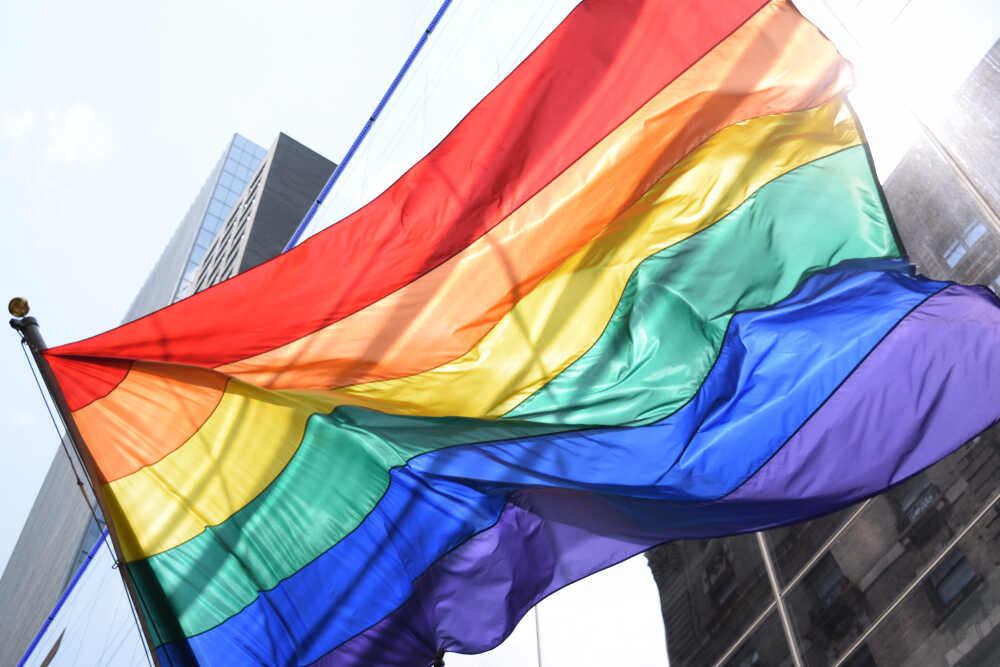
Seattle’s own LGBTQ commission says nonprofits are tapped out and wants a civil emergency declared to unlock taxpayer funds.
Story Highlights
- Seattle’s LGBTQ Commission urged Mayor Katie Wilson to declare a civil emergency to fund overburdened nonprofits.
- Nonprofit Traction says it helped 1,500 transgender people since the 2024 election, up from 70 in the prior 18 months.
- Local leaders warned housing and food aid could run short without emergency action.
- National data on LGBTQ migration is limited, but demand spikes are real on the ground.
Commission Seeks Emergency Powers To Fund Services
Seattle’s LGBTQ Commission sent city leaders a formal letter asking for a civil emergency to support a surge of newcomers. The letter argues nonprofits are overwhelmed by people fleeing red states and need rapid help for housing, food, and health care. The request went to Mayor Katie Wilson and the City Council. The commission framed the situation as life-and-death for those arriving now. The letter aims to open emergency funds and speed approvals for services.
Local television reports say the commission and allied groups also organized rallies to push the city to act. Organizers said shelters and resource centers face lines and waitlists. They warned summer demand could drain food aid and emergency lodging. The campaign urges tax relief and grants for groups already serving clients. It also calls for a one-stop intake system so arrivals can find help fast without repeating paperwork across agencies.
Nonprofits Report A Sharp Spike Since 2024 Election
Leaders at the nonprofit Traction told reporters their caseload jumped after the 2024 election. They say they helped 1,500 transgender people move from red states since then. That compares to only 70 helped in the 18 months before. Staff say they lack beds, case managers, and mental health support to match the surge. Several other groups describe similar strain, with phones ringing nonstop and limited funds to place people into safe housing quickly.
This local spike tracks with a broader pattern seen in “sanctuary” hubs. Cities that brand themselves as safe for gender care often draw people leaving stricter states. But national tracking is thin. Axios reports there is no single, solid dataset that proves a broad, quantified wave across the country. On the ground, however, Seattle groups are dealing with real demand and budget gaps that city leaders now must weigh in public view.
City Hall Weighs Costs, Capacity, And Precedent
Reports indicate the Mayor’s Office has not yet declared an emergency, and some coverage suggests city leaders may hesitate. An emergency order can unlock funds and loosen rules. It also sets a precedent for using emergency power for a social services surge. The commission argues that beds, meals, and safety justify that step. City leaders must decide how to help without draining reserves or crowding out other urgent needs already in the queue.
Seattle LGBTQ Commission Calls for Civil State of Emergency
The Seattle LGBTQ Commission urged Mayor Katie Wilson to declare a civil state of emergency due to a large influx of transgender individuals migrating from states with restrictive laws (Texas, Florida, Tennessee, etc.).… pic.twitter.com/takub4R5Wq
— Wanda Gilbert🔥 (@GilbertWanda) July 10, 2026
For taxpayers, the stakes are clear. Emergency declarations often bring rapid spending and fast-tracked contracts. Seattle already faces high housing costs and pressure on public safety. Adding a new emergency could widen budget gaps if not tightly managed. Supporters say targeted aid now prevents deeper costs later. Skeptics want firm guardrails, clear metrics, and a time limit. Both sides agree current systems are straining and need an organized response plan.
What This Means For Other Cities
Other progressive hubs have seen similar crunches after they promoted transgender sanctuary policies. When city messaging promises safety and access, people do move, even if national counts are unclear. That puts stress on housing markets and human services first. The lesson for leaders is simple. Do not make open-ended pledges without a funding plan, intake system, and clear capacity limits. Otherwise, nonprofits become the safety valve until they run dry.
Conservatives will see a familiar cycle here. Activists push broad promises, then demand emergency funds when reality hits. Seattle’s debate should focus on order, accountability, and core needs. If the city declares an emergency, it should define who qualifies, how long aid lasts, and how success is measured. That approach protects taxpayers, maintains public trust, and helps the truly vulnerable get rapid, lawful, and trackable help without mission creep.
Sources:
townhall.com, advocate.com, washingtonpost.com, fox13seattle.com, seattle.gov, escholarship.org, pmc.ncbi.nlm.nih.gov