
Iran’s latest claim to shut the Strait of Hormuz has jolted global oil markets and put working American families on notice that energy is once again a weapon in the Middle East.
Story Snapshot
- Iran’s Revolutionary Guard says the Strait of Hormuz is “closed until further notice,” after striking a commercial ship.
- The United States military disputes that claim and says traffic is still moving through the waterway.
- Oil prices are jumping as traders fear a real cutoff of Gulf crude and more US-Iran fighting.
- This crisis exposes how easily foreign regimes can threaten American gas prices and family budgets.
Iran Claims Closure Of Vital Oil Chokepoint
Iran’s Islamic Revolutionary Guard Corps Navy announced through state media that the Strait of Hormuz is “closed until further notice” and will stay closed until the United States ends what Tehran calls its interference in the region. The Guard says its forces fired on a Cyprus-flagged container ship moving on an “unauthorized route,” hit the vessel, and forced it to halt. This latest step fits months of Iranian attempts to control or tax traffic in the strait and to punish ships linked to the United States and Israel.
The United States Central Command quickly pushed back on Iran’s claim and said the waterway remains open to legal traffic. United States officials confirmed that a commercial cargo ship was damaged, that one civilian crew member is missing, and that the crew later abandoned the burning vessel in a lifeboat. In response, the United States military launched fresh strikes on Iranian military targets near the strait, including facilities tied to Iran’s navy and air defenses. The message from Washington is clear: Iran “does not control” the Strait of Hormuz and freedom of navigation will be defended.
Strait Of Hormuz: Why This Narrow Waterway Matters So Much
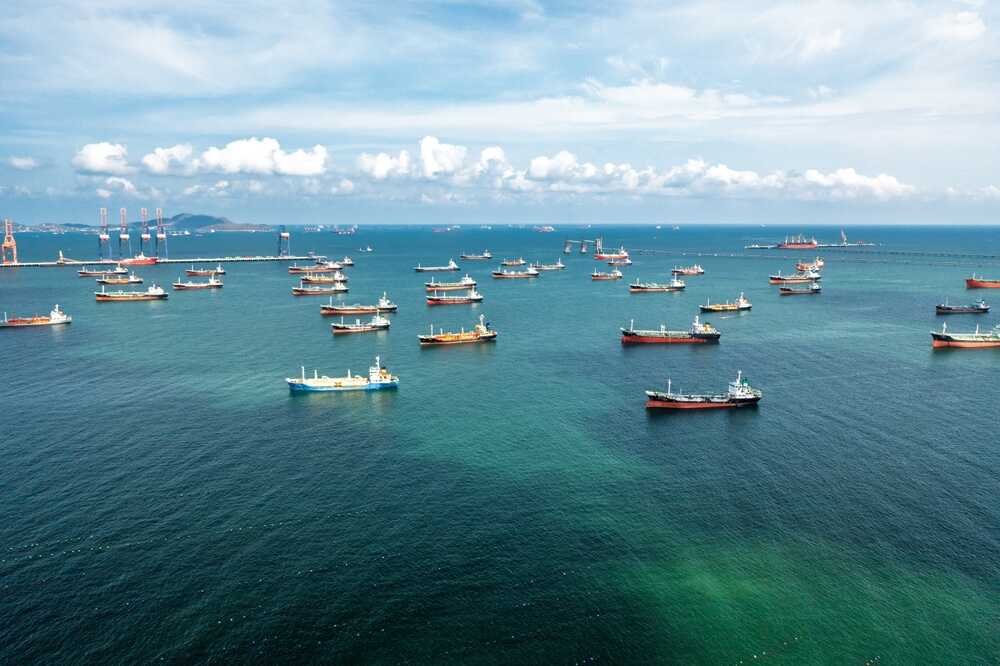
The Strait of Hormuz is a narrow sea lane off Iran’s southern coast that carries roughly a quarter of global oil flows. Tankers from Saudi Arabia, Iraq, Kuwait, and other Gulf states must pass through this chokepoint to reach world markets, including the United States. Analysts warn that a real, lasting shutdown would drain oil stockpiles and push prices sharply higher. Because the strait is wide and deep, experts say no single country has ever fully closed it for long, but traffic can be heavily disrupted by attacks and threats.
Since early 2026, Iran has repeatedly declared the strait “closed,” then partly reopened it, using these swings as leverage in its standoff with the United States and Israel. Iran’s forces have warned ships, boarded some, laid sea mines, and fired on tankers that do not follow its rules or pay demanded charges. These actions have turned a global trade artery into a pressure point. They allow Iran’s rulers to rattle markets, seek political concessions, and test how far Washington will go to protect free passage and allied economies.
Oil Prices Jump As Fighting Resumes
Fresh United States-Iran strikes around the strait come after a fragile ceasefire and a short period when traffic was slowly recovering. Each new clash raises fears that Iran will go beyond warning shots and carry out broader attacks on tankers or energy infrastructure. Traders are already reacting by bidding up oil futures, expecting tighter supply if more ships avoid the area or if insurers refuse to cover voyages. A sustained crisis could push crude prices toward the $100 mark, hitting everything from airline tickets to home heating costs.
For American families who still remember the inflation shock of recent years, higher oil prices feel like rubbing salt in a wound. Every jump in crude shows up later at the gas pump, on utility bills, and in the prices of goods moved by truck. Conservatives have long warned that deep reliance on unstable foreign oil and weak border and spending policies at home leave the United States exposed. This crisis underlines that warning again: when hostile regimes play games with energy, ordinary citizens pay the price.
US Response And The Fight To Keep Trade Routes Free
The Trump administration has tied its military moves to a clear goal: keep the strait open to lawful traffic without surrendering control to Iran. United States Central Command reports dozens of merchant vessels still passing through and insists that “traffic is flowing” under American protection. At the same time, the administration has restarted strict sanctions on Iran’s oil sales to limit Tehran’s cash and punish attacks on ships. Officials say Iran must stop targeting commercial vessels and abandon any idea of charging tolls for passage through the international waterway.
Oil prices surge 4% as US-Iran clashes near Strait of Hormuz. Vital global trade route at risk. Follow @ZipNews_off
— ZipNews (@ZipNews_off) July 13, 2026
Policy experts note that the United States and its allies have dealt with tanker threats before, during the 1980s war between Iran and Iraq and other Gulf crises. Back then, American and Western navies escorted tankers to ensure safe passage. Similar tools are on the table now, including armed escorts, mine-clearing operations, and greater patrols. For constitutional conservatives, the stakes are simple: if America fails to defend free seas, rogue states gain power not just over foreign trade, but over the daily cost of living for millions of citizens at home.
Sources:
youtube.com, openthemagazine.com, politico.com, wbrz.com, jpost.com, cbc.ca, facebook.com, centcom.mil, instagram.com, dhapress.com, crisisgroup.org