Somaliland has offered the United States exclusive military access to a strategic Red Sea base and port, positioning itself as a critical foothold against Iran-backed Houthi threats that have paralyzed global shipping lanes.
Story Snapshot
- Somaliland offers U.S. access to Berbera port and airbase, featuring Africa’s longest runway and proximity to Yemen’s Houthi-controlled territory
- AFRICOM conducts monthly delegations to the unrecognized nation while State Department maintains Somalia sovereignty stance
- Israel became first nation to recognize Somaliland in December, eyeing mineral rights and anti-Houthi intelligence operations
- Iran-backed militias threaten escalation as U.S. seeks alternatives to increasingly reluctant Djibouti for Red Sea operations
Strategic Red Sea Gateway Emerges
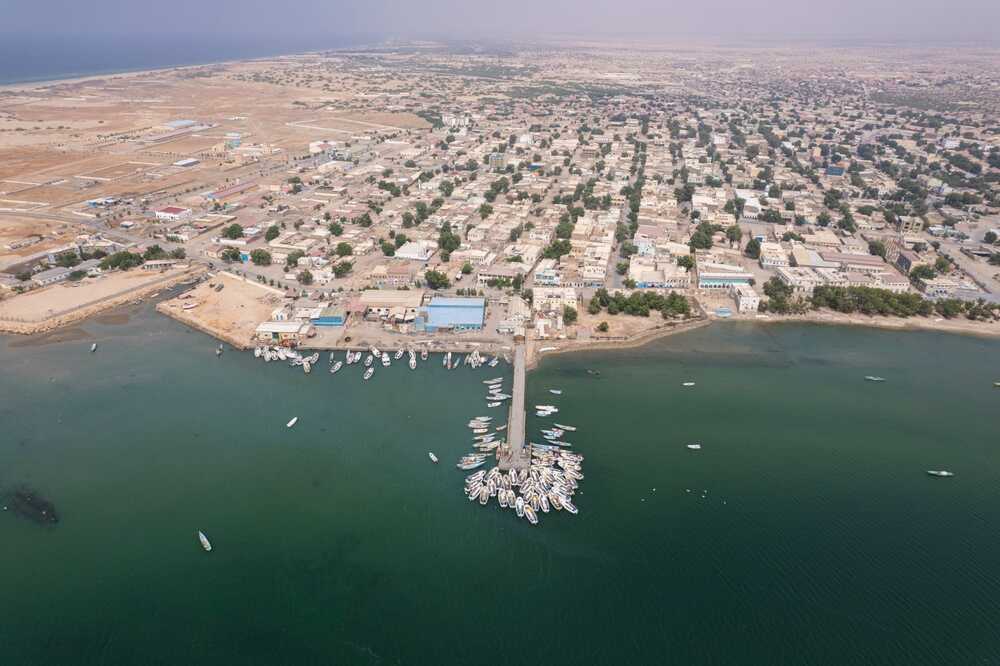
Somaliland’s Berbera facility sits astride the Bab el-Mandeb Strait, a chokepoint connecting the Red Sea to the Indian Ocean that handles billions in global trade. The site boasts a runway originally built for NASA operations, providing capacity for heavy military aircraft. Iran-backed Houthi forces have disrupted shipping through these waters in solidarity with Palestinians, creating urgent demand for U.S. operational bases beyond existing facilities. Berbera’s location across the Gulf of Aden from Yemen positions it within striking distance of Houthi installations while maintaining distance from direct conflict zones.
AFRICOM Explores Unrecognized Territory
General Dagvin Anderson, commander of U.S. Africa Command, visited Berbera in November and met with Somaliland President Abdirahman Mohamed Abdullahi, signaling serious interest despite official U.S. policy. Monthly AFRICOM delegations to Hargeisa have continued since, according to reports, even as the State Department publicly reaffirms recognition of Somalia’s territorial integrity including Somaliland. This creates a peculiar diplomatic dance where operational necessity clashes with formal recognition policy. Somaliland Minister Khadar Hussein Abdi told AFP in February the nation stands ready to grant U.S. military access without demanding recognition as a precondition, a pragmatic approach that simplifies negotiations.
Israel Breaks Recognition Barrier
Israel recognized Somaliland as an independent nation in December, becoming the first country to do so since the territory declared independence from war-torn Somalia in 1991. Reports indicate Israeli interest extends beyond diplomatic validation to securing mineral extraction rights and establishing intelligence bases for monitoring and targeting Houthi operations. This partnership creates a bone in Iran’s throat, as one analysis described it, threatening Tehran’s proxy network across the Red Sea corridor. President Abdullahi’s office has offered Israel access to natural resources, cementing an alliance built on shared security interests against the Iran-backed axis threatening regional shipping and energy flows.
Djibouti Alternative Gains Traction
The United States currently maintains its primary Horn of Africa presence in Djibouti, but that nation has grown reluctant to support anti-Houthi sanctions, creating operational constraints. Edmund Fitton-Brown, former UK ambassador to Yemen now with the Foundation for Defense of Democracies, characterized Berbera as having huge strategic potential compared to the increasingly unreliable Djibouti option. Somaliland operates its own government, currency, military, and police force, providing institutional stability absent in Somalia proper, which remains plagued by conflict. The Trump administration’s America First doctrine opposes new overseas bases, yet the strategic imperative of countering Iranian threats to critical sea lanes may override that hesitation.
Could Somaliland base emerge as US foothold against Iran, Houthis in key sea lanes? https://t.co/yn3RUkpuvl @FoxNews #IranWar
— Somalilanders (@Somaalilanders) April 13, 2026
Regional complications abound as Turkey backs Somalia’s territorial claims while Saudi Arabia and Egypt oppose Somaliland recognition, fearing precedents for separatist movements. Iran-linked media warned in March that Red Sea insecurity remains an option for the so-called Resistance Front, effectively threatening retaliation against Somaliland if it hosts U.S. or Israeli forces. These threats underscore the high-stakes gamble Somaliland’s leadership accepts by courting Western military partnerships. For American taxpayers weary of endless foreign entanglements, Somaliland presents a rare case where a willing local partner seeks to shoulder security burdens without demanding nation-building investments or recognition commitments that complicate regional diplomacy.
Sources:
Could Somaliland base emerge as US foothold against Iran, Houthis, key sea lanes? – Fox News
A bone in Iran’s throat: the US and Israel eye Somaliland – Think BRICS
Somaliland open to giving US access to military base – The Defense Post
Iran’s Proxy War Moves South: Somaliland Enters the Houthi Threat Map – WCYS