Pentagon orders withdrawal of 5,000 U.S. troops from Germany as President Trump punishes NATO ally over refusal to back America’s Iran operations, exposing the hollowness of transatlantic alliances that drain American resources while offering little support when it matters most.
Story Snapshot
- Defense Secretary Pete Hegseth orders 5,000 troops out of Germany over 6-12 months following public feud between Trump and Chancellor Merz over Iran war support
- Withdrawal represents 14% of U.S. forces in Germany, echoing Trump’s 2020 drawdown plans reversed by Biden, as administration pivots to Indo-Pacific priorities
- German Chancellor Merz criticized U.S. Iran strategy as “humiliation,” triggering Trump’s social media threats and Pentagon force posture review
- Move signals broader frustration with NATO allies who benefit from American military umbrella while refusing to stand with U.S. in active conflicts
Trump Punishes Germany for Iran War Criticism
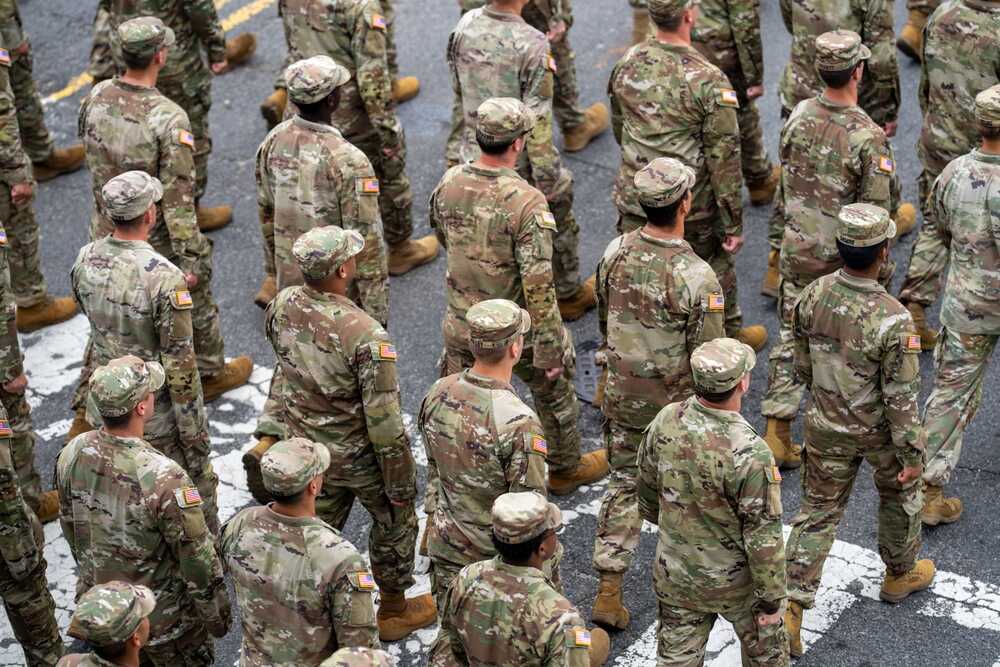
Defense Secretary Pete Hegseth ordered the withdrawal of approximately 5,000 U.S. troops from Germany on May 1, 2026, following a heated public dispute between President Trump and German Chancellor Friedrich Merz over NATO support during the ongoing U.S.-Iran conflict. Pentagon spokesman Sean Parnell confirmed the drawdown would occur over six to twelve months, affecting one brigade combat team from the roughly 36,000-38,000 American personnel currently stationed in Germany. The move comes after Merz publicly criticized U.S. Iran strategy as a “humiliation” by Iranian leadership, prompting Trump to accuse the German leader of supporting Iran’s nuclear ambitions and question Germany’s economic competence.
Trump’s frustration with Germany mirrors broader conservative concerns about European allies who enjoy American military protection without reciprocating when U.S. forces engage in actual combat operations. Germany and other NATO members have largely avoided involvement in the Iran conflict, even as they face higher energy prices from disrupted shipments caused by the war. This pattern reveals a fundamental problem: Washington maintains expensive forward deployments to defend allies who criticize American strategy while refusing to share the burden. For taxpayers funding this presence, the disconnect between U.S. sacrifice and European gratitude grows increasingly difficult to justify, particularly when allies lecture America about strategy while sitting safely on the sidelines.
NATO Alliance Cracks Under Pressure
The withdrawal follows a week of escalating tensions that began when Chancellor Merz delivered remarks in Marsberg criticizing the U.S. approach to Iran, calling it strategically incoherent and emboldening to Tehran’s nuclear program. Trump responded via Truth Social, accusing Merz of effectively supporting Iranian nuclear weapons development and questioning Germany’s economic management. By Wednesday, Trump hinted at reviewing troop levels in Germany, stating that Merz “doesn’t know what he’s talking about.” The Pentagon’s announcement Friday formalized what Trump’s posts had threatened, citing a “thorough review of force posture” and adjustments to meet “theater requirements.”
This episode exposes the fragility of NATO unity when American interests diverge from European preferences. Germany benefits enormously from U.S. bases like Ramstein Air Base, which serves as the headquarters for U.S. European Command and a critical logistics hub for Middle East operations, yet Berlin feels comfortable publicly undermining Washington’s military strategy. The arrangement allows Germany to avoid defense spending increases while maintaining moral superiority over American actions. Trump’s willingness to pull troops challenges this comfortable arrangement, forcing allies to choose between supporting U.S. operations or losing the security guarantee they’ve taken for granted since World War II.
Strategic Shift Toward Indo-Pacific Priorities
Pentagon sources indicated that some withdrawn troops may redeploy to the Indo-Pacific region after returning to the United States, reflecting a broader strategic pivot away from European commitments toward addressing Chinese threats. Defense officials downplayed immediate security impacts in Europe, noting that NATO allies have increased their own military investments in recent years, making American presence less critical than during the Cold War. The withdrawal excludes Landstuhl Regional Medical Center and maintains major command structures, but signals that Washington no longer considers indefinite European deployments sacrosanct when allies fail to demonstrate solidarity during active American military operations.
This reorientation makes strategic sense for Americans concerned about government waste and misallocated resources. Europe faces no immediate existential threat comparable to Chinese ambitions in Asia, yet U.S. forces remain concentrated in Germany at Cold War levels. Meanwhile, Beijing expands military capabilities threatening American interests in the Pacific, where troop presence lags behind strategic requirements. Redirecting forces from uncooperative European allies to counter genuine threats in Asia represents the kind of rational resource allocation voters elected Trump to implement. Germany’s economic strength and geographic security afford it the luxury of criticizing American strategy; that same strength means Germany can defend itself without 36,000 American troops subsidizing its security.
Congressional Resistance and Historical Context
Trump’s 2020 attempt to withdraw 12,000 troops from Germany faced Congressional obstruction and was reversed under the Biden administration, which increased European troop levels following Russia’s Ukraine invasion. Bipartisan resistance in Congress to reducing NATO commitments has limited Trump’s ability to fundamentally reshape alliance structures, despite a 2023 law requiring Congressional approval for NATO withdrawal. The current 5,000-troop reduction represents a more modest approach than the 2020 plan, potentially reducing legislative pushback while still sending a clear message about expectations for allied burden-sharing during active conflicts.
The disconnect between Washington’s political establishment and voter frustration over one-sided alliances remains stark. Congressional protection of NATO reflects the preferences of foreign policy elites who prioritize institutional continuity over accountability, even when allies openly criticize American military operations those institutions are conducting. For citizens watching their tax dollars fund German security while Chancellor Merz lectures Washington about Iran strategy, the arrangement looks less like alliance management and more like tribute payments to ungrateful beneficiaries. Trump’s troop withdrawal, however limited by Congressional constraints, acknowledges this reality in ways the permanent government refuses to consider.
Sources:
Trump orders withdrawal of 5,000 troops from Germany – CBS News
Hegseth orders withdrawal of US troops from Germany – Politico
US to withdraw 5,000 troops from Germany in next 6-12 months, fulfilling Trump’s threat – ABC 33/40
Pentagon plans to withdraw 5,000 US troops amid US-Germany friction – CGTN