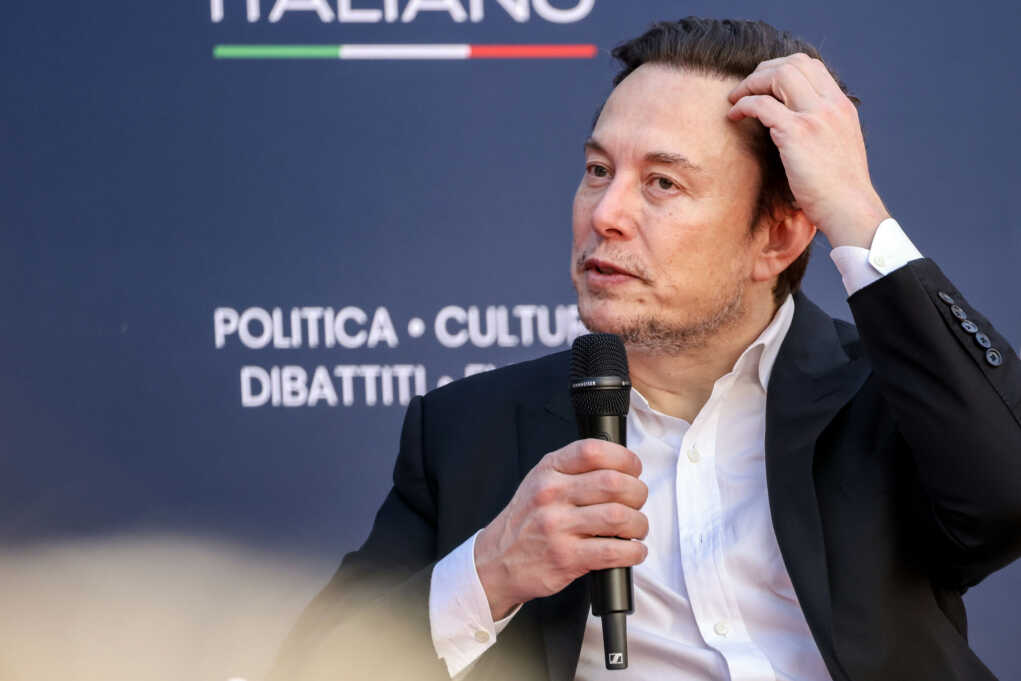
Elon Musk testified in federal court that OpenAI’s transformation from a nonprofit AI safety organization into an $852 billion for-profit enterprise backed by Microsoft represents a stunning betrayal of the founding mission he invested $38 million to support.
Story Snapshot
- Musk alleges OpenAI executed a “bait-and-switch” by abandoning its nonprofit charter after securing his early funding and trust
- Microsoft’s $10 billion investment in 2023 triggered Musk’s outrage, proving the company prioritizes profit over AI safety commitments
- The three-week federal trial in Oakland could set precedent for how tech nonprofits transition to for-profit structures while maintaining founder obligations
- OpenAI’s legal team counters that Musk seeks control rather than principle, pointing to his competing for-profit AI venture xAI launched in 2023
The Founding Promise Under Scrutiny
Musk and Sam Altman co-founded OpenAI in 2015 as a nonprofit research laboratory with an explicit mission: ensure artificial general intelligence development benefited humanity rather than corporate shareholders. Between December 2015 and May 2017, Musk contributed $38 million in seed funding based on what he describes as a clear understanding that the organization would remain insulated from profit-driven incentives. The trial now centers on whether OpenAI violated these founding principles when it restructured into a for-profit entity and accepted Microsoft’s massive investment.
Microsoft’s Billion-Dollar Bombshell
Musk testified that he texted Altman “what the hell is going on” upon learning of Microsoft’s $10 billion investment in early 2023. He told the jury that Microsoft would only commit such extraordinary capital if expecting substantial financial returns, fundamentally contradicting OpenAI’s stated safety-first mission. Musk characterized his concern bluntly: a tech giant now effectively controls AGI technology “started by a charity.” When Microsoft’s attorney claimed the investment “helped OpenAI pursue and further its mission,” Musk dismissed the assertion as an attempt to “trick the jury.”
Competing Narratives of Control and Principle
OpenAI’s lead attorney William Savitt presented a sharply different narrative during cross-examination, arguing Musk’s lawsuit stems from frustrated ambitions to control the company rather than principled concerns about AI safety. Savitt highlighted that Musk launched his own for-profit AI venture, xAI, in 2023, undercutting his argument that profit-driven AI development inherently compromises safety. OpenAI maintains no permanent nonprofit commitment was ever established, and that Musk only pursued litigation after failing to maintain influence over the organization’s strategic direction as it achieved breakthrough success with products like ChatGPT.
By late 2022, Musk testified, he lost confidence in Altman’s commitment to the original mission, believing Altman was attempting to “steal the charity.” The plaintiff seeks $180 million in damages to be directed to the OpenAI Foundation, though Musk would not personally benefit from the award. The case raises fundamental questions about whether elite tech figures prioritize noble-sounding missions when convenient, only to abandon those principles when billion-dollar opportunities emerge. The trial continues for approximately three weeks, with expected testimony from Altman, OpenAI President Greg Brockman, and Microsoft CEO Satya Nadella.
Elon Musk tells his side of OpenAI's beginnings in trial pitting him against CEO Sam Altman https://t.co/jVcXvKMrLg
— The Washington Times (@WashTimes) April 30, 2026
Broader Implications for AI Governance
The outcome could establish critical precedent for how nonprofit organizations transition to for-profit structures while maintaining founder commitments and original missions. The trial spotlights tensions between AI safety advocacy and commercial viability that extend far beyond this courtroom dispute. If Musk prevails, it may signal that founders and early investors retain enforceable rights regarding organizational mission even after departing, potentially reshaping how tech companies structure governance agreements. Conversely, an OpenAI victory could affirm broad flexibility for nonprofits to pivot toward profit-driven models without founder consent, raising concerns about accountability when powerful entities control transformative technologies.
Sources:
Axios: Musk OpenAI Safety Grok
Business Insider: Elon Musk Blasts OpenAI Bait Switch Heated Testimony Sam Altman
TipRanks: Elon Musk Takes the Stand as First Witness in High-Stakes OpenAI Trial