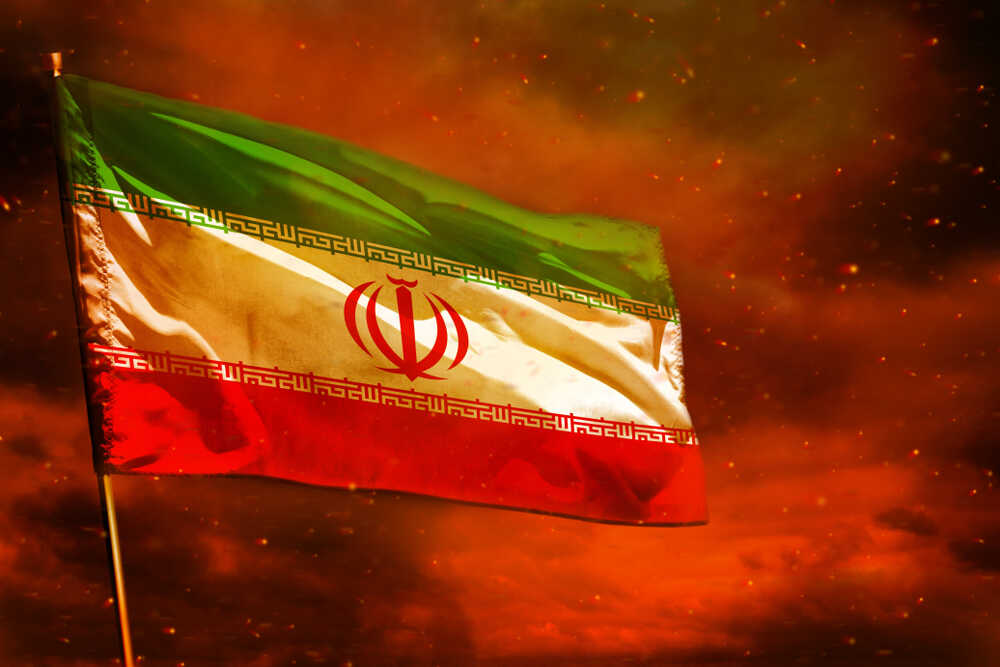
President Trump just extended a ceasefire with Iran indefinitely—while keeping a U.S. naval blockade in place—betting that Tehran’s “seriously fractured” leadership can’t hold together under pressure.
Quick Take
- Trump announced the U.S.-Iran ceasefire will continue indefinitely, hours before a two-week deadline was set to expire.
- The U.S. is not lifting pressure: the naval blockade remains and U.S. forces are staying prepared for renewed strikes if needed.
- Pakistan’s leaders pressed Washington to keep diplomacy alive, even as Iran delayed talks and U.S. officials postponed Vice President JD Vance’s planned visit to Islamabad.
- Iran’s internal split—civilian officials favoring talks versus the IRGC resisting negotiations while the blockade continues—now sits at the center of the standoff.
Trump Extends the Ceasefire While Keeping Maximum Leverage
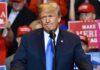
President Donald Trump announced on April 21, 2026, that the U.S. would extend its ceasefire with Iran indefinitely, reversing course from earlier statements that same morning when he suggested he did not want to prolong the pause. The extension came just before the original two-week window was set to expire. Trump said the decision was tied to Pakistani requests and to what he described as a “seriously fractured” Iranian government.
Trump’s move did not signal a retreat from hard power. U.S. policy continues to pair a diplomatic opening with sustained coercion: the naval blockade remains in effect and the U.S. military posture stays on alert. That combination matters because a ceasefire without enforcement mechanisms can become a one-sided pause, while a blockade without a path to de-escalation can turn into an open-ended crisis. For now, the administration is trying to hold both lines.
Pakistan’s Mediation Gains Influence as Talks Stall
Pakistan played a central role in the ceasefire’s extension, with its senior leadership urging Washington to keep the window open for a broader arrangement. Reporting indicates Trump pointed to outreach from Pakistan’s Army Chief Asim Munir and Prime Minister Shehbaz Sharif as key reasons for the indefinite extension. At the same time, momentum slowed when Iran declined further talks, leading the U.S. to postpone Vice President JD Vance’s planned trip to Islamabad.
This detail is easy to miss but important: when a U.S. diplomatic track depends on a third-country mediator, delays can compound quickly. Pakistan’s ability to convene another round is meaningful, but it cannot force unity inside Iran. That creates a fragile structure where Washington can keep pressure on Tehran through the blockade, yet still needs an actual negotiating partner capable of delivering a single, enforceable commitment.
Iran’s Internal Split Becomes a Strategic Variable
Trump’s “fractured” description lines up with reporting that Iran’s civilian leadership and its Islamic Revolutionary Guard Corps are not aligned on strategy. Civilian officials, including parliamentary and diplomatic figures tied to negotiations, have signaled interest in talks, while senior IRGC voices have resisted negotiating under blockade conditions. The U.S. seizure of an Iranian cargo vessel accused of trying to bypass the blockade appears to have intensified that internal debate.
Iran’s public reaction to the extension underscored that discord rather than closing it. Iranian officials dismissed the extension as insignificant and framed the blockade as an act of war, with at least one adviser portraying the ceasefire move as a possible ploy for a surprise strike. Meanwhile, key decisions are expected to hinge on Supreme Leader Ayatollah Ali Khamenei’s approval, reinforcing that Tehran’s negotiators may be constrained even if they want a deal.
Why the Blockade-and-Ceasefire Combo Cuts Both Ways
The immediate upside of an indefinite extension is straightforward: it reduces the likelihood of near-term escalation while leaving time for Iran to submit what the U.S. is describing as a unified proposal. The blockade keeps economic and logistical pressure on Iran, which the administration appears to view as leverage. However, several analysts and reports also warn that keeping the blockade during a ceasefire can erode trust and fuel Iranian suspicion about U.S. intentions.
From a conservative perspective, the strategic test is whether leverage produces verifiable outcomes rather than drifting into an expensive, indefinite standoff. Maintaining readiness and a naval operation carries costs and risks, especially if miscalculation triggers a broader conflict affecting oil routes and regional stability. With Republicans controlling Washington, the political room exists to sustain pressure, but the policy still needs clear objectives that the public can judge.
What to Watch Next: Khamenei’s Decision and a Second Islamabad Round
The next hinge point is Tehran’s ability—or willingness—to speak with one voice. Reporting indicates Iranian officials were awaiting Khamenei’s response after Trump’s announcement, and the prospect of another Islamabad round remains uncertain. If Iran’s leadership sends a coherent proposal, the ceasefire extension could become a bridge to enforceable terms. If Iranian factions continue to clash, the “fractured” reality Trump highlighted may become the central obstacle.
For Americans watching from home, the larger lesson is about government power and accountability: foreign crises often expand executive authority, budgets, and secrecy regardless of which party is in charge. The best safeguard is clarity—what the U.S. wants, what it will trade, and what it will not tolerate. Until those benchmarks are public, both supporters and skeptics will keep suspecting that Washington’s institutions prioritize leverage and optics over durable results.
Sources:
Trump extends Iran ceasefire, citing “fractured” Iranian government
Iran-U.S. Trump war ceasefire talks stalemate