
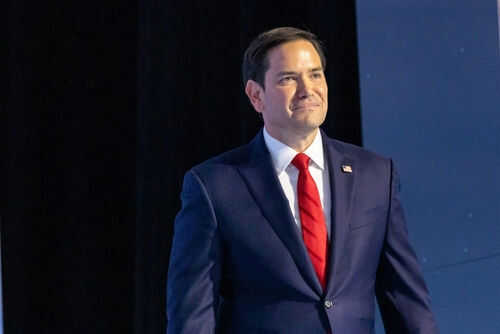
House Democrats urged Secretary of State Marco Rubio to ease up on narco-terrorists fueling America’s fentanyl crisis, igniting fury over misplaced priorities amid deadly cartel threats.
Story Snapshot
- 72-75 House Democrats sent a January 10, 2026, letter opposing U.S. military strikes on Venezuelan drug boats and threats against Mexican cartels.
- Trump administration destroyed 19 Venezuelan vessels, killing 76 suspects, as part of aggressive anti-narco operations since September 2025.
- Rubio defended actions at G7 in Canada, declaring allies cannot dictate U.S. security against hemispheric threats.
- Critics frame Democrats’ stance as soft on cartels responsible for over 100,000 annual U.S. overdose deaths.
Democrats Challenge Anti-Cartel Strikes
Seventy-two House Democrats, led by Ranking Members Gregory Meeks, Joaquin Castro, and Greg Stanton, sent a letter to Secretary Rubio on January 10, 2026. The correspondence condemned unilateral U.S. military actions against drug cartels in Mexico and Venezuela. Lawmakers argued such moves would erode trust with Mexico and undermine bilateral cooperation. They highlighted Mexican President Claudia Sheinbaum’s recent successes, including record fentanyl seizures and declining homicides. Democrats warned that strikes risk “disastrous” diplomatic fallout.
Trump Administration Ramps Up Operations
President Trump ordered strikes starting September 2025, destroying 19 Venezuelan drug boats and killing 76 narco-terrorists in international waters. Early January 2026 saw a Venezuelan oil tanker blockade and Maduro regime terrorist designation. Trump stated on Fox News January 3 that plans include “hitting land” in Mexico, where cartels like Sinaloa and Jalisco hold operational border control. These actions target fentanyl flows killing over 100,000 Americans yearly. Rubio identified narcos as the top Western Hemisphere threat.
Rubio Defends Strikes at G7 Summit
At the G7 meeting in Canada mid-January 2026, Rubio dismissed European concerns over strike legality. He asserted that allies “don’t get to dictate” U.S. security policy. Rubio accused Venezuela of partnering with narco-terrorists, justifying the blockade to starve cartel funding. This hawkish posture aligns with precedents like the 2020 Soleimani strike and 1989 Panama invasion against narcoterrorism. No ground operations in Mexico have occurred as of May 2026.
Partisan rifts deepened as Republicans, including Rubio and Senator Josh Hawley, labeled cartels as terrorizing America through drugs and migration. Democrats countered that unilateralism eviscerates programs like the 2006 Mérida Initiative. Short-term impacts include strained U.S.-Mexico ties; long-term, potential fentanyl reductions versus sovereignty crises. Both sides express frustration with government inaction on crises eroding the American Dream.
Seriously? House Dems to Rubio: Please Be Nicer to the Narcos and Terroristshttps://t.co/OAGNTYeZsg
— PJ Media (@PJMedia_com) May 11, 2026
Broader Implications for National Security
U.S. communities suffer from cartel-driven overdoses and border chaos, with billions in drug trade fueling violence. Strikes claim 97% Venezuelan sea interdiction, pressuring Maduro’s regime. Mexico’s sensitivities under Sheinbaum complicate cooperation, echoing Biden-era declines. Midterm pressures amplify GOP “tough on crime” messaging. Shared citizen discontent grows over elite priorities favoring foreign interests over domestic security and traditional principles of self-reliance.
Sources:
Rubio Identifies Single Most Serious Threat to US from Western Hemisphere
Congresistas demócratas alertan a Marco Rubio sobre desastre
Rubio Says Mexican Cartels Are Terrorizing America