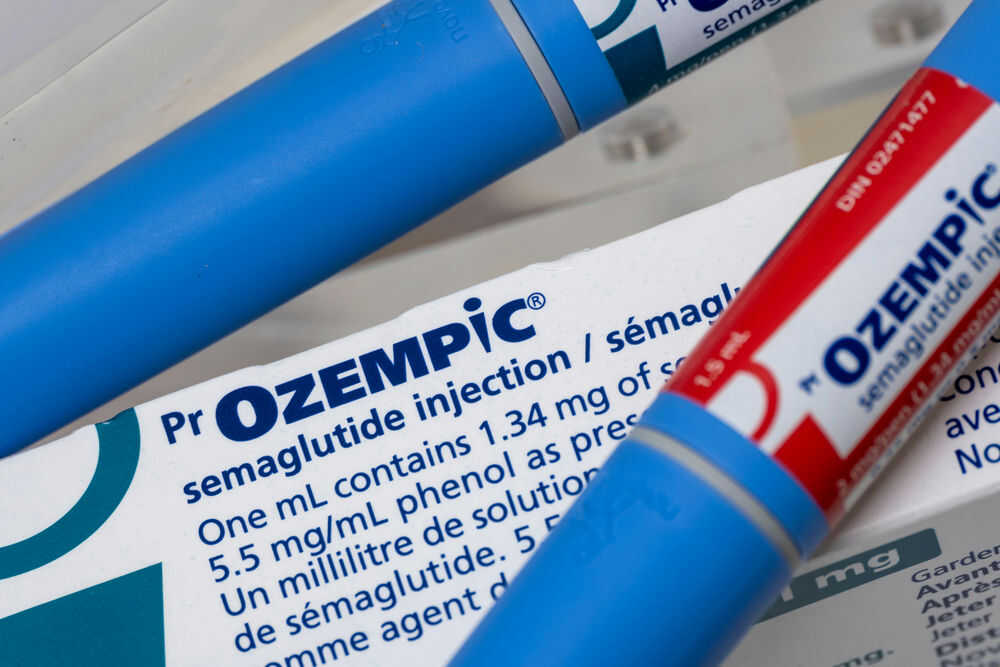
Viral claims that Ozempic “ruins love” by suppressing dopamine are spreading across social media despite zero clinical evidence, raising questions about how misinformation shapes public health decisions in an era when millions of Americans depend on weight-loss drugs.
Quick Take
- Social media influencers amplify unproven claims that GLP-1 drugs like Ozempic suppress romantic desire by dampening dopamine pathways, yet no clinical trials support this theory.
- The viral narrative parallels past medical scares—such as SSRI “libido killer” claims—that lacked scientific backing but influenced patient decisions for decades.
- Actual relationship strain from weight loss stems from identity shifts and body-image asymmetry between partners, not pharmacological effects on brain chemistry.
- Regulatory agencies including the FDA have recorded zero adverse reports linking Ozempic to romantic attachment deficits, yet the myth persists unchecked on TikTok and YouTube.
How Viral Misinformation Outpaces Scientific Reality
Since mid-2024, short-form video creators have weaponized basic neuroscience to craft a compelling narrative: GLP-1 agonists like Ozempic target reward pathways in the brain, suppressing not just appetite but romantic desire and emotional bonding. This claim, lacking any human clinical trial, has accumulated millions of views across YouTube Shorts and TikTok. The mechanism sounds plausible to laypeople unfamiliar with neurobiology, yet it represents a dramatic oversimplification of how love, attraction, and dopamine actually function in human brains.
The dopamine theory originates from legitimate 2023–2024 rodent studies showing GLP-1 agonists reduce food-seeking behavior via the nucleus accumbens, a brain region involved in reward processing. However, extrapolating from rodent feeding behavior to human romantic attachment represents a leap unsupported by evidence. No peer-reviewed study has ever documented GLP-1 drugs impairing human romantic attachment, yet influencers present this speculation as settled science, shaping decisions for millions of patients considering treatment.
Historical Precedent: When Medical Fear Outlasts Evidence
The “Ozempic ruins love” panic mirrors decades-old controversies surrounding selective serotonin reuptake inhibitors (SSRIs). Since the 1990s, antidepressants faced relentless claims that they destroyed libido and emotional capacity, despite meta-analyses showing no universal relationship between SSRI use and sexual dysfunction or relationship dissolution. Yet the fear persisted, causing countless patients to abandon effective mental health treatment. Today, similar dynamics surround Ozempic: anecdotal reports and speculative neuroscience drive viral content, while rigorous data remains invisible to mainstream audiences.
Novo Nordisk’s Q1 2026 earnings call explicitly stated: “No evidence of emotional blunting in real-world data.” The European Medicines Agency’s Q4 2025 review identified zero psychological or relationship-related adverse signals in their pharmacovigilance database. The FDA’s adverse event reporting system contains no credible reports linking Ozempic to impaired romantic attachment. Yet these regulatory assurances carry far less cultural weight than a 60-second YouTube Short titled “Is Ozempic Ruining Our Love Drive?”
The Real Problem: Identity Shifts, Not Brain Chemistry
Legitimate relationship strain does occur among couples navigating weight loss, but the mechanism differs fundamentally from the viral narrative. Psychotherapists report that rapid body transformation creates asymmetry between partners: one spouse loses significant weight while the other does not, triggering insecurity, attraction misalignment, and identity confusion. Post-bariatric surgery divorce rates spike 30–50% short-term, yet researchers attribute this to psychological identity shifts and changing social dynamics, not pharmacological effects on bonding capacity.
When one partner experiences dramatic physical change, the relationship must renegotiate intimacy, attraction, and mutual investment. This psychological challenge is real and deserves clinical attention—but it has nothing to do with dopamine suppression. Conflating identity-driven relationship strain with drug-induced emotional blunting obscures the actual counseling and communication work couples need. Therapists addressing these issues recommend honest dialogue and couples therapy, not abandoning effective weight-loss treatment based on debunked neuroscience.
Why Viral Claims Thrive Where Regulation Fails
With over 10 million Ozempic prescriptions written in the United States by 2025, the stakes for public health communication are enormous. Yet the regulatory and medical establishment has failed to counter misinformation aggressively. The FDA and Novo Nordisk issue dry, technical rebuttals that reach specialized audiences, while influencers craft emotionally resonant narratives designed for algorithmic amplification. A single viral video claiming “Ozempic destroyed my marriage” generates more engagement than peer-reviewed evidence of safety.
This dynamic reflects a broader erosion of institutional trust. When patients perceive pharmaceutical companies and regulatory agencies as self-interested, they turn to social media for “truth.” The “Ozempic ruins love” narrative thrives because it fits a pre-existing skepticism about Big Pharma: the idea that corporations hide inconvenient side effects to maximize profits. Addressing this requires not just better science communication, but rebuilding credibility through transparency and acknowledging genuine uncertainties about long-term psychological effects—areas where research remains genuinely incomplete.
Sources
Your Health Magazine – GLP-1 Drugs, Love, Dopamine, and Relationships: Separating Fact from Fiction
Clarity Therapy NYC – The Emotional Toll of Ozempic and Its Effect on Marriage