

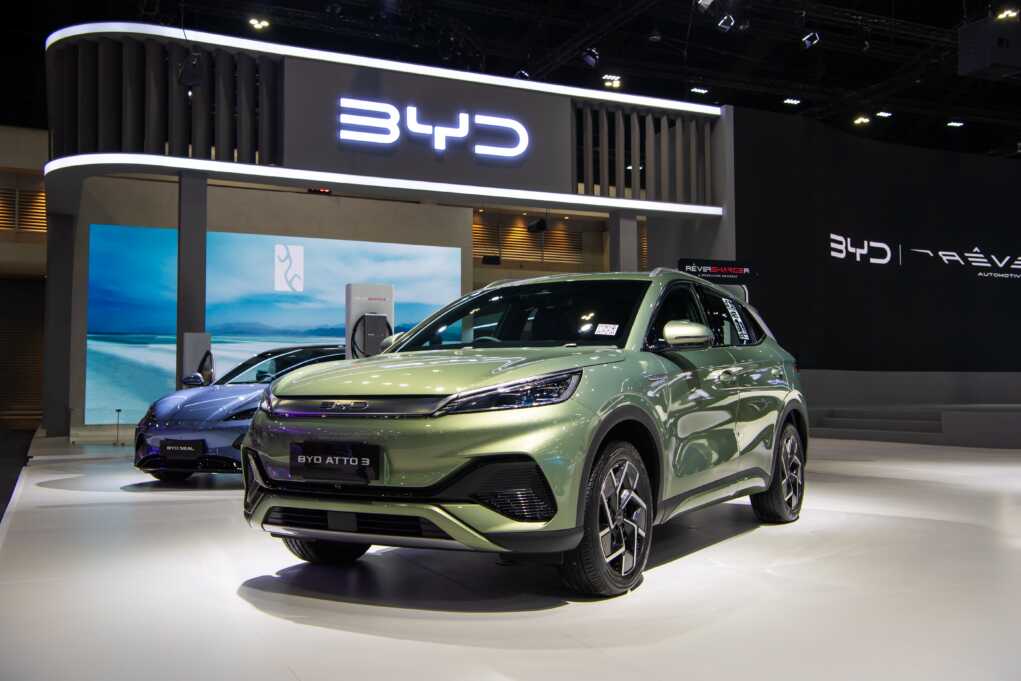
An internal Canadian security memo and expert testimony warn Chinese-made EVs could map our lives and our grids—yet Ottawa opened the gate anyway.
Story Highlights
- Internal Public Safety Canada memo warns Chinese EV data can aid surveillance and track “patterns of life.” [6]
- Parliamentary witness cites a “trifecta of risks”: dependence, unfair competition, and policy pressure. [5]
- Deal cuts tariffs from 100% to 6.1% and admits 49,000 EVs in 2026, rising yearly. [5]
- Ontario’s premier calls them “spy vehicles” that threaten jobs and industry strength. [6]
Security Warnings From Inside Canada’s Own Government
Public Safety Canada warned that data from connected vehicles can expose where people go, when they travel, and who they meet. The memo, obtained through access-to-information, says that sending data through foreign systems increases the chance hostile states will exploit it. It flags that vehicle data can help map sensitive sites and reveal patterns of life. While full details are not public, the thrust is clear: connected Chinese EVs raise real surveillance risks in Canada. [6]
Experts say modern EVs are rolling sensors with cameras, microphones, and location tracking. Former intelligence officials argue that, under China’s national security laws, companies can be forced to share data. That creates leverage over Canadians who plug in, drive, and sync phones. The concern is not only privacy. It is also about building a live map of roads, ports, and power infrastructure that an adversary could study—or pressure Ottawa with during a crisis. [6]
Parliamentary Testimony: The “Trifecta of Risks”
David Kovrig, a former intelligence officer, told Parliament the risks come in three parts. First is dependence on a rival’s technology and supply chain. Second is unfair competition that hollows out factories and jobs. Third is pressure on policy once market share grows. He argued China “weaponizes” scale and access to bend rules in its favor. His warning frames the EV deal as a strategic gamble, not a normal trade step. [5]
National-security scholar Brenda Shaffer echoed these points in a policy report. She warned that Chinese EVs could embed sabotage risk on Canada’s streets and near key infrastructure. The claim focuses on software control and remote updates, which can enable data grabs or disable features at scale. Her view challenges the idea that a small import quota is harmless, since connected fleets tend to grow and integrate fast once they enter a market. [2]
The Deal Terms: Lower Tariffs, Rising Quotas, Bigger Stakes
Industry officials confirmed the deal slashed tariffs from 100 percent to 6.1 percent and opened an initial import quota of about 49,000 vehicles for 2026. That quota is set to rise each year, moving tens of thousands more vehicles onto Canadian roads by early next decade. Supporters cite lower sticker prices. Critics see an on-ramp for dependency and a long runway for data exposure and industrial loss to grow over time. [5]
Ontario Premier Doug Ford called Chinese EVs “spy vehicles” and warned the deal could cost thousands of high-wage jobs in Canada’s auto belt. He tied the threat to both security and industry erosion. That view tracks with long-standing lessons from the Huawei saga. There, Canada barred risky gear from networks after allied pressure and internal reviews, despite little public forensic proof. Policymakers chose security first. [6]
What Ottawa Says—and What It Hasn’t Shown
Prime Minister Mark Carney’s team argues the market share is small at first and tied to local assembly later. They say cheaper EVs help buyers and support green goals. But they have not publicly rebutted the internal memo’s claims about data value and foreign access. Nor have they released a forensic teardown that proves these cars are safe. That gap leaves Canadians weighing discounts now against unknown risks later. [1]
China's Trojan Horse Rolls Into @Canada: A National-Security Scholar, @ProfBShaffer, Warns @MarkJCarney's Chinese EV Deal Embeds Sabotage Risk in the Country's Roads, Ports and Grids. @scoopercooper #cdnpoli #Carney #Canada #China #EV
— fan of Blue Jays (@77BlueJays) June 27, 2026
There is also a cross-border angle. The United States has warned about connected-vehicle risks tied to China for years. Washington has considered strict limits and steep tariffs to keep suspect technology off American roads. If Canada fills with Chinese-made EVs and the United States tightens entry rules, Canadian drivers could face surprise roadblocks at the border. That would strain trade, hurt families, and complicate continental security cooperation. [3]
What Must Happen Next to Protect North America
Lawmakers should demand the full Public Safety Canada memo and commission independent hardware and software audits. Results must be public and specific. Parliament should also require Canadian data to stay in Canada under enforceable rules with strong penalties. Manufacturers should prove core functions work without internet links and that remote updates cannot seize or brick fleets. Until these steps are done, Canada should pause new quotas and align with United States security standards. [6]
Sources:
[1] Web – Beijing’s Trojan Horse Rolls Into Canada: National Security Expert …
[2] Web – Beijing’s Trojan Horse Rolls Into Canada: A National-Security Scholar …
[3] Web – Mark Carney’s Dangerous Electric Car Bargain With Beijing
[5] YouTube – Trade national security for cheap EVs? What experts warn about …
[6] Web – ‘Rolling spy vans’? Canada weighs possible security threat …