
Federal food-safety officials quietly admitted their headline-grabbing test was wrong, after first pinning an “explosive diarrhea” parasite on Taco Bell’s lettuce supplier and then walking it back as a false alarm.
Story Snapshot
- Food and Drug Administration (FDA) now says its Taylor Farms lettuce test for the Cyclospora parasite was a false positive, with no confirmed contaminated product.
- Taylor Farms says FDA “made a mistake,” yet the company’s name is now tied to a national parasite scare many Americans will never un-hear.
- Past outbreaks and quiet investigations show a pattern: regulators act fast on shaky tests, while families and businesses pay the price later.
- The case exposes how powerful federal agencies can damage reputations in hours, then erase notices without full transparency or accountability.
FDA Reverses Itself After Naming Taco Bell Supplier
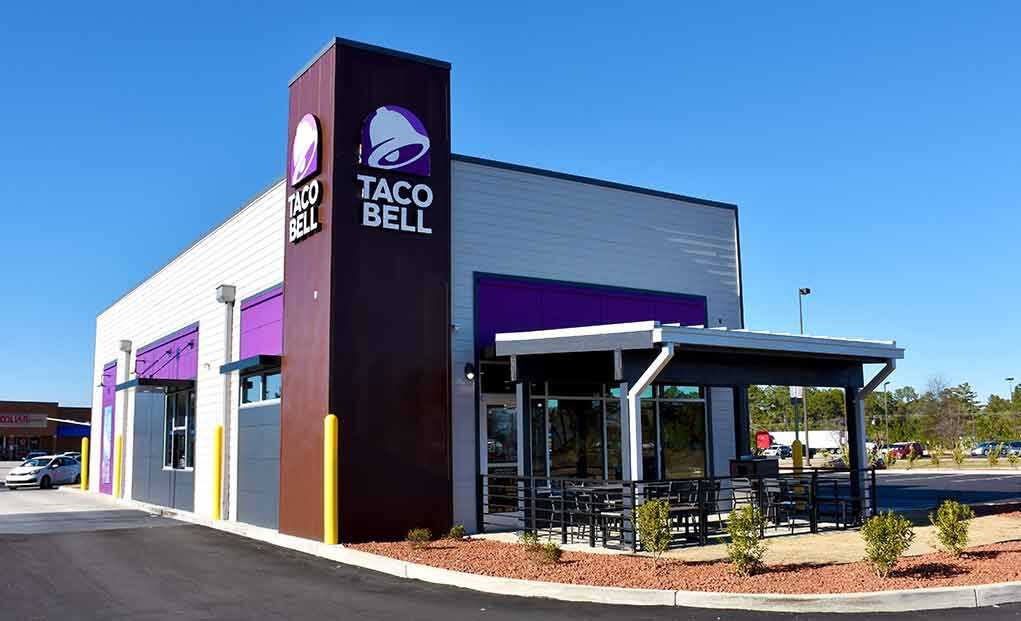
The Food and Drug Administration originally said shredded iceberg lettuce from Taylor Farms de Mexico, a supplier to some Taco Bell locations, had tested positive for Cyclospora, the parasite behind a wave of severe diarrhea cases across several states. The test result instantly pushed Taylor Farms to the center of a national panic, as media outlets repeated that federal officials had identified the company’s lettuce as a source in the outbreak. After a re-review of the lab work, however, FDA officials now say the finding was a false positive caused by bad amplification of genetic material, and they admit there are no confirmed positive product samples for Cyclospora at this time. Taylor Farms said FDA told the company it “made a mistake” and confirmed the result was a false positive.
This sudden reversal leaves a strange gap for families who got sick and for restaurant customers who watched the scare unfold. Federal investigators had said they used traceback tools to follow illness reports back to a “single supplier of iceberg lettuce from Mexico” used at Taco Bell locations where people ate before becoming ill. The supplier was not named in public warnings, but Taylor Fresh Foods acknowledged that FDA testing pointed toward an independent farm tied to its network. Customers saw headlines claiming Taco Bell lettuce was the source of the parasite, and many likely assumed the science was settled. Now, FDA’s correction means there is still no confirmed contaminated batch, yet the agency has not clearly named any alternative source.
How One Test and a Media Blast Can Tarnish a Name
For Taylor Farms, this is not the first time the company has found itself in the crosshairs of high-profile food scares. Federal documents show Taylor Farms was linked to a 2013 Cyclosporiasis outbreak in Iowa and Nebraska, where salad mix was implicated during the investigation. Reporting has also highlighted lawsuits tying Taylor Farms to a 2024 outbreak of deadly E. coli infections connected to lettuce, though the company strongly denied that its products were the source and pointed to extensive testing that found no contamination. That history gave reporters an easy storyline once FDA’s initial Cyclospora test result surfaced: the same supplier, the same type of product, another stomach-turning outbreak.
Yet FDA’s own reversal in this latest case makes clear how fragile that kind of narrative can be when it rests on one lab test. Food safety experts have warned that very sensitive genetic tests can sometimes trigger “presumptive positives” that later fail to confirm. Federal guidance even encourages companies to hold or pull food based on these presumptive results, stressing caution for public health. That may be reasonable from a safety standpoint, but it also means a single flawed test can unleash headlines, social media storms, and consumer fear before the government has solid proof. When the correction finally comes, it rarely gets the same bold print or prime-time coverage as the original accusation.
Big Government Power, Limited Transparency for Citizens
The way this episode unfolded should trouble anyone who cares about limited government and basic fairness. FDA posted a notice highlighting the positive Cyclospora test tied to Taylor Farms’ lettuce, then later removed that notice from its public outbreak updates after discovering the internal error. Officials have not released the detailed lab report, the sample identification number, or the exact testing method behind the false signal. That means independent scientists and watchdogs cannot easily review what went wrong, how the lab caught it, or whether deeper problems exist in the process. For a federal agency with power to tank reputations and move markets in hours, that level of opacity is hard to justify.
Taylor Farms has recalled iceberg lettuce distributed in 27 states, sharply expanding the scope of a cyclospora outbreak initially linked to lettuce served at Taco Bell restaurants in five states. https://t.co/7ZmmdgiphX
— San Francisco Chronicle (@sfchronicle) July 20, 2026
This lack of hard detail also feeds confusion among ordinary Americans who just want to know whether their food is safe. The Centers for Disease Control and Prevention and FDA routinely stress that they work together on outbreak investigations, using patient interviews, lab tests, and traceback data to narrow down likely sources. In past Cyclospora investigations, officials sometimes failed to find any confirmed contaminated samples even after linking illnesses to certain salad mixes. In other words, the science in these cases can be messy, and officials often act on patterns and probabilities rather than slam-dunk evidence. When they then refuse to share key lab data or timelines, it becomes harder for citizens to separate solid facts from bureaucratic spin.
What This Means for Families, Restaurants, and Trust
For families, the bottom line is simple but unsettling. There was a real outbreak of Cyclospora, people suffered miserable illness, and yet the federal government still lacks a confirmed product source, even after briefly pointing the finger at one well-known supplier. Taco Bell has already removed certain lettuce products from many locations as a precaution, and Taylor Farms previously announced a voluntary pullback of iceberg lettuce from central Mexico. Those steps show the private sector often moves faster than regulators to protect customers, even when guilt is not firmly established. But the reputational damage can linger long after the actual risk fades.
For conservatives who value accountable, limited government, this episode is a warning shot. A federal agency with sweeping authority can brand a company as the face of an “explosive diarrhea” outbreak in a single news cycle, then later reverse itself with a few technical lines about “false amplification” and quietly scrub earlier notices. Meanwhile, the same federal system has a record of withholding key details about other serious outbreaks and declining to name implicated firms when it claims confidentiality rules apply. Americans deserve better: clear facts, open data, and a food-safety system that protects public health without trampling due process or common sense.
Sources:
nypost.com, nbcnews.com, devdiscourse.com, fda.gov, instagram.com, facebook.com