

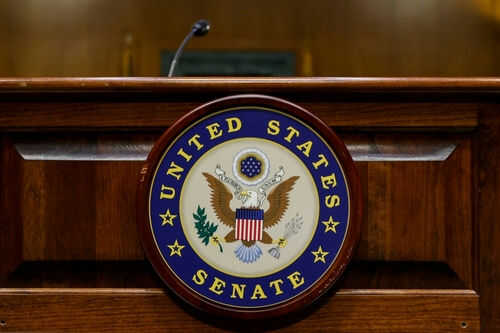
The Democratic Socialists of America released a platform that calls for abolishing the Senate and replacing the presidency and Supreme Court with bodies controlled by Congress.
Story Highlights
- DSA platform seeks to abolish the U.S. Senate and the Electoral College
- Plan would replace the President and Supreme Court with institutions subordinate to Congress
- Coverage across outlets confirms the sweeping government overhaul proposals
- Proposals would require major constitutional amendments and upend checks and balances
DSA Platform Lays Out Structural Overhaul Of The Federal Government
The Democratic Socialists of America published its “Workers Deserve More!” platform with demands to abolish the Senate and the Electoral College. The document also urges replacing the President and the Supreme Court with an executive and a judiciary chosen by and subordinate to Congress. These proposals target the core checks and balances written into the Constitution. The platform’s own language makes clear this is not a tweak, but a full redesign of American governance.
News reporting across outlets described the platform’s call to end the presidency and Supreme Court as we know them. Coverage summarized the document’s thrust as moving power into a single elected legislature that would also control the executive and judiciary. Such a change would eliminate the separation of powers that limits government reach and protects individual rights. The reports match the platform’s text and emphasize the scale of the shift.
What The Proposals Would Mean For Checks, Balances, And States
Ending the Senate would remove the chamber that gives every state an equal voice, regardless of size. Replacing an independent presidency and Supreme Court with bodies subordinate to Congress would concentrate federal power in one branch. America’s founders split power on purpose to prevent abuse. Changing that structure would reduce judicial independence and erase the executive veto, reshaping how laws are made and reviewed.
Moving to a single powerful legislature would also change how states defend their interests in Washington. The Senate blocks rapid swings by forcing broader consent across regions. Abolishing it would tilt decisions toward the most populous areas. That would weaken rural states and the communities that power food, energy, and manufacturing. The Electoral College also balances state and popular interests in presidential elections. Removing it would shift campaigns to a few big cities.
The High Bar For Amending The Constitution
Turning these ideas into law would require constitutional amendments. That process needs supermajorities in Congress and approval by three fourths of the states. Even past DSA writings admit that abolishing the Senate or Electoral College would demand this steep path, which exists to guard the system from sudden rewrites. That hurdle reflects the founders’ warning about concentrated power and factional rule in a large republic.
Analysts who reviewed the new platform describe it as a bid to sweep away core checks and balances. Summaries explain how the document centralizes authority and reduces independent oversight from the courts and the executive. These reviews align with the plain text of the platform and underscore how the proposals would upend long-standing limits on government reach. The combined effect would move the nation away from a constitutional republic model.
Why This Matters To Everyday Americans
Checks and balances protect free speech, gun rights, religious liberty, and due process by preventing one branch from dominating. An independent court can strike laws that violate rights. A separately elected president can veto extreme bills. The Senate can pause radical waves and protect smaller states. Taking away these guardrails would raise the risk of one-party rule and faster swings that hit families, small businesses, and energy producers the hardest.
For conservatives, this platform highlights a clear choice. One path keeps limits on federal power and respects the states. The other path concentrates power in Congress and removes the safeguards that shield citizens from sudden mandates. The Trump administration and constitutional allies in Congress cannot ignore a movement that openly targets the structure that protects liberty. The facts are not in dispute. The debate is whether Americans want to tear down the guardrails that keep government in check.
Sources:
redstate.com, platform.dsausa.org, newsmax.com, washingtontimes.com, jdrucker.com