A major entertainment fight over jokes and “taboos” is exposing just how far speech police want to go in policing what we are allowed to laugh at.
Story Snapshot
- Ricky Gervais is refusing to tone down his comedy, saying offense is part of the job and free speech must come first.
- Advocacy groups and media outlets attack his taboo jokes as “dangerous,” pushing platforms like Netflix to censor content.
- Gervais argues most outrage comes from people confusing what a joke is about with who it is really targeting.
- This battle over comedy fits a wider fight over cancel culture, political correctness, and the future of open debate in Western societies.
Gervais Says Comedy’s Job Is To Tackle Taboos, Not Bow To Censors
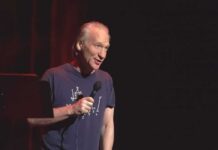
Ricky Gervais has been clear about why he makes edgy jokes. He told a BBC program that comedy should help people get over taboo subjects so they are “not scary any more.” He said he likes to take audiences somewhere new, even for a split second, and that means dealing with hard topics instead of hiding from them. His view is simple: people have always joked about uncomfortable things, and trying to ban that does not make the real world any kinder.
Gervais also stressed that in his specials he takes whatever stance makes a joke funnier, but said those lines do not reflect his true beliefs. He argued that it is “mad” to think joking about something means you are against it. In other words, the bit is a performance, not a policy statement. That is a crucial point for anyone worried about government or corporate censors turning every joke into evidence in a political trial over “wrongthink.”
Offense Is “Taken, Not Given” — And Free Speech Is A “Good System”
When pressed by interviewers and critics, Gervais has rejected calls to soften his act. He has said that offense is taken, not given, and that if someone is not offended, then no offense truly exists. He backed the idea that everyone is allowed to offend and everyone is allowed to be offended, calling that a “good system.” He does not demand that people like his jokes, but he refuses to accept that hurt feelings should decide what is allowed on stage or on streaming platforms.
In a recent BBC exchange, Gervais argued society can tell the difference between a joke and an endorsement. He warned that comedians cannot do their job if they are ruled by fear. He also said he will not apologize for old jokes just because cultural standards changed over time. That stance speaks directly to many Americans who are tired of people being fired or erased over decade-old comments dug up by online mobs, long after the real person has grown or changed.
Subject vs. Target: Who Is The Joke Really About?
One of Gervais’s strongest points is his focus on the difference between a joke’s subject and its target. He told the BBC that most offense comes when people mistake what a joke mentions for what it actually attacks. He says the true targets should never be people for things they cannot help, such as race, sex, or disability. Instead, many of his bits aim at hypocrisy, elite snobbery, and the modern obsession with identity politics. That is a very different aim than simply mocking the vulnerable.
This debate shows up across many modern comedy fights. A recent study noted that British comics like Gervais and Jimmy Carr keep getting hit for using controversial topics as tools in their act, even though the deeper aim is often to challenge power or expose double standards. Philosophers who study humor point out that norm-breaking is built into comedy, and that some risk of discomfort is part of the job. If every norm violation is banned, then sharp satire about government, big media, or cultural fads disappears too — and that should worry anyone who values limited government and open criticism.
GLAAD, Petitions, And The Push To Punish “Dangerous” Jokes
Advocacy groups and major outlets have not been shy about attacking Gervais. After his SuperNature special, LGBTQ media group GLAAD blasted the show as “dangerous” and accused it of spreading anti-trans and anti-gay rhetoric and false claims about HIV. Netflix faced protests and pressure over the special, with critics demanding the platform take action. More recently, a large petition on a public site tried to force Netflix to remove parts of another Gervais special over an ableist slur, showing how organized campaigns aim to punish jokes that cross new speech lines.
Ricky Gervais rejects calls to tone down comedy: 'I don't care if people are offended' https://t.co/nx9ngwNdU6
— Homolander (@HomolanderOnX) July 19, 2026
Gervais’s answer has been to call many online critics “hecklers” and “noise,” saying most of them never saw the full joke in context. He notes he can perform for huge live crowds with almost no complaints, but once clips hit social media, people who were never there rush to take offense. That mirrors what many Americans have watched happen in other cases, from Kevin Hart’s lost hosting gig to everyday workers targeted by viral outrage. The loudest online voices often have more power than the actual paying audience.
Why This Fight Matters Beyond One Comedian
Academic work shows this clash is part of a wider pattern. Many comedians now ask if any topic can be taboo in a free society, while others fear that jokes about certain subjects will be banned altogether. Scholars argue there is a strong case for allowing comics to cross lines and break taboos, because that kind of edgy speech helps test ideas and keep elites from setting all the rules. The United States Supreme Court has long held that most speech, even offensive speech, is protected unless it becomes true threats or incitement. Comedy sits squarely inside that protected zone.
For conservative readers, this fight is not just about laughs. It is about who controls the boundaries of public speech. If advocacy groups, media gatekeepers, and corporate boards can brand a joke “dangerous” and erase it, they can do the same to political views, religious beliefs, or criticism of government power. Gervais is far from a right-wing figure, but his stand for the right to offend lines up with core constitutional values — especially the belief that the best answer to speech you dislike is more speech, not more censorship.
Sources:
facebook.com, bbc.com, latimes.com, telegraph.co.uk, youtube.com, msn.com, radiox.co.uk, theguardian.com, foxnews.com, journals.sagepub.com, abc.net.au, cambridge.org, theedgesusu.co.uk