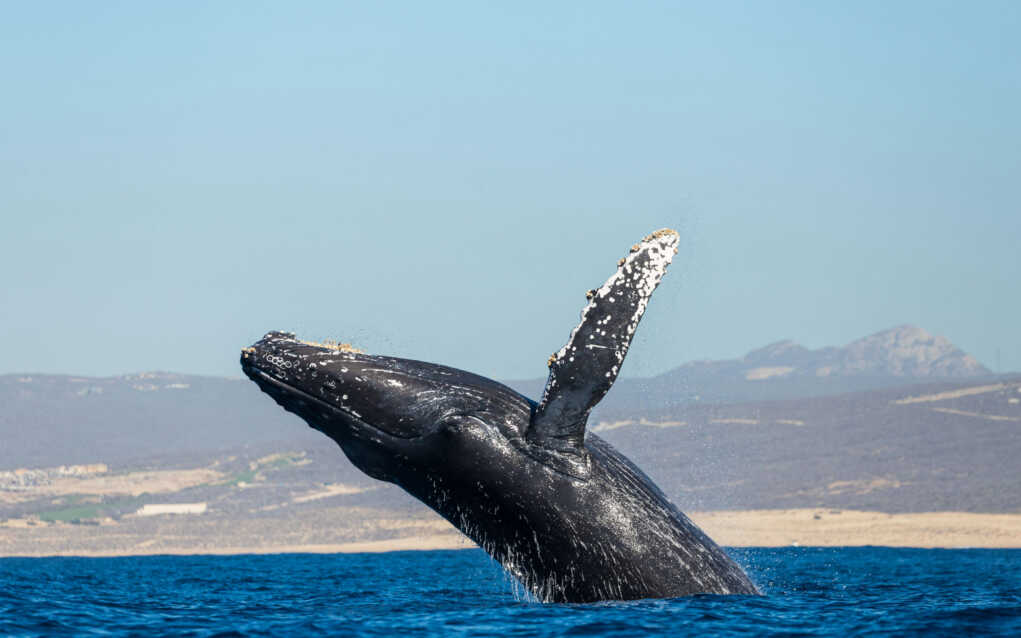
A breaching whale just sank a New Jersey fire rescue boat on July 4, raising serious questions about safety, accountability, and media spin in our busy coastal waters.
Story Snapshot
- A Carteret fire rescue boat was struck and sunk by a surfacing whale near Raritan Bay, but all firefighters survived.
- Officials say the whale hit the stern, causing “catastrophic damage” and flooding within seconds, forcing the crew into the water.
- Rescue depended on nearby private boaters and a jet ski operator, not just government resources, underscoring citizen readiness.
- Despite photos and statements, there is still no independent investigation report, and media coverage largely accepts the official story without deeper scrutiny.
Whale Strike Sinks Fireboat During Holiday Patrol
On July 4, a Carteret Fire Department marine rescue boat was reportedly hit by a breaching whale and sank near the mouth of Raritan Bay. Mayor Dan Reiman said Marine Unit 2 was returning from a regional security patrol in the Port of New York and New Jersey when the whale surfaced under the stern. The impact caused what officials call “catastrophic damage,” and the vessel began taking on water almost immediately. Firefighters had only seconds to abandon ship and ended up in the channel wearing their life jackets.
According to coverage by local outlets, all firefighters were rescued safely and no injuries were reported. Witnesses on a nearby recreational boat described seeing a pod of whales breaching before and after the collision, matching what the rescuers and mayor later shared publicly. Photos posted by the mayor show the fireboat partially submerged, with the stern low in the water after the strike. Officials say the incident happened around 4:30 p.m., at a time when many families were still enjoying July 4 on the water.
Citizen Rescuers Step In Where Government Resources Fell Short
Mayor Reiman and several reports credit a jet ski operator, another private boater, and the Perth Amboy Fire Department marine unit with pulling the firefighters from the water. These good Samaritans moved quickly, reached the crew, and “fished our guys out of the channel,” as the mayor put it. Their actions underline a key truth conservatives know well: in real crises, nearby citizens and local responders, not distant bureaucrats, often make the difference. Personal readiness and neighborly courage mattered more than any federal directive that day.
The township used the event to remind boaters to always wear life jackets, especially during crowded holiday patrols and celebrations. That message is sound, but it also shifts attention away from detailed questions about the strike itself. There is still no publicly released Coast Guard or New Jersey marine safety investigation that explains the exact mechanics of the collision or the state of the vessel before impact. For constitution-minded readers who value transparency, that gap in information should not be brushed aside, even when the outcome is thankfully injury-free.
Media Spin, Missing Evidence, and Why Skeptical Patriots Pay Attention
Major regional outlets like News12, ABC7, and NJ.com all reported the whale strike and repeated the “catastrophic damage” language almost word for word from officials. They highlighted the drama of a whale sinking a fireboat on July 4 and the “miracle” rescue but did not press for hard evidence like a formal incident report number, damage diagrams, or sworn crew statements under full names. Despite the boat operating in a busy harbor at a peak holiday time, no public video of the actual strike or close-up damage has surfaced in these reports.
At the same time, science and policy groups have warned for years that vessel strikes are a serious danger to whales, especially from large ships at higher speeds. Small boats under 65 feet have been linked to several whale deaths, but documented cases of smaller craft sinking instantly from a single strike are rare. That makes this event unusual on both sides: a heavily built municipal fireboat goes down fast, and a whale is reportedly killed in a separate Jersey Shore collision the same weekend. Patriots who follow coastal issues know that when something is labeled “rare” and “dramatic,” it deserves calm, careful review, not blind trust.
Safety, Stewardship, and the Need for Honest Answers
Federal and international agencies have promoted speed limits, distance rules, and new technology to cut whale deaths from vessel strikes. They focus mostly on big commercial ships, yet this July 4 case involves a taxpayer-funded rescue boat on a security patrol near busy shipping lanes. Under President Trump’s second term, conservatives expect any federal rule or speed zone to be based on clear data, not emotional headlines. That expectation also applies to explaining this incident: was Marine Unit 2 operating at safe speed, and were crews fully aware of whale activity in the area?
The good news is that every firefighter went home safe to their families, thanks to life jackets and fast help from nearby citizens. But open questions remain about how a single breaching whale could reportedly cause such rapid, total failure to a public safety vessel without a thorough, transparent record. For readers who value limited government yet strong local preparedness, this story is a reminder to demand honest reporting, solid investigations, and better training for coastal patrols—before the next “rare” incident risks lives or becomes an excuse for new one-size-fits-all federal rules.
Sources:
nypost.com, dailyvoice.com, longisland.news12.com, abc7ny.com, facebook.com, newjersey.news12.com, nbcnews.com, frontiersin.org, repository.library.noaa.gov