
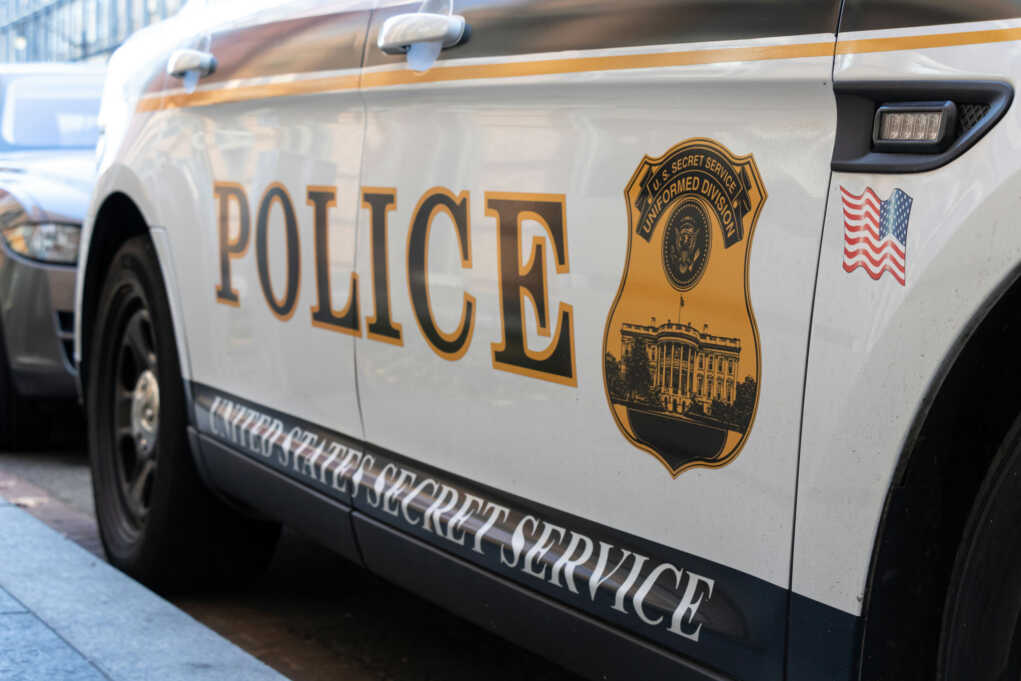
A new report says a Secret Service agent was Googling the very rooftop where Trump’s shooter stood as shots rang out in Butler, Pennsylvania, raising fresh questions about what federal protection was doing in those final seconds.
Story Snapshot
- New documents say a Secret Service member searched the rooftop location online as the attack unfolded.
- Local police had flagged a “suspicious male” and shared warnings over the radio well before the gunfire.
- Only a tiny fraction of an estimated 75,000 FBI records on the Butler attack have been released.
- FBI leaders are attacking watchdog claims as “clickbait,” while still keeping key facts under wraps.
Early Warnings About a Suspicious Man
Three local officers first noticed Thomas Crooks around 5:00 p.m., more than an hour before the attack at Trump’s Butler rally. Each officer, acting independently, thought his behavior looked suspicious based on their own experience. Their concerns were not vague rumors. A new batch of FBI witness interview notes shows police were already talking over the radio about an “unknown male acting suspiciously” before any shots were fired. Operators shared details about this man back and forth, including with command staff, the Secret Service, and state police, trying to figure out who he was.
One redacted officer later told investigators that this unknown male turned out to be the shooter. That matches the congressional task force report, which confirms Crooks was on law enforcement radar before he pulled the trigger. Over roughly thirteen minutes, from 5:38 to 5:51 p.m., a series of calls and messages about Crooks’ description and movements reached the Secret Service. So long before the rooftop shots, federal protection had been warned there was a problem figure in the crowd. For many conservatives, that raises a basic question: why was this threat not stopped in time?
Secret Service Search As Shots Rang Out
The most alarming new detail involves a Secret Service agent apparently searching online for the very rooftop where Crooks was positioned as the attack began. According to the documents described in local reporting, a Department of Homeland Security review notes that an agent was Googling the location of the roof during the critical moments when gunfire broke out. This suggests federal protection did not have a clear, mapped-out understanding of nearby high ground, even as they sheltered a former president at a campaign rally. For a country that spends billions on homeland security, that is troubling.
The congressional task force report already found serious problems with communications and equipment on the ground. Some Secret Service and Pennsylvania State Police users saw their radio systems malfunction that day. Several officers and agents also reported issues with their cell phones. Only one Secret Service agent later testified to hearing any radio traffic about Crooks before the instant right before shots were fired. When we combine those failures with an agent reportedly searching the roof location online at the last second, the picture looks like a system that was slow, confused, and unprepared to guard a high-value target.
Gray Remote Device, Emails, and Heavy Redactions
Judicial Watch, a watchdog group, won access to 48 heavily redacted FBI pages through a lawsuit under the Freedom of Information Act. Those pages refer to a “gray remote device” with buttons and an antenna that a SWAT officer pulled from Crooks’ pocket after he was shot. The FBI has not publicly released detailed forensic findings about that device or explained exactly what it did. Many pages in the release are blacked out, including sections on communications, toxicology samples, and online activity. The group says the bureau is sitting on about 75,000 pages tied to the case, while only a few dozen have trickled out.
Judicial Watch did walk back one early claim. At first, it said redacted emails showed Crooks contacted a Butler County deputy before the attack. After further review and FBI clarification, the group admitted the emails were actually between Crooks and college instructors about coursework. The Butler County sheriff strongly denied any contact between his deputy and Crooks and called the report “completely false.” FBI officials have also pushed back, blasting the earlier email story as “clickbait” and “false.” Even so, the bureau has kept the full content, dates, and times of many emails and records hidden behind redactions.
FBI Narrative Versus Watchdog Demands
In a private meeting with Trump, FBI agents said they had accessed three foreign email accounts used by Crooks and found no sign anyone else helped plan the attack. They also told him that law enforcement first noticed a person on the roof about three minutes before Crooks opened fire and only recognized he had a gun about thirty seconds before the shots. The FBI says agents confirmed Crooks had researched explosive materials like nitromethane but did not use explosives during the shooting. Publicly, the FBI Rapid Response team has insisted they never claimed Crooks had “no online footprint,” countering popular talk-show claims.
[1/7] 🗂️ The FBI has 75,000+ records on Thomas Crooks. They are releasing them at a few dozen pages per MONTH under a Judicial Watch lawsuit. Why is a "lone gunman" file the size of a Rockefeller archive — and why would anyone hide it this slowly? 🧵
— The Mel K Show (@MelKShow) June 27, 2026
On the other side, Judicial Watch and skeptical lawmakers argue that the FBI’s massive redactions and slow release feed distrust. Only a sliver of the files is public, and crucial topics such as full toxicology results, social media posts, and the gray remote device remain murky. A congressionally led task force has already documented major security lapses, including missed warning signs and broken radios, yet key first-hand accounts from SWAT officers and emergency responders are still shielded from view. For many conservatives, this looks like an old pattern: federal agencies defending their image instead of opening their records.
What Conservatives Are Watching For Next
For readers who care about the Constitution, the right to self-defense, and honest government, the stakes are clear. A sitting president survived an assassination attempt on American soil. Local cops saw the shooter acting strange. Warnings reached the Secret Service more than ten minutes before the attack. Yet one of the nation’s elite protection teams appeared to be Googling rooftop locations as bullets flew. That is not the standard of duty Americans expect from the federal government charged with guarding their leaders.
More document releases are likely in the months ahead, whether through court orders, congressional pressure, or new Trump administration directives that echo past transparency moves on older assassination files. Until we see unredacted reports on the gray remote device, complete toxicology records, and full testimony from officers on the ground, many unanswered questions will remain. The Butler attack is not just about one shooter. It is a test of whether Americans can still force powerful agencies to tell the truth when lives and liberty are on the line.
Sources:
judicialwatch.org, hindustantimes.com, butlereagle.com, x.com, reddit.com, fallon.house.gov, yahoo.com, facebook.com, newsweek.com, abcnews.com, pbs.org, abc13.com