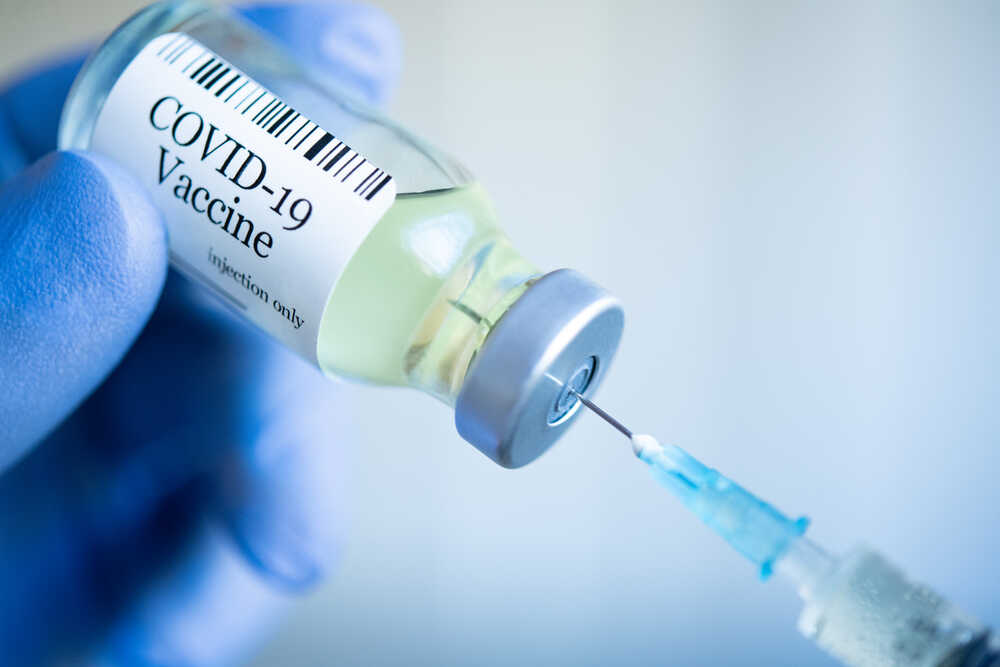
What happens when a plastic surgeon, a box of COVID-19 vaccines, and a federal indictment walk into a courtroom, and only the surgeon walks out smiling?
At a Glance
- Federal charges against Dr. Michael Kirk Moore for vaccine card fraud were dropped after two years of legal drama.
- Political and activist intervention, including high-profile names, played a decisive role in the dismissal.
- The case has reignited fierce debate over medical ethics, patient autonomy, and public health enforcement in America.
- The legal outcome is expected to reshape future policy and embolden medical freedom activists.
The Great COVID Card Caper: How a Plastic Surgeon Became a Medical Freedom Icon
January 2023, Utah—Dr. Michael Kirk Moore, a plastic surgeon with a penchant for controversy, was indicted alongside three co-defendants for allegedly taking COVID-19 vaccine vials supplied by the government and giving patients saline shots instead. The cherry on top? Issuing fraudulent vaccination cards to those who wanted to dodge vaccine mandates—minors included. In a plot twist worthy of daytime TV, Moore didn’t deny his actions. He argued he was simply honoring his patients’ wishes, practicing “full informed consent,” and, as he saw it, upholding Hippocratic independence in the face of sweeping government mandates.
🚨 JUST IN: Attorney General Pam Bondi just dropped all charges against Dr. Kirk Moore.
Dr. Moore, a Utah physician, was accused of destroying thousands of mRNA vials and issuing fake vax cards.
“Dr. Moore gave his patients a choice when the federal government REFUSED TO DO… pic.twitter.com/115QzPLPAa
— Hank™ (@HANKonX) July 12, 2025
As legal proceedings dragged through 2023 and 2024, the case became a magnet for media attention and activist fervor. Public rallies, Twitter storms, and cable news debates painted Moore as either a principled hero or a dangerous fraudster, depending on which side of the COVID-19 divide you stood. The “White Coat Summit”—a raucous annual gathering of medical freedom advocates—seized on Moore’s plight as Exhibit A in their crusade against “government overreach.” When HHS Secretary Robert F. Kennedy Jr. publicly declared Moore “deserves a medal for his courage and his commitment to healing,” the line between courtroom and campaign rally blurred entirely.
Watch; DOJ dismisses charges against Utah doctor indicted in fake COVID-19 vaccine card scheme
Political Power Plays: When Prosecutors Meet Politicians
By spring 2025, the case had escalated beyond medical ethics into the full-contact sport of American politics. Representative Marjorie Taylor Greene, never one to miss a headline, lobbied Attorney General Pam Bondi to intervene. Bondi, wielding prosecutorial discretion like a gavel made of lightning, announced in July 2025 that all charges against Moore were dismissed. Her rationale? Patient choice, lack of demonstrable harm, and, some say, a hefty dose of political calculus. Bondi’s statement, “Dr. Moore gave his patients a choice when the federal government refused to do so. He did not deserve the years in prison he was facing. It ends today,” ricocheted through news feeds and activist channels alike.
Moore, now free from federal prosecution, wasted no time stepping into the spotlight. On the fifth anniversary of the White Coat Summit, he addressed supporters on the steps of the Supreme Court, heralded as a symbol of medical autonomy. The fate of his co-defendants remained less clear, as official statements danced around their legal status. Meanwhile, the Plastic Surgery Institute of Utah, once ground zero for this legal drama, became the poster child for the emboldened medical freedom movement.