Pro-life leaders are publicly declaring that President Trump himself has become the primary obstacle to restricting abortion pills, marking an unprecedented fracture between the administration and its most loyal base.
Story Snapshot
- SBA Pro-Life America president calls Trump administration’s inaction a “five-alarm crisis” threatening GOP voter turnout
- Pro-life groups demand immediate firing of FDA Commissioner Marty Makary over mail-order abortion pill policies
- Mail-order mifepristone continues flowing into states with abortion bans, with 90,000 chemical abortions occurring annually in protective states
- Supreme Court temporarily lifted lower court ban on mail-order abortion drugs, reinstating Biden-era access rules
Pro-Life Movement Declares Administration Failure
Marjorie Dannenfelser, president of Susan B. Anthony Pro-Life America, issued a scathing statement in May 2026 targeting the Trump administration for maintaining Biden-era policies that allow abortion pills to be shipped directly to women’s homes. The organization, which commands influence over more than one million pro-life voters, warned that the administration’s failure to act threatens to depress turnout among approximately one-third of Republican primary voters. Dannenfelser specifically called for the immediate termination of FDA Commissioner Marty Makary, citing a Wall Street Journal report in which Makary allegedly expressed indifference toward safety regulations governing mifepristone distribution.
Mail-Order Loophole Undermines State Protections
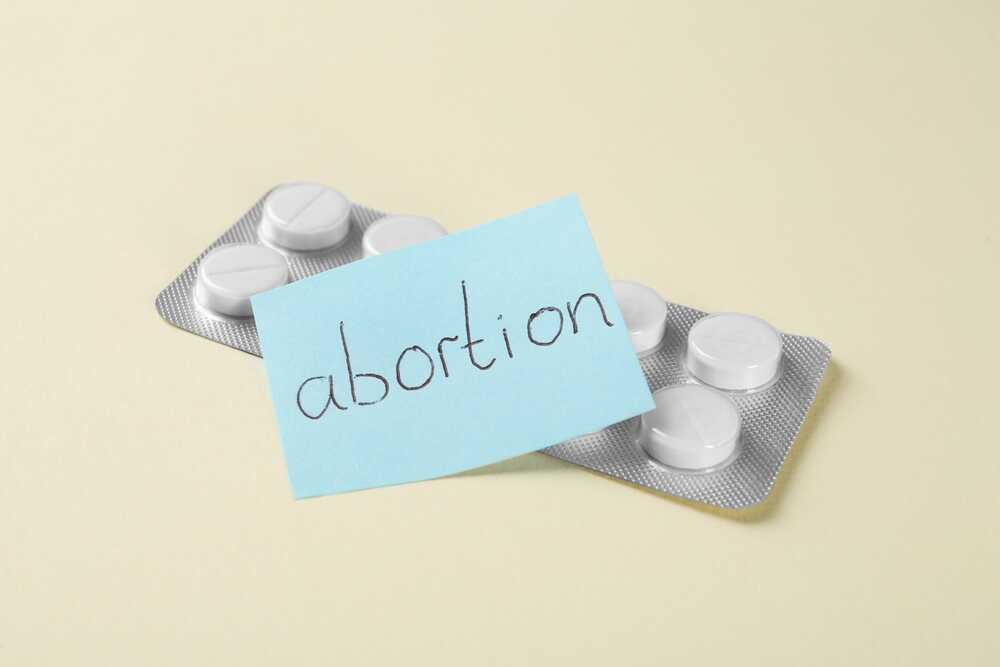
The controversy centers on FDA rules implemented during the Biden administration that eliminated in-person dispensing requirements for mifepristone, the primary drug used in medication abortions. These regulations, which the Trump administration has left intact, enable women in states with abortion bans to obtain the pills through telemedicine consultations and mail delivery. According to SBA Pro-Life America, this regulatory framework has resulted in approximately 1.1 million chemical abortions annually nationwide, including 90,000 in states that have enacted protective legislation. The arrangement effectively nullifies state-level restrictions achieved after the Supreme Court’s Dobbs decision overturned Roe v. Wade in 2022, raising fundamental questions about federalism and the limits of state sovereignty.
Supreme Court Reinforces Federal Authority
The conflict escalated when a lower court temporarily paused mail-order shipments of abortion pills in early 2026, only to have the Supreme Court swiftly lift that ban and reinstate federal access rules. This judicial intervention demonstrated the practical constraints facing pro-life activists who seek to restrict abortion through state-level action alone. The high court had previously upheld mifepristone access in FDA v. Alliance for Hippocratic Medicine in June 2024, rejecting challenges based on safety concerns and complicity arguments. Chemical abortions now account for approximately 63 percent of all abortions nationwide, a proportion that has increased substantially since the Dobbs decision shifted abortion policy to individual states.
GOP Base Confronts Administrative State Reality
Pro-life organizations are urging the Department of Justice to enforce the dormant Comstock Act, a 19th-century law prohibiting the mailing of abortion-related materials, as an alternative path to restricting access. Students for Life president Kristan Hawkins characterized the administration’s position as “moral insanity” and joined calls for aggressive federal action. The standoff illustrates a broader frustration among conservative voters who believed that electing Republican leadership would translate into substantive policy changes, only to encounter the administrative state’s resistance to reversing established regulations. This dynamic reinforces the perception that unelected bureaucrats and federal judges wield more practical authority than the officials Americans actually vote for, undermining confidence in democratic accountability and self-governance.
Electoral Consequences Loom for Republican Coalition
The timing of this confrontation carries significant political risk as the 2026 midterm elections approach. SBA Pro-Life America’s warning about depressed voter morale reflects genuine concern that core Republican supporters may conclude their votes achieve nothing when policies they oppose continue unchanged under friendly administrations. The organization’s influence in Republican primaries gives weight to these threats, potentially affecting candidate selection and general election outcomes. Meanwhile, the Trump administration faces the difficult task of balancing its pro-life base against judicial constraints and the practical realities of federal regulatory authority. This tension exposes a fundamental challenge for conservatives who must navigate between campaign promises and the entrenched power structures that resist change regardless of election results.
Sources:
SBA Pro-Life America Intensifies Call to Fire Makary
Supreme Court Temporarily Lifts Ban on Mail-Order Abortion Drugs