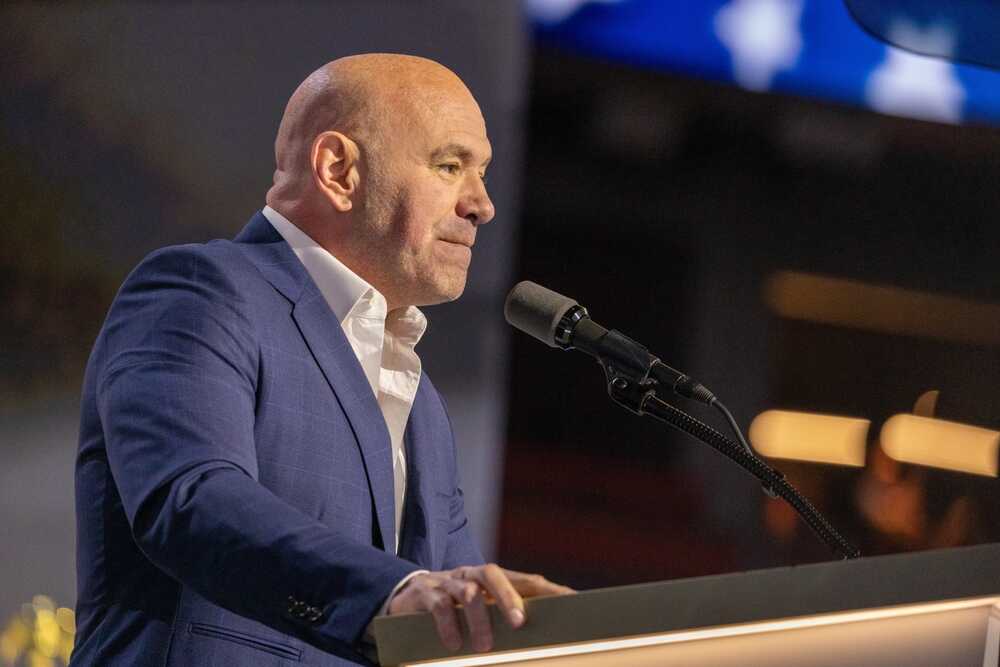
Dana White’s blunt rejection of “toxic masculinity” didn’t just spark a culture-war pile-on—it exposed how quickly modern institutions treat ordinary male drive as a defect that needs to be managed.
Quick Take
- Dana White used a national TV interview to argue the UFC’s “unapologetically masculine” appeal offers young men structure, discipline, and a safer outlet for aggression.
- Critics attacked White’s comments as “MAGA” coded, but the debate highlighted a larger concern: public culture often frames masculinity itself as inherently suspect.
- Available research suggests the “society is failing young men” framing is largely inferred from White’s broader comments, not a direct quote—so claims should be treated carefully.
- The backlash fits a wider political pattern where elites argue over language while measurable problems for boys and young men—education, purpose, and mental health—continue to worsen.
What Dana White Actually Said—and Why It Landed
Dana White’s comments gained national attention after a televised interview focused on whether the UFC promotes “toxic masculinity.” White rejected the concept and described the UFC as “unapologetically masculine,” arguing that many young men need a structured environment to channel energy and aggression. The resulting clips spread widely, turning a sports-business interview into a referendum on broader cultural messaging about men, responsibility, and acceptable behavior in public life.
The most important factual limitation is also the most revealing: the headline claim that White said “society is failing young men” is best understood as a synthesized interpretation of his remarks, not a clean, directly quoted line. That matters because public trust collapses when arguments are built on paraphrase. Even so, the substance of the dispute is real—whether mainstream institutions pathologize normal male traits rather than shaping them through accountability, work, and discipline.
The Backlash Shows How Fast the Debate Becomes Political
Reaction followed a familiar script. Conservative commentators framed White’s position as pushback against a post-2010s cultural trend that treats traditional masculinity as a social danger. Left-leaning critics, including social-media personalities, portrayed the rhetoric as “alpha male” politics and a cover for discriminatory attitudes. In practice, this turns a legitimate question—how to help boys become stable men—into a tribal loyalty test, where nuance is punished and outrage is rewarded.
The political overlay also reflects today’s governing climate. With Republicans controlling Washington in 2026 and Democrats focused on obstruction, cultural flashpoints become proxies for power struggles that neither party fully resolves. White’s prominence as a Trump-world celebrity and business leader adds fuel to the fire, making it harder for institutions to discuss men’s problems in nonpartisan terms. The result is a stalemate: real social indicators worsen while leadership debates labels and optics.
Why the “Young Men” Question Won’t Go Away
The underlying reason this story persists is that many families see the issue firsthand. Research referenced in the provided material points to alarming trends for boys and young men, including education gaps and mental-health pressures, alongside a broader sense of drifting purpose. White’s argument—combat sports can channel aggression into discipline—fits a long-standing idea in American life: structure, rules, and consequences can turn raw energy into character, not chaos.
UFC as a Cultural Symbol—And a Risk for Both Sides
The UFC’s growth into a dominant brand among young men makes it more than entertainment; it becomes a cultural symbol. Supporters see a rules-based outlet that rewards preparation, self-control, and resilience—values conservatives typically associate with personal responsibility and earned success. Critics see the same platform and worry it normalizes violence or reinforces stereotypes. Both perspectives contain a real concern, but the public argument often slides into caricature rather than measurable outcomes.
Dana White Says Society Is Failing Young Men, and the Backlash Proves His Pointhttps://t.co/slsqnRTejM
— PJ Media (@PJMedia_com) May 7, 2026
What’s missing in the loudest versions of this debate is a practical middle ground: society can reject cruelty and abuse while still acknowledging that masculinity is not a disease. When institutions treat boys’ competitiveness and risk-taking as inherently “toxic,” they shouldn’t be surprised if many check out, retreat into screens, or seek identity in harsher online subcultures. The White controversy is less about one CEO and more about whether America can still form strong men without apologizing for it.
Sources:
UFC CEO Dana White mocks idea of ‘toxic masculinity’ on ’60 Minutes’
UFC’s White House event draws backlash over weak card and political undertones