A high-profile meeting at the White House marks a potential shift in U.S.-Pakistan relations, raising questions about the implications for regional stability and American interests.
Story Snapshot
- President Trump hosted Pakistan’s Prime Minister and Army Chief in a closed-door meeting.
- The visit signals a potential reset in U.S.-Pakistan relations amid regional instability.
- No official U.S. visuals or statements, fueling speculation about the meeting’s agenda.
- Trump praised Pakistani leaders, highlighting the significance of the discussions.
Historic Meeting at the White House
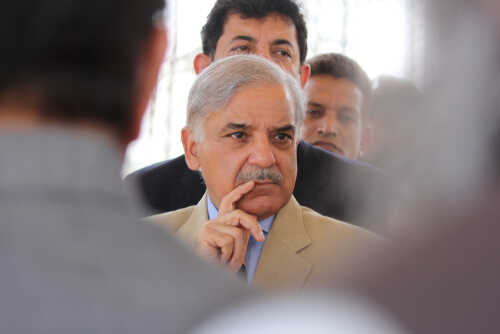
On September 27, 2025, President Donald Trump welcomed Pakistan’s Prime Minister Shehbaz Sharif and Army Chief General Asim Munir to the White House. This marked the first visit by a Pakistani leader since 2019, underscoring a potential recalibration of U.S.-Pakistan relations. The meeting was notably secretive, with no press access or official U.S. visuals, leading to widespread speculation about the discussions, which reportedly focused on security and economic cooperation.
Watch: Donald Trump News | Trump Meets Pakistan PM Shehbaz Sharif In Latest Sign Of Warming Ties
Implications for U.S.-Pakistan Relations
The meeting takes place amid significant geopolitical shifts, with U.S.-Pakistan relations historically oscillating between cooperation and distrust. The backdrop includes strained U.S.-India relations and rising terrorism threats from Afghanistan. Pakistan’s internal challenges, such as political instability and economic crises, have increased its need for international support, making this engagement with the U.S. particularly crucial.
General Munir’s role in the discussions highlights Pakistan’s civil-military dynamic, with the Army Chief being a key power broker in Islamabad. Trump’s direct engagement with both Sharif and Munir suggests a nuanced approach recognizing Pakistan’s dual power centers, essential for any meaningful diplomatic reset.
Potential Outcomes and Future Prospects
While the specific outcomes of the meeting remain undisclosed, the dialogue could lead to renewed security cooperation and economic agreements beneficial to both nations. The U.S. has shown interest in Pakistan’s rare earth minerals and energy resources, which could pave the way for future investment and collaboration. However, the secrecy surrounding the meeting leaves many questions unanswered, with potential implications for regional alignments and the U.S.-India-Pakistan triangle.
As the international community watches closely, the meeting’s long-term impact on diplomatic relations and regional stability will depend on the transparency and implementation of any agreements reached. For now, the engagement signifies a diplomatic reset that could influence U.S. foreign policy in South Asia.
Sources: