A fresh round of narco-politics accusations is threatening to blow up security cooperation on America’s southern flank just as Washington tries to keep pressure on cartel networks.
Quick Take
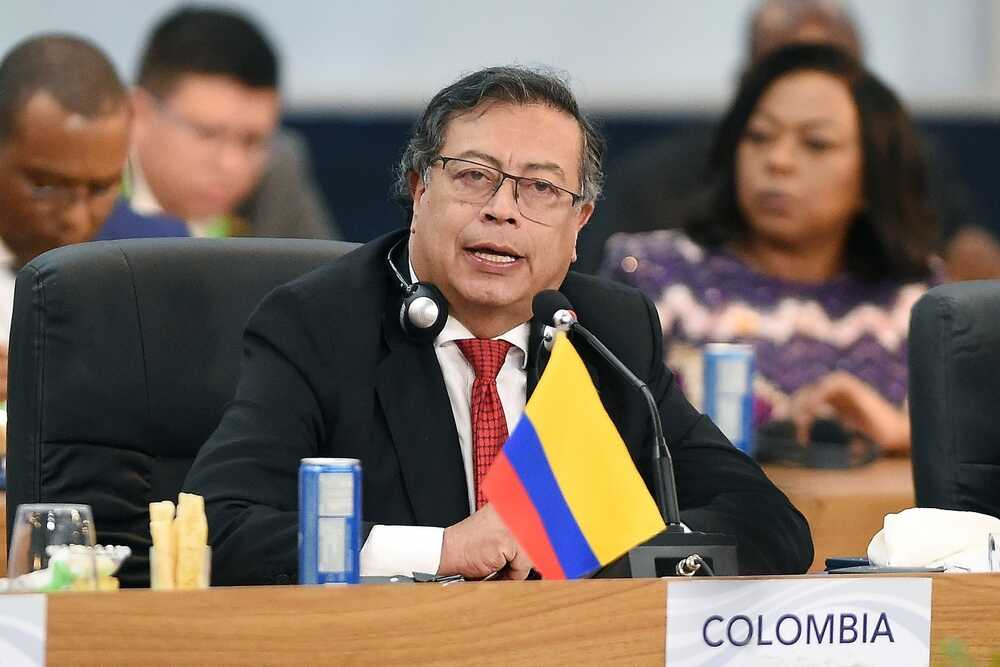
- Colombian President Gustavo Petro says he will pursue legal action after Ecuador’s President Daniel Noboa suggested links between Petro’s circle and gang boss “Fito.”
- Noboa’s allegation centers on Petro’s 2023 visit to Ecuador and alleged meetings with members of the Citizen Revolution movement tied to people around Fito—not confirmed direct contact.
- Petro flatly denies knowing Fito and points to Colombia’s arrests of Ecuadorian criminals as evidence his government is combating cross-border crime.
- Fito’s escape, recapture, and extradition to the U.S. have turned a domestic Ecuador crisis into a regional political flashpoint with U.S. overtones.
What Noboa Alleged—and What He Did Not Claim to Prove
Ecuadorian President Daniel Noboa escalated a simmering dispute with Colombia by alleging that Petro, during a 2023 trip to Ecuador, met with figures from the Citizen Revolution political movement whom Noboa links to people connected to José Adolfo Macías Villamar, “Fito,” leader of the Los Choneros gang. Reporting around the claim indicates Noboa did not present proof that Petro personally met Fito, making the accusation politically explosive but evidentiary thin.
The distinction matters because it shapes what can be verified. Noboa’s framing implies proximity: if political allies of Citizen Revolution overlapped with individuals tied to a major trafficking organization, that would raise questions about vetting and influence. But without documentation of direct contact, the story remains a clash of narratives between two presidents with competing incentives—one selling a hardline anti-gang agenda, the other defending his legitimacy at home and abroad.
Petro’s Response: Denial, Lawsuit Threat, and a Wider Conspiracy Claim
Colombian President Gustavo Petro answered the allegation publicly by rejecting any connection to Fito and asserting he does not know Fito “or his friends.” Petro also said he intends to pursue legal action, portraying the accusation as slander rather than a good-faith security concern. In the same response cycle, Petro alleged a broader scheme involving Ecuador and U.S. actors, arguing that recordings or claims were being shaped to implicate him.
Those conspiracy claims are difficult to validate from the available reporting. What is clear is that Petro is treating the allegation as both a reputational threat and a diplomatic attack, not simply an intelligence question. For observers who worry about “deep state” style maneuvering, this is the kind of dispute that fuels suspicion on all sides: leaders invoking law enforcement, foreign partners, and media leaks to win political battles, while ordinary citizens are left guessing what is real.
Why “Fito” Turns a Bilateral Spat Into a Regional Security Issue
Fito is not a symbolic figure in Ecuador; he is tied to a wave of violence that intensified after his escape from a Guayaquil prison in early 2024. His recapture in 2025 and extradition to the United States for trial in New York turned him into an international case with high stakes. When a gang boss becomes a U.S. court matter, every allegation about political protection or prior contact becomes more consequential.
Cross-border crime links Colombia and Ecuador whether their presidents get along or not. Petro’s side has highlighted Colombian arrests of Ecuadorian criminals, while Noboa has pushed a message that Ecuador is at war with organized crime and cannot tolerate political movements allegedly entangled with traffickers. If the two governments stop sharing intelligence or coordinating border enforcement because of political accusations, the practical winner is the criminal network that moves people, drugs, and weapons across porous terrain.
What This Says About Governance, Trust, and the U.S. Role
The larger pattern mirrors what many Americans see at home: institutions struggling to earn public trust while political leaders accuse each other of corruption or complicity. Noboa’s claims, even if partially unproven, tap public anger at elites who seem insulated from the consequences of crime. Petro’s counterclaims tap a different anger—fear that powerful actors can manufacture allegations to sideline opponents—especially when U.S. involvement is mentioned.
Colombian President Petro vows a lawsuit after Ecuador's Noboa alleges ties to gang boss 'Fito' @WashTimes https://t.co/3OF4blzfrp
— Washington Times Local (@WashTimesLocal) April 19, 2026
From a conservative, limited-government perspective, the warning sign is not merely who is telling the truth; it is how easily governance becomes performative when security crises are severe. When presidents litigate disputes through media interviews, social platforms, and threats of lawsuits, accountability can get replaced by theater. The research available here does not establish Petro-Fito ties, but it does show a fragile region where politics and anti-crime operations can collide fast.
Sources:
Petro rejects Noboa’s accusation linking him to the Ecuadorian drug trafficker Fito
US and Ecuador fabricating drug trafficking charges against Colombia’s president: audio