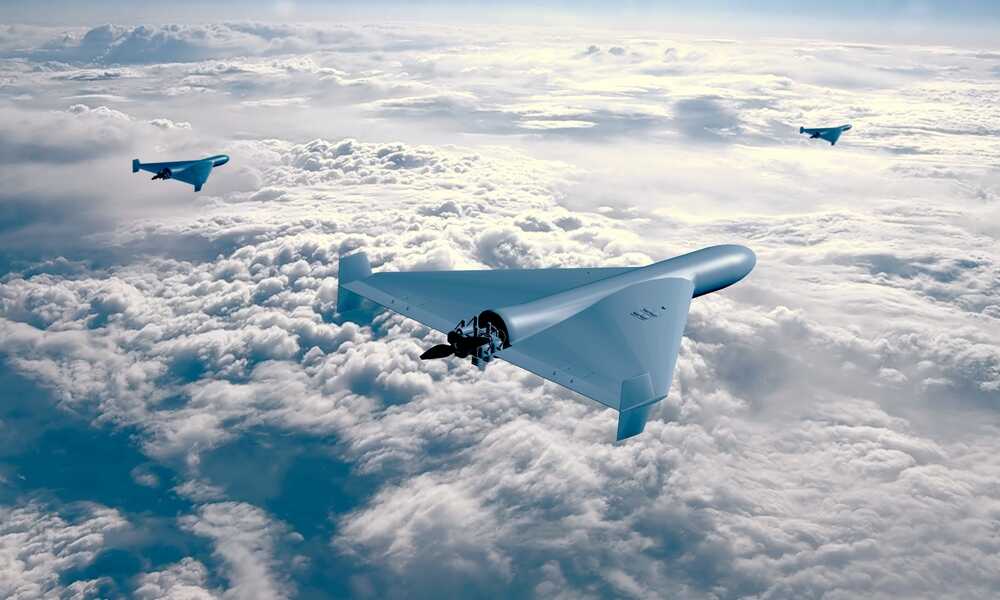
Russia and Iran have forged a dangerous alliance that’s transforming cheap, basic drones into stealthy, intelligent weapons capable of evading American defenses and threatening U.S. forces across the Middle East.
Story Snapshot
- Russia has extensively upgraded Iran’s Shahed-136 drones with radar-absorbing stealth technology, anti-jamming navigation systems, and real-time communications capabilities
- Enhanced drones now carry diverse warheads including anti-personnel bomblets and anti-tank mines, making them far more destructive than original designs
- Russia transfers upgraded technology back to Iran, enabling Tehran to arm proxy forces like Hezbollah and the Houthis with advanced weapons
- The partnership circumvents Western sanctions through covert gold-transfer networks while mass-producing hundreds of drones daily
Russia Transforms Iranian Design Into Advanced Weapon
Russia has systematically enhanced Iran’s Shahed-136 drone since licensing its production after the 2022 Ukraine invasion. The upgrades transform what was essentially a flying bomb into a sophisticated weapon system. Russia applied black radar-absorbing paint that cuts detection range in half, installed Kometa anti-jamming satellite navigation, and added CRPA antennas to resist electronic warfare. The drones now feature thermal countermeasures and two-way communications via cellular SIMs or potentially Starlink, allowing real-time rerouting. These modifications address the original Shahed’s vulnerability, making upgraded versions significantly harder to intercept.
Deadly Warhead Diversity Maximizes Damage
Russia has moved beyond the Shahed’s standard 100-pound explosive warhead to develop specialized munitions that increase lethality. New variants carry anti-personnel bomblets that spray shrapnel across wide areas, anti-tank mines capable of destroying armored vehicles, and fragmentation warheads optimized for striking buildings and air bases. David Kirichenko of the Henry Jackson Society notes these upgrades prioritize maximizing damage from drones that penetrate defenses, rather than relying solely on overwhelming numbers. Ukrainian Air Force spokesperson Yurii Ihnat confirmed the stealth paint reduces warning time for defenders, giving personnel fewer precious seconds to reach shelter before impact.
Sanctions-Evading Partnership Threatens American Interests
The Russia-Iran drone collaboration operates through covert financial networks that bypass Western sanctions, with reports documenting gold-transfer schemes funding the partnership. Russia produces hundreds of upgraded Shaheds daily at facilities in Tatarstan, using combat feedback from Ukraine to refine designs rapidly. Iran receives this advanced technology and hardware in return, creating a bidirectional knowledge transfer that strengthens both nations’ capabilities. The March 2026 attack on a British air base in Cyprus using Kometa-equipped Shaheds demonstrates the real-world threat. Kirichenko warns these upgraded drones pose particular danger in the Gulf region, where they could target U.S. military installations and allied infrastructure.
Proxies Gain Access to Enhanced Capabilities
Iran’s established practice of arming regional proxies means Russian upgrades will proliferate to groups like Hezbollah and the Houthis. These Iranian-backed forces have already employed basic Shahed drones against shipping and civilian targets across the Middle East. The addition of stealth features, anti-jamming navigation, and diverse warheads dramatically increases the threat level facing American forces and Gulf state partners. The upgrades enable smaller drone swarms to achieve greater effects, as improved penetration rates mean fewer drones need to reach targets. This represents a fundamental shift from quantity-based tactics to quality-enhanced strikes that strain existing defense systems.
The partnership exemplifies how adversarial nations cooperate to undermine American military advantages while evading accountability. Russia gains a proven weapon system it can mass-produce domestically despite sanctions, while Iran acquires cutting-edge enhancements to arm its proxy network. This technological feedback loop between Moscow and Tehran creates an escalating threat that challenges the effectiveness of U.S. air defense investments. The collaboration strengthens the broader Russia-Iran-China axis opposing American interests globally, with drone warfare serving as a testing ground for future conflicts. As these enhanced weapons proliferate across conflict zones, the risks to American personnel and interests multiply accordingly.
Sources:
Russia’s Deadly Drone Industry Upgraded With Iran’s Help, Report Says
Russia Upgrade Iran Shahed Drone Deadly Battlefield Tech