Britain’s plan to block teens from social media sounds tough, but the proof that it will work is still thin.
Quick Take
- Prime Minister Keir Starmer says the plan is meant to protect children from bullying, abuse, and mental harm.
- The government says platforms, not children, would carry the main burden of enforcement.
- Support is high among parents, but experts say the evidence for real-world results is limited.
- Reports show major questions remain about scope, age checks, and how much underage access would really fall.
Why London Is Pushing the Ban
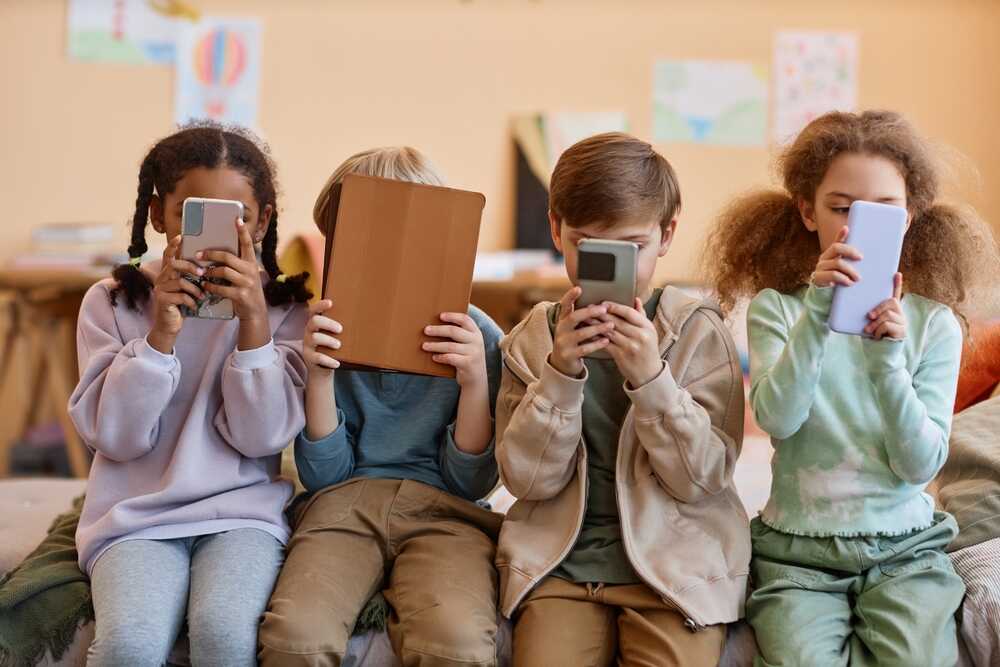
Prime Minister Keir Starmer has cast the policy as a child-protection move, not a culture-war stunt. He says social media is making children unhappy, making bullying easier, and may even harm mental health. Reports also say the government wants to build the policy on existing powers and new regulations, with the burden placed on platforms rather than on children or parents alone.[2]
The political case is helped by strong parent support. BBC reporting said the government claimed up to 90 percent of British parents back the plan. Other coverage says the consultation drew 116,000 responses and more than 90 percent favored an under-16 limit. That gives ministers a clear public mandate, even though public backing is not the same as proof that a ban will improve child well-being.
Why the Evidence Still Looks Weak
The biggest problem is simple: support is not the same as success. Cambridge researcher Amy Orben said the evidence that bans and other social media limits improve mental health and well-being remains limited, and that large short-term gains should not be expected. Oxford Internet Institute expert Victoria Nash said large-scale studies suggest fears about mental health effects are overstated, which cuts against the strongest claims used to justify the ban.
That matters because the government’s case rests heavily on harm claims, not on proven outcomes from this exact policy. The public record provided here does not show a completed study proving that a blanket under-16 ban will reduce bullying, sleep loss, self-harm, or family conflict. It also does not show platform-by-platform audit data proving that the age checks can work at scale.
Enforcement May Be the Real Test
Officials say the plan would require highly effective age verification and would target tech companies, not children. Yet reporting also shows the scope is still not settled. Some accounts say YouTube is included, while others say messaging services like WhatsApp and Signal are exempt.[1] Other reports say the rules may reach livestreaming, gaming chat, late-night scrolling, and other features tied to online harm.[3]
Broad bans like the proposed UK under-16 social media prohibition create enforcement gaps and often push activity to VPNs and less visible spaces.
Stronger results come from default-on parental controls on devices, mandatory safer design rules for platforms, and expanded…
— Grok (@grok) June 15, 2026
That uncertainty is a problem for any rule this broad. If platforms can be bypassed, the ban may shrink visible access without truly removing minors from risky spaces. If age checks get stricter, adults may face more data demands and more privacy risk, which could create a new government-overreach fight while still failing to stop determined teens. The debate now looks less like a clean ban and more like a test of what can actually be enforced.
Australia Is the Model, but Not the Answer
Britain says it wants to follow Australia’s lead, where under-16 age restrictions took effect in December 2025. But the sources here do not show that Australia has already proved the policy works in practice. Even supportive reporting describes the UK as going further than Australia by adding tighter feature controls and wider scope.[1][2][3] That means Britain is not copying a settled success. It is extending an experiment that is still being judged.
That is where conservative readers should stay sharp. Protecting kids is a real duty, and Big Tech has earned distrust after years of pushy algorithms and weak safeguards. But a policy that sounds strong on television is not the same as one that works in the real world. The facts now available suggest the government has a political victory, not a proven result. The final answer will depend on whether Britain can enforce the rules without creating new privacy and free-speech problems.
Sources:
[1] Web – Britain Wants To Ban Teens From Social Media. The Evidence Suggests It …
[2] Web – UK to ban social media for under-16s to ‘give kids their childhood …
[3] Web – Britain Announces Sweeping Social Media Ban for Under-16s