
Two blasts near Emmanuel Macron’s hotel in Damascus raised a blunt question about Syria’s security and the risks of high-profile diplomacy.
Quick Take
- French officials said Macron was safe and kept going with his visit after the explosions.
- The French presidency said he was already inside the Syrian Presidential Palace when the blasts happened.
- Syrian officials said the devices exploded outside Macron’s security perimeter near the Four Seasons Hotel.
- No group has claimed responsibility, so the target and motive remain unconfirmed.
Macron Was Safe, But Damascus Was Not
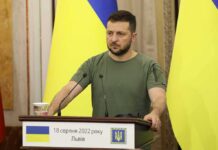
The French presidential palace said Macron was safe after two bombs exploded outside his hotel area in Damascus. French officials also said he continued his visit and was already at the Syrian Presidential Palace meeting with Ahmed al-Sharaa when the blasts hit. That timeline matters because it shows the explosions happened around him, not on him, even as news coverage quickly raised the possibility of an assassination attempt.
Syrian state media said the blasts came from two explosive devices, one in a vehicle and one in a garbage container near the Four Seasons Hotel. The Syrian Ministry of Interior said the explosions happened outside Macron’s designated security perimeter. Officials also said 18 people were injured, including four police officers. Those details point to real violence in the area, but they do not prove Macron himself was the target.
What Officials Said, and What They Did Not Say
Macron’s office said he did not hear the explosions. That is a small but important detail, because it undercuts the idea that he was personally caught in the blast zone. The reported facts still leave a major gap: no group has claimed responsibility, and no public forensic report has tied the devices to a specific attacker. Without that, the case for a direct assassination attempt stays unproven.
That missing claim of responsibility also gives media outlets room to fill in the blanks. CBS News and Al Jazeera both framed the incident as a possible assassination attempt, while Syrian officials stuck to the narrower claim that the blasts occurred outside the security ring. For readers who care about clear facts, the key point is simple: there was an explosion near the French delegation, but the available evidence does not yet prove intent against Macron.
Why the Story Still Matters
The blast comes at a time when Syria remains unstable and public trust in security claims is thin. The injury count shows the event was serious, and the location near a major hotel and government meeting spot makes the security failure look bad no matter who planted the devices. In any country, and especially one with a history of chaos, officials owe the public a full account of how explosives got that close to a foreign head of state.
BREAKING: Explosions rock Damascus as Macron meets Syria’s ex-jihadist President
While Macron was inside the presidential palace meeting Ahmed al-Sharaa — a man who was an al-Qaeda commander with a $10M US bounty just 2 years ago — bombs went off near his hotel. 18 wounded. No… pic.twitter.com/KSmQWz3LkJ
— Himanshi (@Himmanshi01) July 7, 2026
For conservatives, the bigger lesson is that weak borders, weak order, and weak institutions create the kind of environment where political violence can happen fast. The facts here do not justify a rush to judgment, but they do show how dangerous it is when governments cannot clearly secure major public spaces. Until investigators release more proof, the safest conclusion is the narrow one: Macron was safe, but Damascus was not under control.
Sources:
townhall.com, cbsnews.com, cnn.com, ucdavis.edu