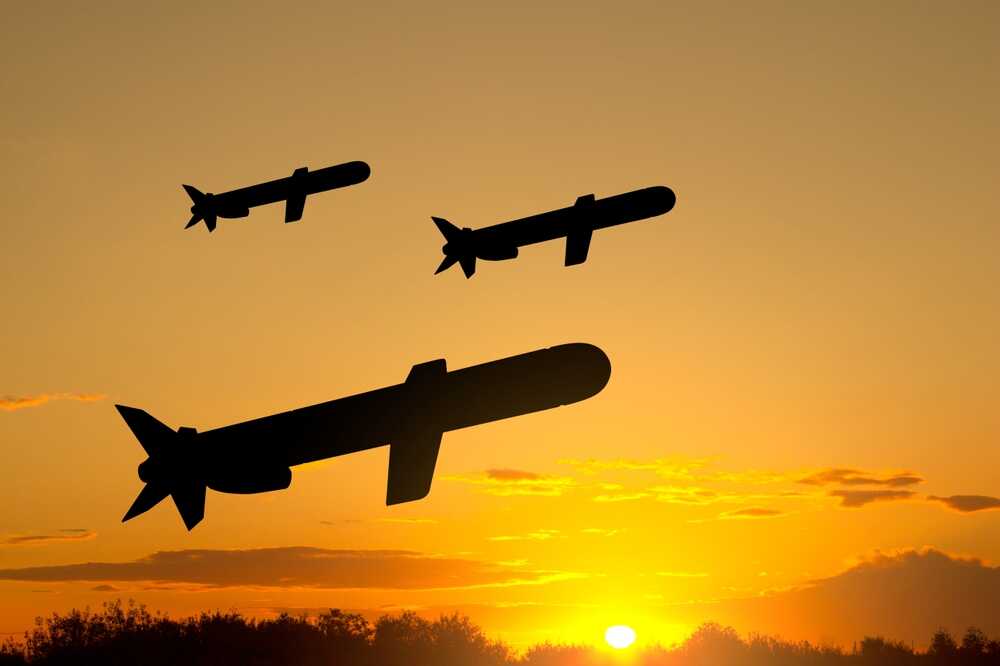
As Iranian missiles screamed toward Kuwait and American bases, Kuwaiti air defenses lit up the night sky and stopped what could have been a mass-casualty strike.
Story Snapshot
- Kuwait’s military reports intercepting hostile missiles and drones targeting the country.
- Officials give conflicting counts, with some reports saying two missiles, others seven, all linked to Iran.
- Sirens and explosions rocked Kuwait City before debris fell over populated areas but officials report no casualties so far.
- The attack is tied to Iran’s Revolutionary Guard hitting United States bases, underscoring a wider war that could pull more Americans into danger.
Kuwait Under Fire As Iran Targets US Bases
Early Sunday before dawn, people in Kuwait City woke to air raid sirens cutting through the dark and explosions echoing across the city. Kuwait’s General Staff posted on X that air defense systems were “intercepting and destroying” hostile threats aimed at the country’s airspace. Local media said sirens sounded twice starting around 3:00 a.m., matching the time the missiles were tracked and engaged. For American readers, this matters because United States bases in Kuwait were among the stated targets of the Iranian strike.
Kuwaiti officials quickly tied the attack to Iran’s Islamic Revolutionary Guard Corps, which publicly bragged about firing missiles and drones at United States military sites in Kuwait and Bahrain. Kuwait’s Armed Forces told reporters that two hostile ballistic missiles were detected and intercepted before impact, and said the attacks caused no damage or casualties. That claim, if it holds, shows how layered air defense, including United States-supplied systems, can prevent Iran from killing American troops and civilians on allied soil.
Conflicting Missile Counts But Clear Defensive Success
While the main Army statement stressed the interception of two ballistic missiles with no injuries, another senior voice painted a more serious picture. Brigadier General Saud Abdulaziz Al-Otaibi, the Defense Ministry spokesperson, said air defense units had intercepted and destroyed seven hostile Iranian ballistic missiles over Kuwait at dawn. He added that while the main warheads were stopped, missile debris fell across populated sectors, which could still cause harm or property damage. This gap between “two” and “seven” missiles raises questions, but both accounts underscore that the threats were stopped in the air.
Foreign and regional outlets repeated the “two missiles” line, citing Kuwait’s initial General Staff post and follow-up comments that no damage or casualties were reported. China-based reports and other regional coverage also described the explosions that residents heard as the sound of successful interceptions, not incoming impacts. That messaging aimed to calm the public and show control. Yet for serious observers, the conflicting missile counts highlight the need for radar logs and debris analysis so Americans can know exactly how many weapons Iran fired and how many were stopped.
Missiles, Drones, And The Wider Iran–US Confrontation
Kuwait’s statement said air defenses were engaging both missiles and drones, describing “hostile missiles and drones” being intercepted over the country. Social media clips shared by regional outlets show bright streaks in the night sky and interceptor missiles arcing upward to meet incoming threats. One video described by Roya News English shows at least two missiles being hit over Kuwait, supporting the basic claim that air defense systems were active and effective. Other footage and posts track similar activity over Bahrain, suggesting a coordinated Iranian strike on Gulf states that host United States forces.
The Islamic Revolutionary Guard Corps (IRGC) announced it launched a coordinated missile and drone operation targeting what it claimed were dozens of US military sites using its"totally obliterated military."
According to Iranian state media, the operation specifically targeted… pic.twitter.com/3AoRdrP7Nq
— Nonna 🌸 (@NonnaBelle1) July 8, 2026
This attack follows a familiar pattern for Iran’s strategy in the Gulf. Tehran uses ballistic missiles and drones to pressure key shipping routes and United States-aligned states, trying to make the region feel unsafe for American troops and for energy markets. Gulf states, helped by United States technology, report interception rates as high as 80 to 90 percent against Iranian weapons in recent campaigns. That performance lines up with the best missile defense results seen in Ukraine, but like past Patriot missile claims in earlier wars, real success rates should be checked against hard data.
Why This Matters For American Patriots At Home
For United States conservatives watching from home, this strike is not some distant skirmish; it is a direct test of American strength and security abroad. Iran’s Revolutionary Guard Corps did not just aim at Kuwait as a country; it clearly said it was hitting United States bases and personnel on Kuwaiti soil. That means our troops, our logistics hubs, and our deterrent power were in the crosshairs. Kuwait’s air defenses, many built around American systems, stood between those missiles and our people.
When Kuwait’s Army reports “no casualties” after such a barrage, it shows what happens when allies invest in real defense instead of climate gimmicks and feel-good globalist projects. Strong missile shields and clear-eyed threat assessments save lives. But the confusion over whether two or seven missiles were intercepted reminds us why Americans must demand honest numbers, transparent radar data, and serious oversight of every defense dollar we send overseas. Good gear is vital, but so is truth, especially when Washington politicians debate war and peace while our troops sit inside the blast radius.
Media Spin And The Risk Of A Bigger War
Some international outlets quickly framed the Kuwait attack as just another flash in a broad “regional war” stretching from Iraq to Lebanon. That narrative can blur the key fact that Iran chose to fire at United States targets in Kuwait, not just at local rivals. When media talk mainly about “escalating Gulf tensions,” they often skip over the hard detail that American bases and infrastructure are now routine bullseyes for Tehran’s missiles. That kind of spin can numb the public and make serious attacks sound like background noise.
For readers who care about the United States Constitution, limited government, and a strong but careful national defense, the lesson is clear. America needs leaders who will secure our borders at home while also giving our troops abroad the tools to stop enemies like Iran cold, without drifting into endless wars driven by Beltway groupthink. Kuwait’s long night of sirens and debris shows both the danger and the promise: Iran is willing to strike, but solid defenses can stop those strikes in mid-air. The question now is whether Washington will stay focused on real threats, or get distracted by woke agendas while missiles fly.
Sources:
youtube.com, nampa.org, instagram.com, facebook.com, reddit.com, iranintl.com