Trump is using hard pressure on Iran, but the public evidence does not show a regime collapse.
Quick Take
- The United States and Iran are still in a live negotiation process with major issues unresolved.[1][2]
- Trump is openly using sanctions, military threats, and leverage to force Iran to bend.[3]
- Reporting says Iran has kept advancing its nuclear program despite past pressure.[4][7]
- Other analysts say Iran has shown real resilience and has not broken under coercion.[8][10]
Trump’s Pressure Campaign Is Real
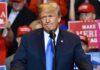
President Donald Trump is not hiding his approach toward Iran. In public remarks, he described the United States as having Iran in an “economic chokehold” and warned that force could return if talks fail.[3] That is not the language of a quiet diplomatic reset. It is the language of leverage, where sanctions, military threats, and bargaining are all meant to push Tehran into concessions.
That pressure matters because the current talks are not a finished peace deal. CBS News said the memorandum of understanding is a 14-point framework that leaves key nuclear details for later technical talks.[1] BBC added that the agreement does not fully match Trump’s public claim that Iran would never build a nuclear weapon, since the text mainly requires Tehran to downblend part of its stockpile under International Atomic Energy Agency oversight.[2]
Iran Is Hurting, But It Is Still Operating
Reporting also shows why some supporters see this as a real squeeze. The Wall Street Journal said Iran expanded its atomic program after Trump left the 2015 nuclear deal, and that sanctions and military action have not yet forced Tehran to stop.[4] The Arms Control Center summarized an International Atomic Energy Agency report saying Iran held more than 400 kilograms of uranium enriched to 60 percent purity, up nearly 50 percent since February.[7] That is a dangerous sign, even if it does not prove collapse.
At the same time, the available evidence does not show the Islamic Republic breaking apart. The Council on Foreign Relations says nuclear talks have been disrupted by leadership changes, regional war, and disputes over issues like the Islamic Revolutionary Guard Corps designation.[5] That points to strain, but it also shows a state that can still negotiate, delay, and adapt. A regime on the edge of collapse usually shows elite splits, defections, or security failure. The material here does not show that.
What The Broader Record Suggests
Other reporting cuts against the idea that pressure alone will produce quick regime change. Iran International quoted a former United States diplomat saying the Islamic Republic has absorbed pressure before and has become “even more hardline and determined to prevail.”[8] Habtoor Research says Iran built sanctions-bypass systems through clandestine oil sales, informal trade, and dark fleet logistics, which helped it survive long pressure campaigns. The Wall Street Journal also reported that economic coercion has often been ineffective against defiant regimes.[10]
That does not mean the Trump strategy is meaningless. It does mean the stronger claim needs stronger proof. The current record supports a picture of coercion, temporary bargaining, and visible stress on Iran’s nuclear program. It does not support a claim that the regime is already collapsing from the inside. For readers who want a hard, evidence-based view, the key question is whether pressure is forcing real limits or only producing more dangerous defiance.[1][2][4][5][8][10]
Sources:
[1] Web – “Trump Is Literally Cooking the Islamic Regime from the Inside”
[2] Web – Here’s how Trump’s memo of understanding with Iran compares to …
[3] Web – Initial US-Iran agreement leaves many key issues to be negotiated
[4] YouTube – Iran deal signed by Trump… but what aspects remain UNRESOLVED
[5] Web – Trump Wants to End Iran Nuclear Ambitions That Grew After … – WSJ
[7] Web – Iran nuclear deal negotiations (2025–26) | United States … – …
[8] Web – Fact Sheet: The Iran Deal, Then and Now
[10] Web – Iran Nuclear Agreement: Overview | History | Research Starters