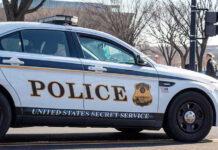
A New Jersey mom delivered a healthy baby boy on the side of the Turnpike, with her husband, a state trooper, and an iPhone charger all playing a role in a birth that shows how ordinary Americans still step up when life gets real.
Story Snapshot
- A Jersey City couple welcomed baby Archer on the New Jersey Turnpike at mile marker 113.3.
- Dad and a New Jersey State Trooper safely delivered the baby and used an iPhone cord to clamp the umbilical cord.
- Both mom and baby are healthy, and the trooper stayed in touch with the family after the birth.
- The story fits a wider rise in births outside hospitals, as many families seek more natural care.
Baby Archer’s Wild Arrival On The New Jersey Turnpike
On July 2, Kristen and Alex Fast left their Jersey City home and headed for the hospital, thinking they had time before their son arrived. Kristen went into labor around 12:20 p.m., and the contractions quickly became intense as they drove along the eastern spur of the New Jersey Turnpike in Secaucus. Their doula, reached by phone, told Alex to pull over and call emergency services right away when it became clear the baby was coming fast.
Police records and local reports say New Jersey State Police received a call about a woman in labor near mile marker 113.3 at about 12:41 p.m. By the time State Trooper Freddie Guacamaya reached the shoulder, Kristen was already in active labor and their son Archer was moments from being born. At 12:45 p.m., Archer William Fast entered the world right there on the side of the highway, making him a “Jersey boy through and through,” as his mom later joked.
Trooper, Dad, And An iPhone Cord Save The Day
Alex had already started to help deliver the baby when Trooper Guacamaya arrived, put on gloves, and joined the effort to guide Archer out safely. Officials confirmed that the trooper delivered the baby on the roadside, working shoulder to shoulder with the new dad. Once Archer was born, they faced an immediate problem: the umbilical cord still needed to be clamped to protect the baby until paramedics could arrive with proper tools.
Without medical equipment, Guacamaya and Alex grabbed the only thing they had that could work as a clamp: an iPhone charger cable. They tied off the cord as best they could, using quick thinking and steady hands while waiting for emergency medical services to reach them. Paramedics soon arrived, checked the newborn, and moved both mother and baby to a nearby hospital for full care and monitoring. Later, Alex shared that both Kristen and Archer were healthy, and the baby’s first doctor visit was already scheduled.
A Healthy Mom And Baby, And A Trooper Who Stayed In Touch
Hospital staff confirmed that Archer was doing well, and follow-up checks showed he was thriving after his dramatic birth. His birth certificate even lists “New Jersey Turnpike I‑95, mile marker 113.3” as his official place of birth, marking a story the family and state police will never forget. Trooper Guacamaya did more than deliver the baby; he also drove the family’s car to the hospital after the ambulance left, making sure their belongings followed them safely.
Reports say the trooper has stayed in contact with the Fasts and plans to visit Archer again, a simple sign of community and duty that many families appreciate but rarely see. For many conservative readers, this kind of hands-on service reflects the best of local law enforcement, who still show up when it counts instead of hiding behind bureaucracy. It also shows how families, not agencies, sit at the center of real life-and-death moments, backed by first responders who answer the call.
Roadside Births And A Shift Away From Heavy-Handed Hospital Care
While Archer’s highway birth is rare, it fits into a broader trend of more births happening outside hospitals in the United States. Research shows that by 2010, about 1 in 85 babies were born outside hospital settings, with most at home and the rest in birth centers or other places like cars and roads. Studies and reports have raised concern about how often hospitals use medical interventions that may not be needed and can raise risks for mothers and babies.
Many families now seek more natural births, fewer drugs, and less pressure from hospital systems that can feel driven by policy and liability instead of personal care. Experts argue that childbirth often works best when the mother’s body is left to do what it was designed to do, with trained help standing by for real emergencies. Archer’s story underscores that, even in an unplanned setting, a calm father, a committed trooper, and fast emergency response can lead to a safe, healthy birth without layers of red tape or excess intervention.
Sources:
nypost.com, people.com, nj.com, facebook.com, pubmed.ncbi.nlm.nih.gov, pmc.ncbi.nlm.nih.gov, nationalpartnership.org, journalofethics.ama-assn.org, chcf.org