
Mick Jagger is warning that Bruce Springsteen’s anti-Trump concert speeches leave fans cold, raising fresh questions about whether rock shows are turning into political rallies instead of nights of music.
Story Snapshot
- Bruce Springsteen used his Washington, D.C. show to attack President Trump and urge “aggressive, peaceful action” from fans.
- Audience members at Nationals Park cheered his rhetoric and came hoping for an “anti-Trump diatribe,” but there is no hard data on broader fan satisfaction.
- Mick Jagger says lecturing fans about politics from the stage is not what people want from a Rolling Stones concert.
- The clash highlights a bigger fight over whether entertainment spaces should double as partisan platforms during Trump’s second term.
Springsteen turns a D.C. concert into a political call to action
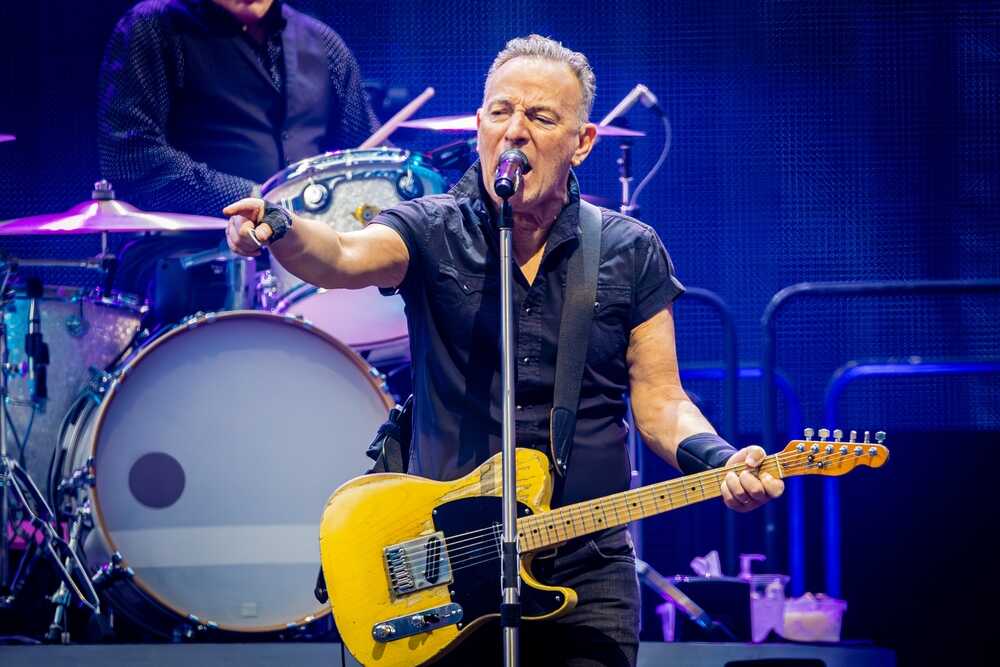
Bruce Springsteen’s May 27, 2026 show at Nationals Park in Washington, D.C. went far beyond music and became a direct attack on President Donald Trump. On stage, Springsteen told the crowd the president “wishes nothing but ill upon those who he disagrees with” and blasted what he called oppressive tactics from the administration. He urged fans to “take aggressive, peaceful action to defend our country’s ideals,” echoing civil rights leader John Lewis’s famous line about “good trouble.” The set included “Streets of Minneapolis” and “American Skin (41 Shots),” tying his songs to stories of federal immigration raids and police shootings.
Springsteen framed the entire Land of Hope and Dreams American tour as “both a celebration and a defense of America,” and that Washington show fit that mission. He told fans that if they felt helpless, hopeless, betrayed, frustrated, or angry, he understood and shared their concerns. Social posts from the night praised hearing lines like “America is a sacred argument,” treating his remarks as moral guidance during the country’s 250th anniversary. At the same time, the concert ran three hours with 27 songs, meaning fans who wanted pure music still got a long show, but could not avoid the political theme woven through it.
What Springsteen fans say they want — and what we still don’t know
Outside the venue, a satirical video interviewing Springsteen fans found people openly hoping for strong political attacks on Trump. Several fans said “We love Bruce’s politics” and looked forward to an “anti-Trump diatribe tonight,” showing clear support among that crowd for mixing activism into entertainment. The same video joked that his shows have become “a DNC telethon,” with 10 to 20 percent of the time given to political commentary instead of songs. It also mocked the mostly older, white audience and noted a lack of people of color in the crowd and on stage, raising doubts about how broad Springsteen’s political reach really is.
There is still no hard data proving that these speeches make typical concertgoers more satisfied. No ticketing company, stadium operator, or independent pollster has released survey numbers from the Nationals Park show about whether fans liked or disliked the political segments. There are also no public financial reports showing higher or lower ticket sales tied specifically to Springsteen’s anti-Trump messaging. Without real numbers, the claim that these rants “engage audiences” rests on applause in the moment, social media praise, and a handful of interviews, not on measured evidence.
Mick Jagger draws a line: concerts are for songs, not lectures
Rolling Stones front man Mick Jagger has now stepped into the debate, saying he does not want his own shows to turn into political lectures like Springsteen’s. In a recent interview, Jagger explained that people pay good money to hear music, not to be talked at for long stretches about politics. He suggested that while artists can have views, turning a rock concert into a partisan rally risks annoying fans and breaking the shared escape that live music is supposed to offer. Conservative outlet Twitchy highlighted Jagger’s comments under the headline “Mick Jagger Tells ‘The Boss’ Audiences Get No Satisfaction From His Political Rants,” framing it as a rebuke of Springsteen’s approach.
That stance matters because Jagger is not shy about politics himself. In past shows, he has tossed out quick jabs at politicians, including Trump, but he has avoided long speeches that dominate the night. His message now is clear: short, sharp lines are one thing, but long sermons risk crossing a line for paying customers. For many conservative fans, that sounds like common sense. They are tired of being scolded and misrepresented by wealthy entertainers who fly private, live in mansions, and still claim to speak for “working people” while attacking a president they support.
Entertainment, activism, and the Trump-era culture clash
Springsteen’s D.C. speech is part of a larger trend of artists targeting Trump from the stage and in public events. Over 30 major acts have objected to Trump using their music at rallies, and many openly endorse Democrats or call the administration “treasonous,” “racist,” or “authoritarian.” This year, Springsteen joined Taylor Swift, Billie Eilish, and others in pulling out of Trump-linked Freedom 250 concerts planned for America’s 250th birthday. Their exits led Trump to suggest canceling the performances entirely, and he urged supporters to boycott the artists involved. The fight over those concerts matches the clash now playing out between Springsteen and Jagger over what belongs in a live show.
For conservative Americans, this moment is about more than one rock star’s speech. Many feel cultural institutions have turned against them, from late-night TV to big award shows to major tours, painting Trump voters as villains instead of as millions of citizens with legitimate concerns. When a concert billed as entertainment turns into a one-sided attack on the sitting president, they see yet another space where their voices and values are pushed out. Mick Jagger’s warning that audiences “get no satisfaction” from long political rants captures that fatigue and calls for a reset: keep concerts focused on the music, and let voters argue politics in the public square, not under the stadium lights.
Sources:
twitchy.com, thehotelwashington.com, youtube.com, rabbirandy.substack.com, instagram.com, seattletimes.com, facebook.com, reddit.com, mediaite.com, pbs.org