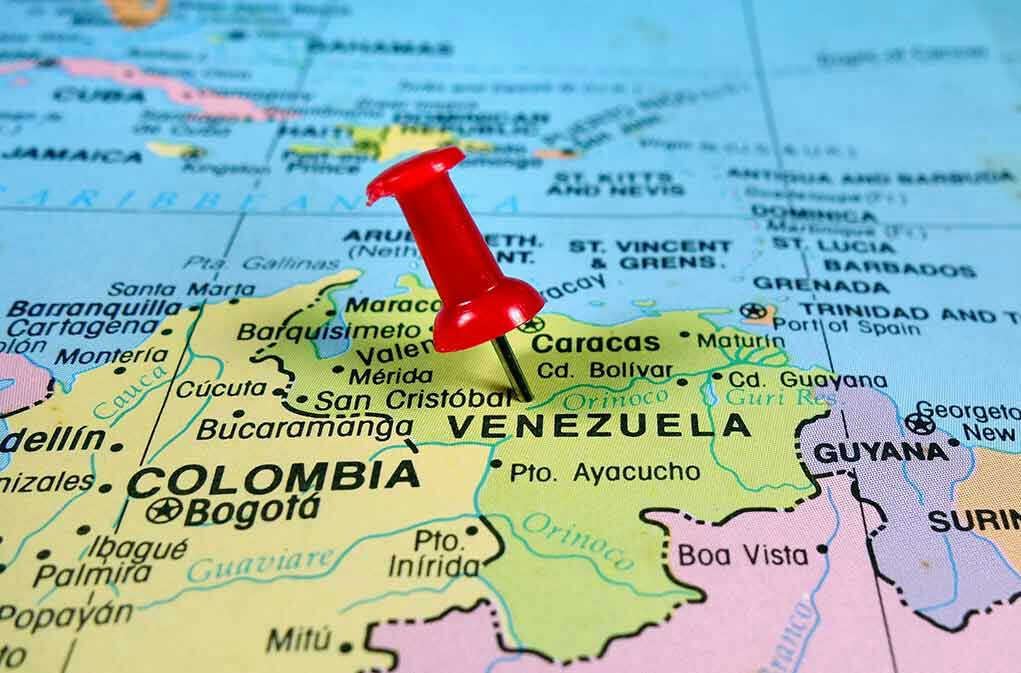
A powerful earthquake shook Venezuela and sent people rushing into the streets, while the first reports left many questions about damage, injuries, and a tsunami risk that spread fast across the Caribbean.
Quick Take
- The United States Geological Survey said the quake measured **7.1** and struck near Venezuela’s Caribbean coast.[4]
- Residents in Caracas evacuated buildings as dust clouds rose and walls came down in some neighborhoods.[4]
- Officials issued tsunami alerts for parts of the region, then some warnings were later lifted or narrowed.[2][4]
- Early reports on injuries and structural damage changed quickly, showing how fast the story was still unfolding.[1][4]
Caracas Felt the Shock Fast
The quake hit with enough force to rattle Caracas and force people outside. NBC News reported that residents evacuated swaying buildings and gathered in the streets after the shaking started.[4] The report also said the epicenter was west of Morón, about 104 miles from Caracas, with a depth of 8 miles.[4] That combination of depth and location helps explain why the tremor was felt far beyond the coast.
Video and written reports described dust clouds, damaged walls, and signs of panic in the capital.[4] The Associated Press also said the earthquake collapsed buildings in Caracas.[5] Other coverage said the tremor was felt across a wide area, including parts of Colombia, which shows this was not a small local jolt.[1][3] For families watching from home, the key fact is simple: this was a real seismic event with immediate impact.
Tsunami Alerts Showed How Quickly Officials Moved
Authorities moved fast because earthquakes near the Caribbean can turn into worse problems if the seabed shifts. The National Tsunami Warning Center issued alerts for Puerto Rico and the Virgin Islands, while other reports said warnings also covered nearby islands and coastlines.[4][14] A later BBC report on a separate Caribbean quake explained the same warning pattern: alerts can go out first and then be canceled once more data comes in.[8] That is caution, not overreaction.
That warning system matters because the Caribbean has a long and dangerous tsunami history. UNESCO-linked material says the region has seen more than 75 tsunamis in the last 500 years, with destructive events documented over time.[11] UWI Seismic says the Caribbean has had ten confirmed earthquake-generated tsunamis in the past 500 years and that destructive tsunamis are rare but not negligible.[12] In plain terms, officials are not guessing when they warn coastal communities to move.
Damage Reports Changed as More Facts Came In
Early reports did not all agree on the level of damage. Miami Herald coverage said preliminary accounts included structural damage, possible injuries, and reports of broken windows and a partial wall collapse, while also noting that authorities had not yet released a full official assessment.[1] NBC News reported cracks, bottles knocked off shelves, and no major damage confirmed within the first hour.[4] That gap shows how early disaster coverage can be messy before inspectors finish their work.
LIVE: Aftermath earthquake in Venezuela M7.5
Category: Major earthquake
Event time: 6:05 PM ET / 22:05 UTC
Location: 23 km SE of Yumare, Venezuela
Depth: 10 km
USGS alert: Red
Tsunami flag: No tsunami flag listed by USGS#Live #Earthquake #Venezuelahttps://t.co/61nBKo7urw— WilluChill United States News. (@Will466513) June 25, 2026
ABC News said crews responded to collapsed buildings in Caracas and that multiple people were reported injured in a later phase of reporting.[9] Other outlets described power outages, people in the streets, and damage visible from afar.[2][3] At the same time, some early social posts and local reports said no tsunami threat existed for certain areas, which underlines why readers should wait for the formal warning line instead of online chatter.[2][7][14] In a region this exposed, speed and caution usually beat wishful thinking.
Why This Earthquake Drew So Much Attention
Seismic officials and weather agencies treat Caribbean quakes seriously because a missed warning can cost lives. United States Geological Survey material on Caribbean warning systems says quake alerts can reach tsunami centers within minutes, giving officials time to warn vulnerable coasts.[10] That is why even a quake with limited damage can still trigger alarms. In this case, the first reports suggested panic, possible structural failure, and regional wave concerns, all before full assessments were available.[4][9]
Sources:
[1] YouTube – LIVE: Aftermath of 7.1-magnitude earthquake in Venezuela
[2] Web – Tsunami Warning Issued After 7.1 Magnitude Earthquake …
[3] YouTube – Tsunami warning issued after 7.1 magnitude earthquake hits …
[4] Web – July 30, 2025: Tsunami warnings in the US downgraded …
[5] Web – No tsunami threat to Trinidad and Tobago. A M7.1 …
[7] Web – 5.0 magnitude earthquake felt in Venezuela,Trinidad & …
[8] Web – Surfline | TSUNAMI WARNING IN EFFECT A powerful M8.7 …
[9] Web – Tsunami warnings were issued after a magnitude 7.8 …
[10] Web – Japan Issues Tsunami Advisory After Strong 7.5 Magnitude …
[11] Web – Powerful Magnitude 7.1 Earthquake Strikes Venezuela …
[14] Web – A major, 7.1-magnitude earthquake struck in Venezuela on …