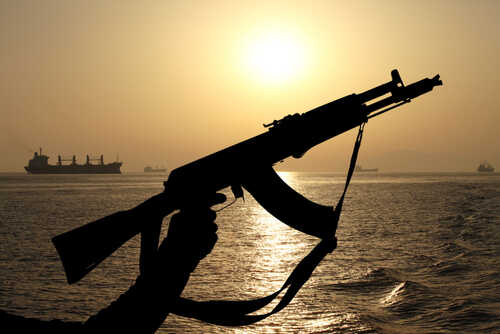
A sailor’s refusal to abandon his yacht cost him his life when Somali pirates opened fire in the Indian Ocean off South Africa’s coast.
Quick Take
- An Australian sailor was shot dead on his yacht during a suspected pirate attack on November 30, 2025
- The sailor refused to disembark from his vessel when confronted by Somali pirates
- The incident occurred in the Indian Ocean off South Africa, a region with documented piracy threats
- Maritime security experts warn that small vessels and recreational sailors face significant vulnerabilities in pirate-prone waters
The Last Stand on Open Water
The Indian Ocean claimed another victim this week when an Australian sailor met a violent end aboard his yacht during what authorities believe was a pirate attack. The sailor’s decision to stand his ground rather than abandon ship sealed his fate. Somali pirates, operating in waters off South Africa’s coast, opened fire when he refused their demands to leave the vessel. This tragic incident exposes a hard truth: the romance of ocean adventure collides brutally with maritime realities in certain global waters.
Sailors on ‘adventure of a lifetime’ found dead in suspected pirate attack off coast of South Africa https://t.co/DrOXhRQKO8 pic.twitter.com/ApmAjJIYnL
— kayvan sabouri (@KayvanSabouri) November 30, 2025
Understanding the Piracy Landscape
Somali piracy has plagued the Indian Ocean for over two decades, emerging from state collapse, poverty, and the staggering profits generated through maritime ransom operations. While piracy peaked in the early 2010s, organized criminal groups continue operating in these waters with lethal efficiency. The region remains one of the world’s most dangerous shipping corridors. Recreational sailors and small vessel operators face asymmetrical threats from well-organized pirates who view ships as targets for robbery, ransom, or worse.
Watch:
Why He Refused to Leave
The sailor’s decision to refuse disembarkation reflects a complex calculus that many maritime security experts debate. Vessels represent years of investment, personal history, and irreplaceable possessions for recreational sailors. Some mariners believe standing firm against pirates demonstrates resolve or protects their property. Others fear what might happen during the transfer process. The tragic outcome suggests this particular sailor underestimated the pirates’ willingness to use lethal force or overestimated his ability to negotiate or resist. His yacht became his tomb rather than his sanctuary.
The Vulnerability of Adventure Seekers
This incident characterizes what the sailor was undertaking as an “adventure of a lifetime,” suggesting a significant personal voyage through dangerous waters. Recreational sailors pursuing dreams of circumnavigation or extended ocean voyages often operate with minimal security infrastructure. They lack the communication systems, armed protection, or maritime authority coordination that commercial vessels maintain. Insurance companies, maritime organizations, and security consultants have long warned that recreational sailors in high-risk zones face catastrophic consequences. This tragedy validates every warning issued.
Broader Implications for Ocean Recreation
The incident will inevitably influence risk perception within the recreational sailing community. Insurance policies may become more restrictive or expensive for voyages through pirate-prone waters. Sailing organizations will likely intensify their guidance regarding route planning and security protocols. Families considering maritime adventures must now grapple with whether the dream justifies the danger. The sailor’s death becomes a cautionary tale that spreads through sailing forums, yacht clubs, and adventure communities worldwide, reshaping how people evaluate risk tolerance against wanderlust.
Sources:
KBY – Aussie Sailor Found Dead on Yacht off South Africa in Suspected Pirate Attack
Sail World – Sailor Found Dead in Suspected Pirate Attack