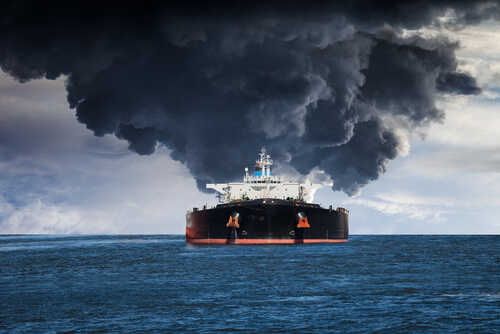
Ukraine’s recent naval drone strikes on Russian oil tankers mark a significant escalation, posing potential threats to NATO waters and global energy markets.
Story Highlights
- Ukrainian naval drones target Russian tankers in the Black Sea.
- The strikes occurred near Turkey’s Bosphorus Strait, a critical chokepoint.
- The targeted vessels are part of Russia’s sanctioned shadow fleet.
- Turkish authorities conducted rescue operations due to the proximity to NATO territory.
Ukrainian Naval Strikes on Russian Oil Tankers
On November 28, 2025, Ukrainian naval drones struck two Russian oil tankers, the Virat and Kairos, in the Black Sea. These tankers were part of Russia’s shadow fleet, operating to circumvent international sanctions. The incident took place near Turkey’s Bosphorus Strait, a crucial maritime chokepoint, leading to fires and explosions on both vessels. This bold move represents a continuation of Ukraine’s asymmetric warfare strategy, targeting Russian energy infrastructure and maritime assets.
Turkey, as a coastal state with jurisdiction over the Bosphorus Strait, played a significant role in coordinating rescue operations. The Turkish Maritime Affairs Directorate confirmed the incidents and dispatched rescue units to the scene. Both tankers were listed on international sanctions watchlists, highlighting the deliberate targeting of vessels aiding Russia’s oil exports despite ongoing sanctions. The proximity to NATO territory underscores the strategic implications of these strikes.
Watch:
Impact on Global Energy and Maritime Security
The immediate impact of these strikes is a disruption to Russian oil export operations, potentially affecting global energy markets. The environmental risk from possible fuel spills in the Black Sea cannot be ignored, raising concerns among international shipping and maritime insurance industries. This incident also demonstrates Ukraine’s capability to strike Russian targets near NATO member waters, reinforcing its deterrent posture against Russian maritime assets.
In the long term, this could lead to an accelerated replacement or retirement of Russian shadow fleet vessels due to increased operational risks. It may also prompt a reevaluation of alternative energy export routes by Russia, while potentially escalating maritime operations in the region. NATO member states, particularly those relying on energy imports through these routes, may need to reassess regional stability and security measures.
Strategic and Geopolitical Implications
This incident highlights the strategic importance of the Black Sea as a corridor for energy exports and Ukraine’s innovative use of naval drone technology. By targeting vessels already subject to international sanctions, Ukraine focuses on degrading Russia’s economic capacity while showcasing advanced technological capabilities. The strikes’ proximity to NATO waters indicates Ukraine’s reliance on international law and Turkey’s neutrality in conducting operations.
"The two oil tankers, identified as the Kairos and Virat, were empty and sailing to Novorossiysk, a major Russian Black Sea oil terminal, the official at the security service of Ukraine told Reuters."https://t.co/NprnqNOpAA https://t.co/f1JQ5Qg3mr
— Alex W 🇺🇦🏴 (@koenig_jakob) December 1, 2025
Overall, these developments underscore the evolving nature of the conflict, emphasizing the need for strategic assessments of maritime security and the potential for escalated asymmetric warfare tactics. Turkey’s role in rescue operations further complicates its balancing act between NATO obligations and maintaining economic ties with Russia.
Sources:
Ukraine’s naval drones strike Russian oil tankers in Black Sea