
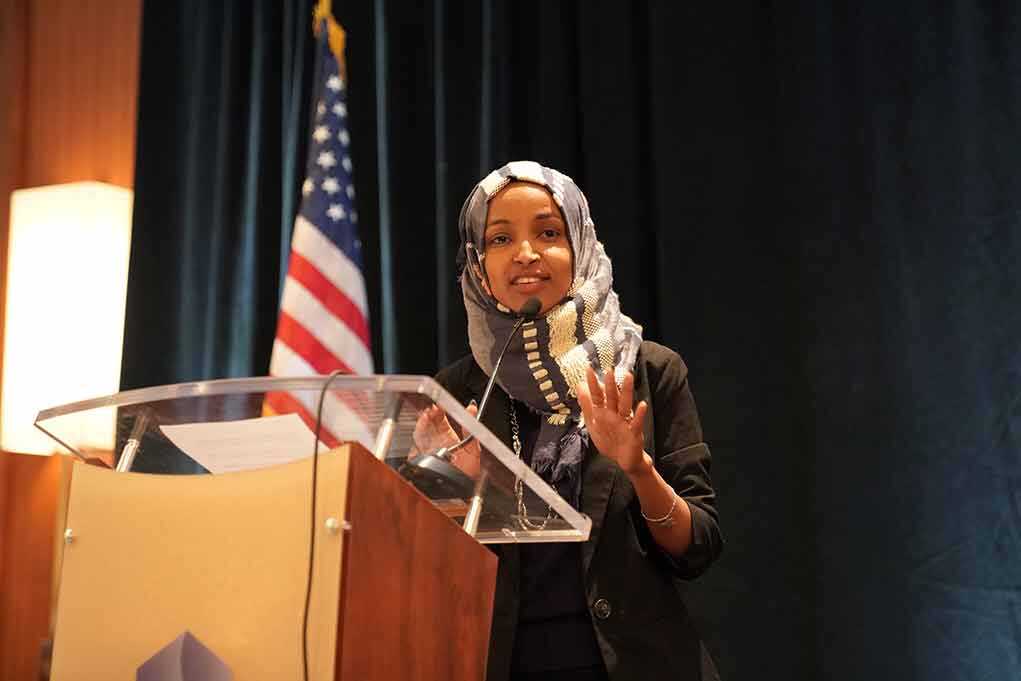
A federal judge unsealed more than 160 pages tied to a search of Rep. Ilhan Omar’s home in a long-running immigration-paperwork probe, while the core affidavit stays sealed and the questions keep growing.
Story Highlights
- Court approved a search of Omar’s Washington, D.C., home; records tie it to possible immigration-paperwork fraud.
- More than 160 pages were unsealed, but the 67-page probable-cause affidavit remains hidden.
- Prosecutors described alleged conduct spanning “over decades,” predating her time in Congress.
- Judges and lawyers argued over protecting legislative materials under the Constitution’s Speech or Debate Clause.
What The Court Records Show About The Omar Investigation
Associated Press reporting says a federal magistrate judge authorized agents to search Rep. Ilhan Omar’s Washington, D.C., home on October 12, 2026, as part of an investigation into possible fraud in family immigration paperwork. NBC News reported that a judge later unsealed more than 160 pages from the case, offering a window into the dispute over how the search should be handled and why it proceeded at all. The documents show real activity, but they stop short of proving a crime.
Prosecutors told the court the alleged conduct stretched “over decades—beginning long before she was ever in Congress,” according to summaries of the unsealed filings. The government argued that revealing the 67-page affidavit would risk the investigation, and Chief Judge James Boasberg agreed to keep that affidavit sealed for now. That means the public cannot see the exact evidence, witness statements, or records investigators say they have.
What Remains Hidden And Why That Matters
The most important document—the probable-cause affidavit—stays sealed, so outside reviewers cannot test the timeline, the claimed false statements, or whether any statute of limitations issues apply. The released pages are heavy on procedure, light on exhibits. They confirm the warrant existed and was executed, and they describe why secrecy continues. They do not claim that Omar has been charged. Judicial approval of a search does not equal proof of guilt or even an indictment.
The Associated Press also noted that some details in the public coverage rely on an unnamed source who was not authorized to speak, which limits how much weight readers should place on those parts. The records identify immigration-paperwork issues as the focus but do not lay out a welfare-fraud scheme, amounts, or victims. That is a key line to keep clear: immigration-paperwork allegations are the subject on the record; broader welfare-fraud claims have not been documented in these filings.
The Constitutional Fight Over Legislative Materials
The unsealed debate focused on how to protect legislative files during a search of a sitting House member’s home. Courts have long held that the Constitution’s Speech or Debate Clause safeguards legislative acts and related materials, but it does not grant blanket immunity from law enforcement. Prior cases show judges balance Fourth Amendment search rules with protections for genuine legislative work, often using special procedures when seizing mixed records. That balance shaped how this search moved forward.
Judges in Washington, D.C., have applied these rules before, including disputes over searches of congressional spaces and devices. The guidance says investigators can proceed with warrants when there is probable cause, but they must avoid intruding on protected legislative activity more than necessary. That is why courts sometimes require filter teams or staged reviews to separate legislative materials from ordinary records before agents examine the evidence.
Where The Case Stands And What To Watch Next
Reporters say the court issued grand-jury subpoenas to several relatives, signaling active compulsory process, though those details were attributed to a person briefed on the matter who spoke anonymously. Omar has denied wrongdoing and called the probe politically driven, but no charging decision is listed in the unsealed docket summaries. If prosecutors bring charges, expect more records to open. If not, the government may eventually face pressure to explain the closure.
Unsealed court filings in the search of Ilhan Omar's home has the DOJ apologizing for misrepresenting things they said to get that search warrant. They lied of course.
DOJ apologizes for misconstruing top House lawyer’s position on Omar search – POLITICO https://t.co/QWEcXy9Cxy— PennyC (@PennyCarrigan1) November 26, 2026
For readers concerned about border security, immigration integrity, and equal justice, the stakes are clear. The court authorized a serious search tied to immigration-paperwork issues. The government says its evidence spans years. Yet the proof remains under seal. Conservatives should insist on two things at once: protect the Constitution inside any search, and insist on full accountability if fraud occurred—or full clarity if it did not. Sunlight, not leaks, should settle this.
Sources:
youtube.com, apnews.com, mprnews.org, startribune.com, newsweek.com, kvrr.com, cbs12.com, justice.gov, congress.gov, media.cadc.uscourts.gov