

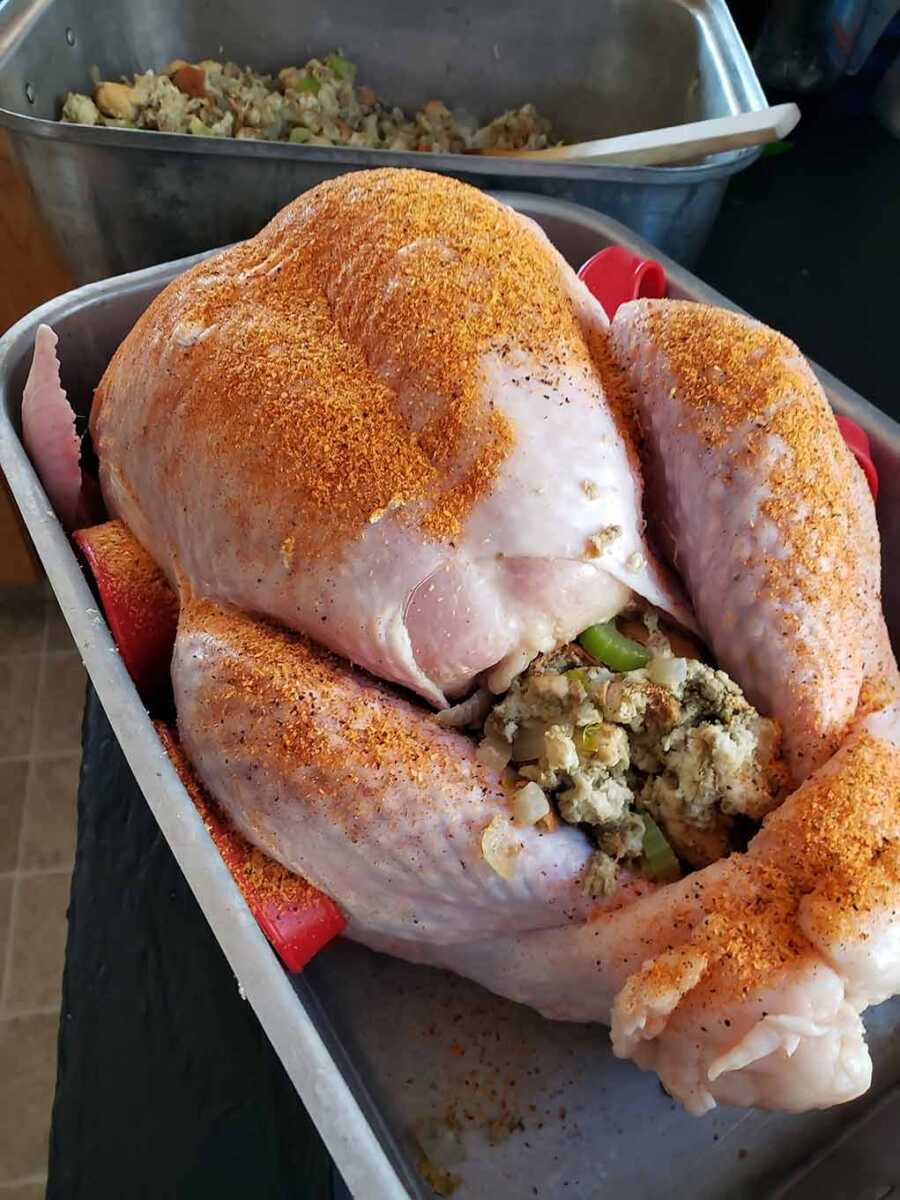
USDA says washing raw turkey spreads germs around your kitchen, and only proper cooking makes it safe.
Story Highlights
- USDA tells home cooks not to wash raw turkey because water splashes spread bacteria.
- Agency research found one in four people who wash poultry contaminate other foods.
- Safety step is simple: cook turkey to 165°F and check with a food thermometer.
- Thaw turkey safely in the fridge, cold water, or microwave; never on the counter.
USDA’s Bottom Line: Do Not Wash the Bird
United States Department of Agriculture guidance tells families to skip washing raw turkey this Thanksgiving. The agency explains that running water hits the bird’s uneven surface and sends germs onto sinks, counters, and nearby food. That spread makes people sick, not dirt left on the skin. The United States Department of Agriculture states clearly, “Do not wash or rinse raw turkey.” The warning targets the real hazard: cross-contamination in a busy holiday kitchen.
United States Department of Agriculture research found that one in four people who wash or rinse poultry contaminate other food items they are preparing. That could mean the salad, rolls, or pie pick up bacteria from the turkey before it even hits the oven. The agency says washing does not remove the problem organisms. Cooking is what destroys them. Washing just spreads them to places that will not be cooked afterward.
The Safety Standard: 165°F Measured Correctly
Food safety officials say the fix is simple and proven. Cook turkey to an internal temperature of 165 degrees Fahrenheit. Use a food thermometer to check the thickest parts of the breast, thigh, and wing. Hitting 165 degrees Fahrenheit kills the dangerous bacteria that can live on raw poultry. This step turns a risky bird into a safe meal. Guessing by color or juice is not reliable. A thermometer is the tool that tells the truth every time.
Some cooks still feel like rinsing makes the bird “clean.” The United States Department of Agriculture says it does not. Bacteria cling to the skin and tiny crevices. Water cannot wash them away. Only heat does that. If someone does rinse for a special case, like dealing with a very salty brined bird, the agency advises cleaning and sanitizing the sink and nearby surfaces right after. That means soap, hot water, and a sanitizing solution to remove what the splash spread.
Thawing and Prep: Simple Steps That Prevent Illness
Planning matters. Thaw turkey safely in the refrigerator, allowing about 24 hours for every four to five pounds. A 16- to 20-pound bird can take four to five days. Cold-water thawing is faster but needs a leakproof wrap and fresh cold water every 30 minutes. Microwave thawing works if the bird fits and you cook it right away. Countertop or hot-water thawing invites rapid bacterial growth and should be avoided every time.
Keep raw turkey and its juices away from foods you will eat without cooking. Use one cutting board for poultry and another for produce. Wash hands with soap and warm water for 20 seconds after handling raw turkey or its packaging. Clean and sanitize counters and tools before moving on to the next dish. These steps block the cross-contamination path that makes guests sick after a holiday feast.
Holiday Kitchens Are Busy: Keep It Safe and Keep It Simple
Thanksgiving brings full houses, tight schedules, and crowded counters. That is when small mistakes become big problems. Skipping the rinse saves time and reduces mess. Setting a thermometer by the oven sets the safety standard you can check. Safe thawing avoids last-minute panic and risky shortcuts. Feed your family with confidence by stopping the spread at the sink and finishing the job with heat in the oven.
🦃 TURKEY FRYER SAFETY: It's not the time to wing it.
Deep-frying a turkey comes with risks; it can cause serious fires and burns when used improperly. Before you start, keep these safety tips in mind:
❌ Never fry a frozen or partially frozen turkey. Fully thaw and dry it… pic.twitter.com/i0DdZ5JrFD
— CAL FIRE (@CAL_FIRE) November 21, 2026
United States Department of Agriculture guidance focuses on what matters most: prevent the splash, cook to 165 degrees Fahrenheit, and keep raw turkey apart from ready-to-eat foods. These steps protect loved ones, respect hard-earned traditions, and keep the focus on gratitude at the table. A clean sink, a hot oven, and a reliable thermometer are the tools that carry your Thanksgiving from prep to prayer to plates safely and well.
Sources:
washingtontimes.com, fsis.usda.gov, usda.gov