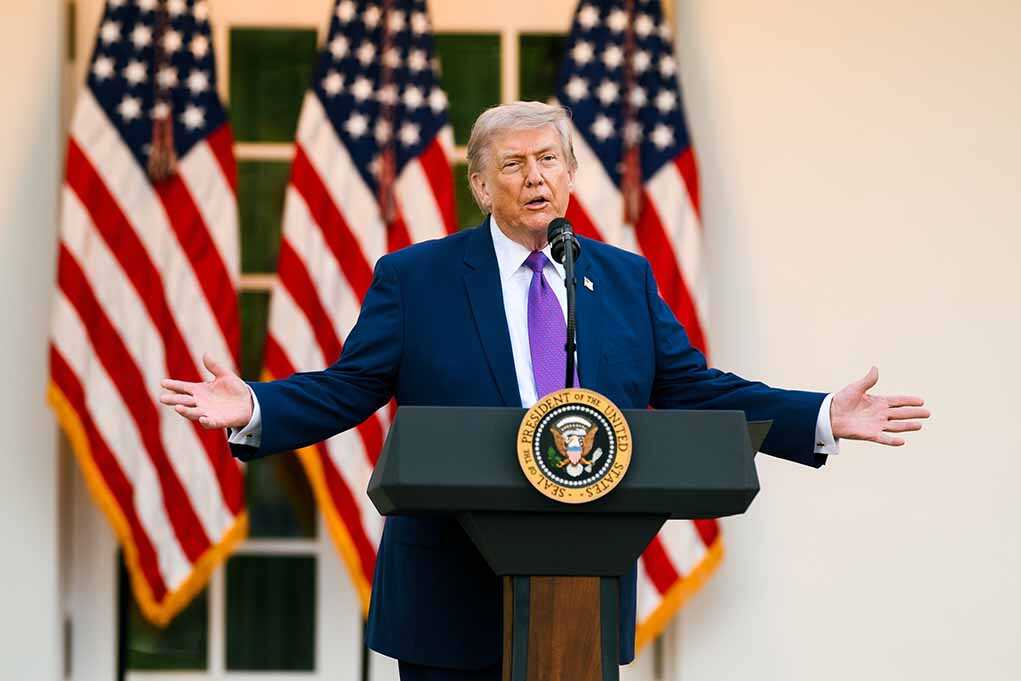
A joint U.S.-Russia-China declaration from the Trump-Xi-Putin summit pledged strategic stability and steady energy flows, and Scott Bessent says the closed-door talks set clear terms for peace and tough pressure on bad actors.
Story Highlights
- Leaders issued a formal declaration on stability, energy, and nuclear-risk reduction.
- Scott Bessent frames the summit as personal, results-focused diplomacy backed by U.S. strength.
- Operation Economic Outcast tightens Iran’s isolation and aims to force talks.
- Trump Accounts expand a donor-backed legacy for American families.
What Bessent Says Happened Behind Closed Doors
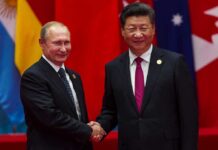
White House releases show President Trump met China’s Xi Jinping and Russia’s Vladimir Putin in Shenzhen on November 19, 2026, and the three leaders issued a written declaration. The document commits to “maintaining strategic stability and international security,” supports steady global energy supplies, and advances dialogue to reduce nuclear risks. Scott Bessent, the Treasury Secretary, has described Trump’s approach as personal, practical diplomacy that demands respect and produces concrete steps that serve American interests ahead of speeches and headlines.
The White House highlighted that Trump previewed the summit themes in a Fox News interview from Shenzhen, pointing to American leverage on China, a hard line on Iran, and the need to manage “super intelligence” with national strength and clear rules. Bessent’s framing aligns with that message. He casts one-on-one leadership engagement as a tool to lock in energy flow assurances, open channels on arms and nuclear-risk talks, and set a tone that reduces miscalculation among nuclear powers while maintaining U.S. deterrence.
The Declaration’s Practical Stakes for Americans
The declaration’s nod to “stable energy flows” matters for U.S. families facing fuel and electricity costs that swing with global shocks. The administration argues that steady flows help calm prices at home while denying windfalls to hostile regimes. Trump officials also point to U.S. control and security operations around key chokepoints that keep oil moving and constrain Iran’s cash streams used for proxy violence. Together, those steps aim to protect wallets at home and stability abroad without endless new wars.
Nuclear-risk reduction talks can sound distant, but the stakes are close to home. Missteps among nuclear states can drive panic markets, spike fuel costs, and raise the chance of escalation. By getting the top three powers in the same room and then into follow-up channels, Trump’s team says it can slow the danger and keep pressure focused on real threats, including Iran’s destabilizing behavior and proliferation risks, while safeguarding American deterrence.
Pressure on Iran: Operation Economic Outcast
The administration’s Iran policy sits beside the summit diplomacy. Operation Economic Outcast seeks to sever “every remaining economic lifeline” to the Islamic Republic of Iran, tightening sanctions and enforcement to starve Tehran’s terror financing and missile programs. Officials describe a two-track plan: keep energy moving for allies and markets, while choking off Iran’s revenue and forcing Tehran toward serious talks. U.S. Central Command messaging underscores American control of key maritime lanes that frustrate Iran’s leverage.
Trump’s team believes stronger pressure now prevents a costlier conflict later. The White House states the goal is to compel changes in behavior, not to chase regime change adventures. Bessent connects this policy with summit outcomes, saying clear power backed by working energy lanes gives Washington better leverage with both Moscow and Beijing on shared red lines, including nuclear dangers and terror financing that could spiral across regions.
Trump Accounts: A Parallel Legacy at Home
While foreign policy drew the headlines, officials also flagged the growth of “Trump Accounts,” the child investment program launched in 2025. The White House cites a one-time $1,000 seed for eligible newborns, private ownership, index investing, and room for family contributions up to an annual cap. Business leaders, including Michael Dell, backed the effort with major gifts, and the administration has touted millions of accounts opened and growing for American families.
🇺🇸🇺🇦 Bessent on Ukraine:
The Europeans have sent more money to Vladimir Putin than they have to President Zelensky.
Trump believes that the best way to do diplomacy is on a personal level. It's realpolitik, not unlike what Richard Nixon did.
Let's look back at what President… pic.twitter.com/6nc4jppN9p
— Savchenko Volodymyr (@SavchenkoReview) November 21, 2026
Bessent points to the accounts as proof that conservative policy can bolster families without sprawling bureaucracy. The program aims to build long-term wealth, teach saving, and tie households to American enterprise. The White House says that scale, plus private donations, reflects a public-private model that rewards work, thrift, and ownership. That domestic track, paired with diplomacy that lowers global risk and secures energy, is the administration’s case for peace through strength and prosperity at home.