
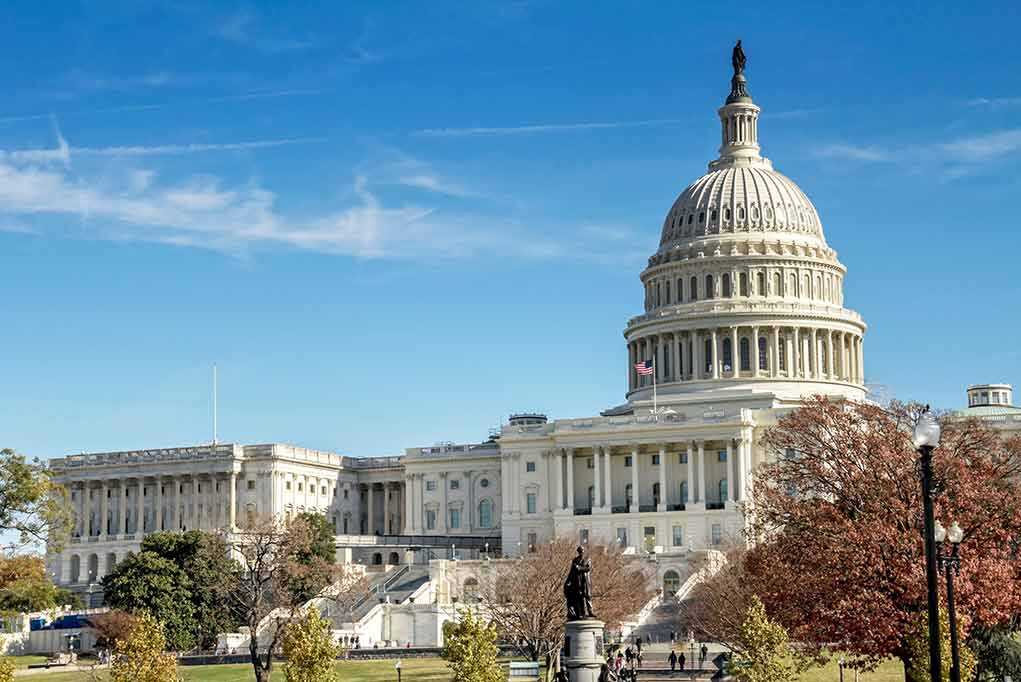
U.S. intelligence reportedly flagged Iranian planning for a dirty bomb or chemical attack in Washington aimed at senior officials, prompting urgent contingency steps in the capital.
Story Snapshot
- Seven U.S. officials told CNN that Iran scoped options for a dirty bomb or chemical attack in Washington targeting senior officials.
- Specific locations and targets reportedly drove fast U.S. contingency planning and security reviews.
- President Trump warned Iran would pay a price if it detonated a dirty bomb; Homeland Security echoed firm consequences.
- White House and State leaders said there is no current, credible or imminent homeland threat, highlighting uncertainty.
What a dirty bomb is and why it matters for Washington
Federal officials describe a dirty bomb as a radiological dispersal device. It uses a normal explosive to spread radioactive material over a small area. Such a device is easier to build than a nuclear bomb, but it can still cause panic, injury, and costly cleanup. New reporting says U.S. intelligence saw Iranian planning that could include a dirty bomb or a chemical weapon, with potential targets in Washington linked to senior officials, according to seven U.S. officials.
CNN reported that the intelligence contained specific locations, which triggered rapid contingency steps by U.S. agencies. That means planners did not treat this as a rumor. They moved to tighten protection and review response plans. President Trump said Iran would “pay a price” if it tried a dirty bomb in Washington. Homeland Security leadership said such an attack could trigger a wider war, underscoring how serious leaders view any strike on the capital.
What officials agree on, and what remains unclear
Officials stressed the distinction between planning and an active plot ready to launch. CNN’s sources called the activity option-building, not a sign of an imminent attack. White House spokesperson Lauren Bis said the administration is watching threats but sees no credible threat to the homeland at this time. Secretary of State Marco Rubio also said there was no imminent threat. These statements show caution and resolve, while confirming important limits in what the public record can prove.
Anonymous-source reporting leaves open questions. A senior official was quoted elsewhere saying the report was not new and doubting fast execution without skilled people and material access inside the United States. Iran’s government denied the claim and called it fabricated. Denials are expected in these cases, but they do not settle the facts. U.S. intelligence leaders have also warned that lethal plotting by Iran has increased in recent years, which aligns with the concern about senior officials as targets.
How to think about risk, readiness, and American strength
Washington has lived with dirty-bomb worry for decades because even a small blast can spread fear and disrupt a city. This report adds weight because it links the threat to senior U.S. officials and to specific sites in the capital. The intelligence community’s warning track record on Iranian plots against Americans gives this more context. Still, officials say there is no current, credible or imminent threat, so the near-term risk to families and workers in the capital remains limited by the available facts.
Conservatives should press for vigilance, not panic. That means strong borders, strict screening, and tight tracking of radioactive and chemical materials. It also means a clear red line that any attack on our capital or leaders will meet firm and certain response. The Trump administration’s message made that plain. Prepare, deter, and keep faith with American strength. Demand transparency where possible, and support the men and women who stand watch so that a plan never becomes a strike.
Sources:
facebook.com, cnn.com, edition.cnn.com, yahoo.com