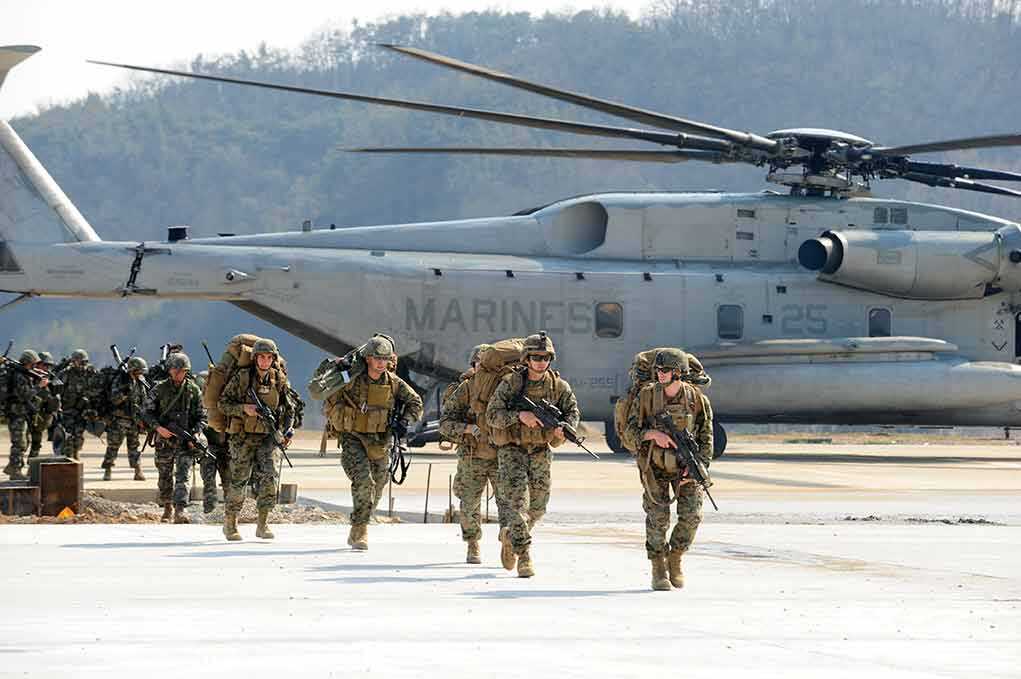
U.S. Central Command confirmed every American service member has left Iraq, ending a 12-year anti-Islamic State mission and closing a 23-year chapter of deployments there.
Story Highlights
- U.S. military completed its Iraq withdrawal, with final troops leaving Erbil Air Base.
- Pentagon said troops and equipment executed an orderly departure from Iraq.
- Iraqi leaders cast the exit as full sovereignty; Iran-backed groups also cheered.
- Analysts warn power vacuums can invite terror and Iranian influence if Baghdad falters.
Final U.S. Departure From Iraq Confirmed
U.S. Central Command said the last American forces departed Erbil Air Base in northern Iraq, confirming the full withdrawal of U.S. troops from the country. The Pentagon described the move as the end of the mission to support Iraqi forces against the Islamic State group, carried out on time and in good order. Defense officials added that personnel and equipment left in an “orderly departure,” capping a two-year, phased exit negotiated with Baghdad.
Iraq’s government declared the day a marker of complete sovereignty after years of foreign troop presence. The announcement followed a steady drawdown that began in 2025 and wrapped up with the final lift from Erbil. The mission’s close means U.S. troops are no longer stationed in Iraq under the banner of the global coalition against the Islamic State, which formed in 2014 after the terror group seized large swaths of territory.
Reactions Across The Region And In Washington
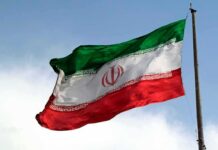
Iraqi leaders praised the move as a turning point for national control, tying it to dignity and independence. Iran and allied militias also celebrated, presenting the exit as their win after years of attacks and pressure on coalition sites. President Trump welcomed the closure of what he called an expensive and costly chapter, while the Pentagon framed the departure as the proper finish to a defined mission against the Islamic State’s organized threat.
Regional players now watch how Baghdad manages security and politics without a U.S. troop presence. Past experience shows that a weak state can invite extremists and outside powers to grow their reach. Analysts warn that poor coordination or hollowed institutions can open doors to terror or extended Iranian influence if Iraqi forces lose focus or unity in the months ahead.
Security Risks And The Lessons Of 2011
Counterterror experts and think tank studies point to a clear lesson: withdrawals that outpace local capacity risk new violence. In 2011, the United States left and returned three years later when the Islamic State captured large areas and terrorized civilians. Research links that earlier gap to falling security and lost intelligence ties, which slowed response times and hurt counterterror gains. The current exit aims to avoid that pattern by leaving Iraq’s forces in the lead and accountable for their territory.
Reuters notes that the vacuum could benefit Tehran and allied militias if Baghdad cannot restrain them, while also giving space to terror networks if pressure eases. That risk puts a premium on Iraq’s chain of command, border control, and political unity. For the United States, the drawdown reduces exposure and cost but raises the stakes for remote support, intelligence sharing, and targeted counterterror pressure if a new threat reemerges.
What This Means For U.S. Policy And Power
U.S. strategy now shifts from a visible footprint to over-the-horizon tools and regional partnerships. Washington can still share intelligence, train abroad, and act fast against a high-threat target, but it loses the day-to-day deterrent that a base and patrols provide. That tradeoff saves money and lives, which many families and taxpayers welcome, but it demands sharper diplomacy and tighter local alliances to block Iranian expansion and prevent jihadists from rebuilding networks.
Conservatives will see a clear measure of success: fewer endless deployments, lower costs, and a demand that regional partners carry their load. The key test is whether Iraq’s leaders keep militias in check and protect civilians. If they do, the exit stands as a disciplined end to a mission. If they do not, threats can grow fast and force new choices. For now, the record is set: American troops are out of Iraq, and the next moves belong to Baghdad.
Sources:
reason.com, npr.org, dw.com, pbs.org, abc7news.com