
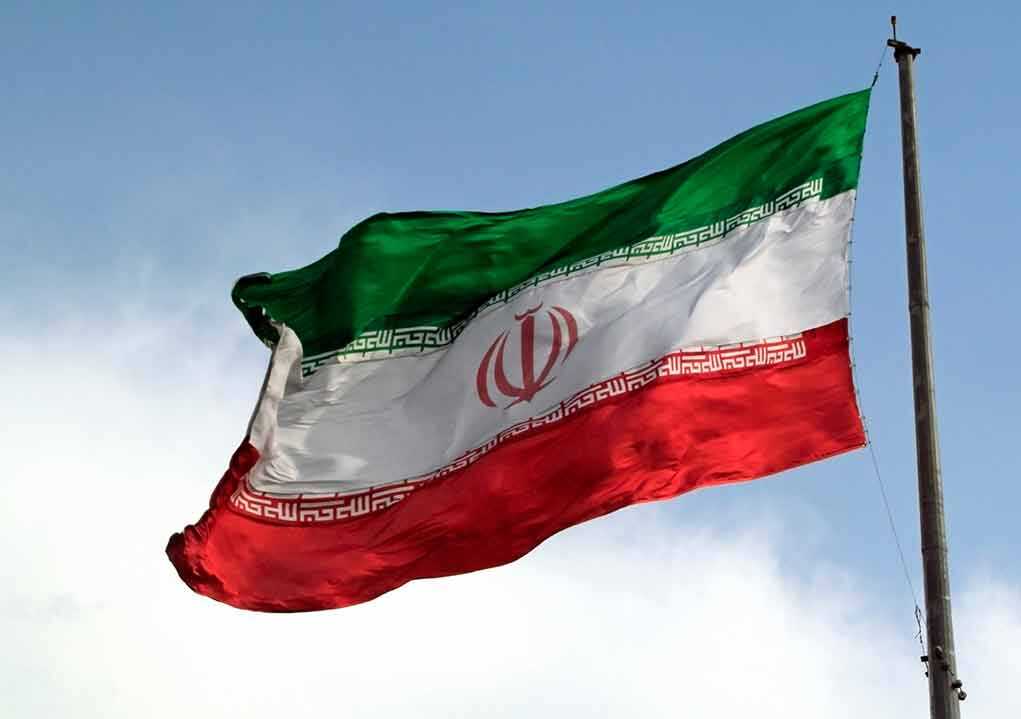
Iran’s president told Fox News the United States “must choose” whether the war ends, putting the next move squarely on Washington’s shoulders.
Story Highlights
- Iran’s President Masoud Pezeshkian said Tehran does not want to keep fighting and that the United States must decide to end the war.
- The remarks aired on Fox News during his New York trip for the United Nations General Assembly.
- Iran’s official site echoed that Iran did not start the war and prefers dialogue over force.
- Several outlets carried the same core quote, signaling a coordinated message.
Pezeshkian’s Message on Fox News Places Decision on Washington
Iranian President Masoud Pezeshkian said on Fox News that Iran does not want to continue the war and that the United States “must choose” if it wants to end it. The interview aired while he was in New York for the United Nations General Assembly. The line was direct and left little room for doubt about his framing of responsibility. He also said the war was imposed on Iran, not chosen by Tehran, which set a clear blame line in public view.
Iran’s official presidential website later posted a summary that matched the interview’s tone. It said Iran did not start the war and supports solving disputes through dialogue, not “killing one another.” That echoed the same message broadcast in the Fox interview. The website language aimed to show a path to talks without surrendering leverage or pride. This pairing of a public off-ramp with firm rhetoric is a known feature of crisis messaging.
Coordinated Echo Across Major Outlets Suggests Deliberate Signal
Reuters reported the comments and placed them during the United Nations week, underscoring that Pezeshkian delivered the line on a major U.S. network with a large audience. Channel NewsAsia, Le Monde, and USA Today also carried the same basic wording. When multiple outlets publish the same quote and setting, it points to a deliberate diplomatic signal rather than a stray remark. The core message stayed consistent across stories and platforms.
The broader pattern fits high-stakes bargaining. Leaders often say they want peace while pressing the other side to make the next move. That lets them claim openness to talks without looking weak at home. Pezeshkian’s quote slots into that mold: he paired an appeal to dialogue with a firm stance on responsibility. Reports also noted he warned of a strong response if attacks continue, which keeps deterrence in play while he holds the door to talks open.
What the Statement Means for U.S. Policy Under President Trump
The statement challenges Washington to define the next step. The Trump administration has stressed peace through strength and the need for real changes in hostile behavior. Any move now must protect American forces, allies, and shipping lanes. It also must not reward aggression. If Iran truly favors dialogue, it can show it with concrete steps that cut risk at sea and across the region, while the United States maintains pressure until actions match words.
US-Iran Tensions
After US President Donald Trump rejects Iran’s 7-day ceasefire proposal, Iranian President Masoud Pezeshkian says, 'Don’t trust talks with Washington… resolve the Hormuz crisis through diplomacy, not force.'@akankshaswarups & @HeenaGambhir explain Iran’s… pic.twitter.com/5CZgFgTwnq
— TIMES NOW (@TimesNow) September 26, 2026
The record so far shows talk about talks, not a detailed plan. Public reports do not list clear terms from Tehran for a ceasefire, a timetable, or outside checks. That means U.S. officials will likely look for real-world proof, not only quotes. Iran’s claim that “the war was imposed on us” also clashes with years of proxy attacks and regional pressure. Ending the war will require verifiable steps that stop violence, not just a televised line or a website post.
Bottom Line: An Open Door Framed as America’s Choice
Pezeshkian used the Fox News stage to say Iran does not seek more war and that the United States must choose the endgame. His government’s website backed that up and called for dialogue. Several outlets confirmed the same line and context. That suggests a clear diplomatic message aimed at U.S. leaders and voters. The next move, however, depends on actions that reduce threats and protect American interests, not only on words that sound calm in New York.
Sources:
youtube.com, x.com, channelnewsasia.com, trtworld.com, yahoo.com