
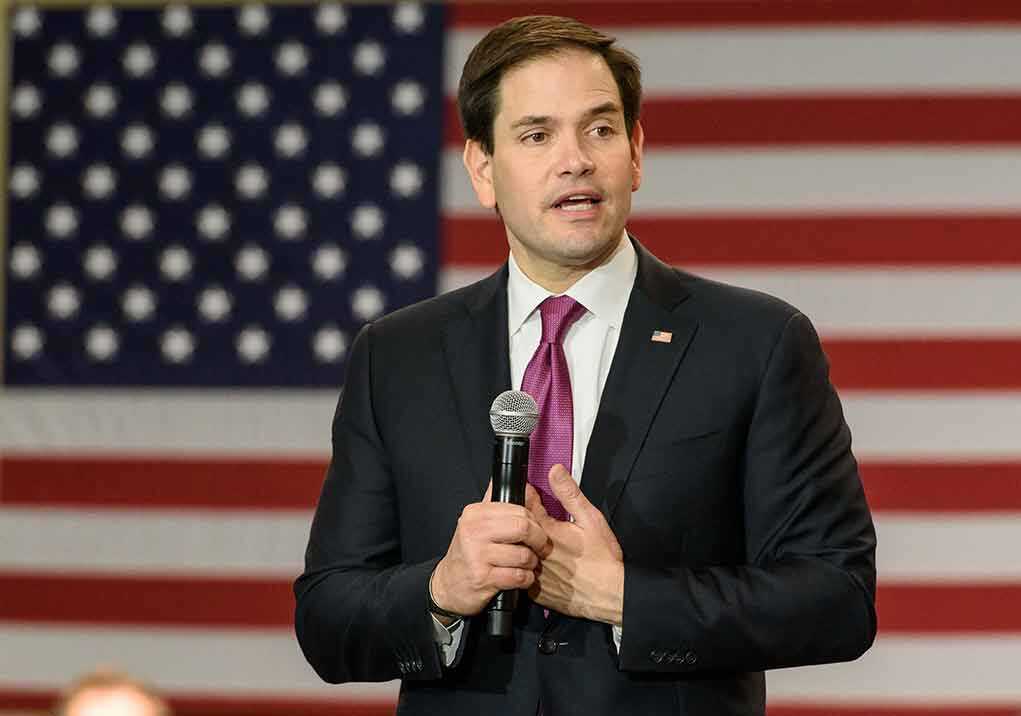
Secretary of State Marco Rubio warned that no responsible nation can keep its borders open to mass migration without severe costs to security and social order.
Story Highlights
- Rubio said countries cannot absorb uncontrolled migration and must secure borders.
- He stressed orderly, lawful immigration over open borders and chaos.
- Reports show he delivered similar warnings to European leaders earlier this year.
- Analysts note fiscal impacts of immigration vary by skills and integration success.
Rubio’s Core Message: Orderly Immigration, Secure Borders
Secretary of State Marco Rubio stated that no responsible government can allow open borders and a flood of entrants. He argued that immigration must occur through an orderly, lawful process, not through mass surges that strain communities and services. Rubio framed his view as common sense: every nation has limits and duties to its citizens. He drew a line between legal immigration built on rules and screening, and uncontrolled flows that overwhelm capacity and erode public safety and trust.
Rubio’s statement aligns with the Trump administration’s broader focus on sovereignty, law, and border control. He tied the issue to practical concerns: local schools, hospitals, and policing cannot shoulder endless spikes in demand. He emphasized that secure borders protect workers, families, and national identity. He said the goal is not zero immigration, but smart limits that defend the rule of law and allow newcomers to integrate without breaking systems that taxpayers fund and rely on daily.
Warnings Echoed Abroad and Across 2026
Major outlets reported Rubio’s repeated warnings to European leaders about mass migration earlier this year. Coverage from a major United States newspaper noted he called for much stricter limits on who enters and settles, highlighting risks when flows outpace state capacity. Regional reporting summarized his view that both Europe and the United States have seen harmful effects when border control fails. The theme is consistent: borders exist to be defended, and policies must match real-world limits, not wishful thinking.
Rubio also linked migration shocks to broader security concerns in diplomatic settings. He raised the danger of sudden surges and stressed prevention before crises spiral. In joint appearances with allied leaders, he argued that humanitarian aid and regional cooperation should aim to stop uncontrolled waves in the first place, not only react when systems buckle. The message from Washington is firm: plan, deter, and enforce, so communities are not left to pay the price after the fact.
Capacity, Costs, and What the Research Says
Economic research often finds immigration’s net budget impact is small overall, but it varies by who arrives and how fast they find work. Studies from the Organization for Economic Cooperation and Development report that high-skilled immigrants usually contribute more than they cost, while low-skilled or humanitarian inflows can strain budgets in the short run if integration lags. That variability reinforces Rubio’s point about limits and order: the mix and pace matter for schools, housing, and local services.
Policy studies also show borders are not “beyond control.” Tools that set clear rules, enforce consequences, and align with labor needs can reduce illegal crossings and chaos. Outcomes depend on whether governments match enforcement with lawful, paced channels that fit their economies and culture. These findings support a strategy of firm borders plus targeted legal entry, rather than open-ended inflows that swamp capacity. That is the balance Rubio says sovereign nations must strike to protect citizens and maintain order.
What It Means for American Families and Communities
Local communities carry the first impact when migration turns into a surge. School districts must add seats and language support fast. Hospitals and clinics face long lines and higher costs. Police departments handle more calls with the same staff. Home prices and rents can spike when supply is tight. Rubio’s call for borders first responds to these bread-and-butter pressures. He argues that controlled, legal immigration helps workers and families. Uncontrolled inflows punish them and reward smugglers.
For conservatives, the stakes reach beyond budgets. The rule of law, national security, and cultural stability are all on the line. Clear borders defend those values. They also protect legal immigrants who follow the rules and want a fair shot. Rubio’s stance fits President Trump’s policy focus on sovereignty: stop chaos at the border, set firm limits, and welcome newcomers who come the right way. That approach aims to restore order, lower costs, and put American families first.
Sources:
democrata.es, foxnews.com, academic.oup.com, cidob.org