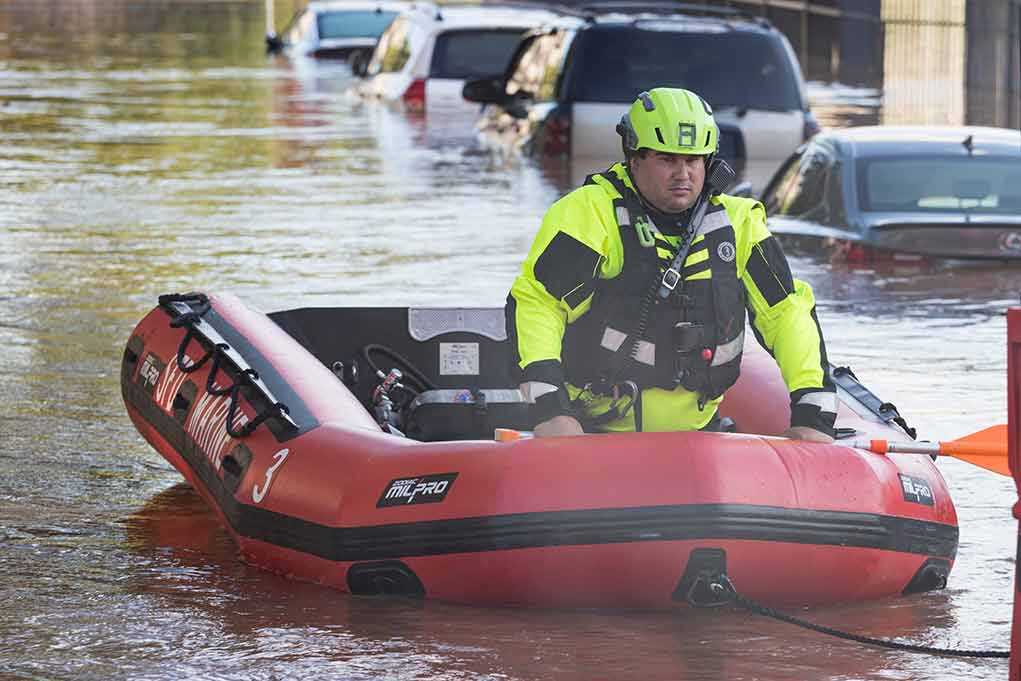
Bangkok declared all 50 districts a disaster zone after nearly 300 millimeters of rain in two days left major roads underwater and lives at risk.
Story Highlights
- Bangkok’s governor declared the entire city a disaster-affected area after torrential rain
- Nearly 300 millimeters of rain fell in 48 hours, submerging roads and cars
- Officials raced to drain canals and warned of more storms over the weekend
- City-wide status unlocks emergency powers for faster flood response
Citywide Disaster Status Follows Torrential Downpour
Bangkok authorities declared Thailand’s capital a disaster-affected zone after days of heavy rain flooded streets across all 50 districts. Reporters on the ground described cars partly submerged and people wading through deep water. The city’s governor said the situation posed risks to life and property as more storms were forecast. The formal step activated emergency tools for faster rescue, drainage, and relief across the city’s network of canals and roads.
Meteorologists and local officials tied the surge in floodwaters to an intense two-day downpour. Nearly 300 millimeters, or about 12 inches, fell within 48 hours. Drainage channels struggled to keep up, which caused backups on major corridors. Photos and videos showed entire lanes turned into rivers. Crews deployed pumps and cleared chokepoints to move standing water toward canals. Officials warned drivers to avoid low-lying roads until levels dropped further.
Flooding Disrupts Transport and Daily Life Across 50 Districts
Flooding hit east-side districts especially hard, but the impacts spread citywide. Commuters faced long delays as traffic slowed or stopped on key routes. Some residents closed shops and sheltered at home. City teams worked in shifts to manage pumps, inspect canal gates, and keep debris out of drains. The governor said waters should recede after the rain eases, but urged patience while crews push excess water out of crowded canals toward larger waterways.
Officials stressed that the disaster declaration helps cut red tape and speed local action. The status lets agencies move equipment, hire services, and coordinate shelters more quickly. It also supports relief for damaged homes and businesses. Emergency managers said the goal is to drain surface water within days once rainfall subsides. They added that more storms could slow that timeline, so residents should monitor alerts and avoid flooded underpasses and alleys until levels fall.
Why Bangkok Floods So Fast—and What Comes Next
Bangkok sits on a low river delta crisscrossed by canals. That geography leaves neighborhoods exposed when intense rain falls in a short window. High population density and paved surfaces add runoff that overwhelms drains. Officials have used citywide disaster designations before to manage major rain events. This approach signals urgency and helps align crews across districts to pump water, secure power, and protect hospitals and key roads during peak flooding.
Bangkok: the governor declared all 50 districts a disaster zone after ~300mm of rain — streets became rivers, cars underwater, waist-deep flooding. Rescue crews out in boats; rain ongoing. Are you seeing this? Music: 'Aces-High' by Kevin MacLeod (CC BY 4.0) #Bangkok #Thailand… pic.twitter.com/coCqpE2MPU
— Talking Shit From The Sauna (@talkingshitfrom) September 28, 2026
The latest declaration mirrors a standard playbook for urban flood response. First, authorities stabilize drainage, then clear roads, and finally assess damage. The governor said conditions had begun to stabilize in some areas as pumping continued. If rain slows, crews expect visible improvement within two to three days. Residents were asked to limit travel, keep phones charged, and watch for city messages on detours and cleanup. Officials said they will update timelines as canal levels change.
Sources:
youtube.com, reuters.com, independent.co.uk, businesstimes.com.sg