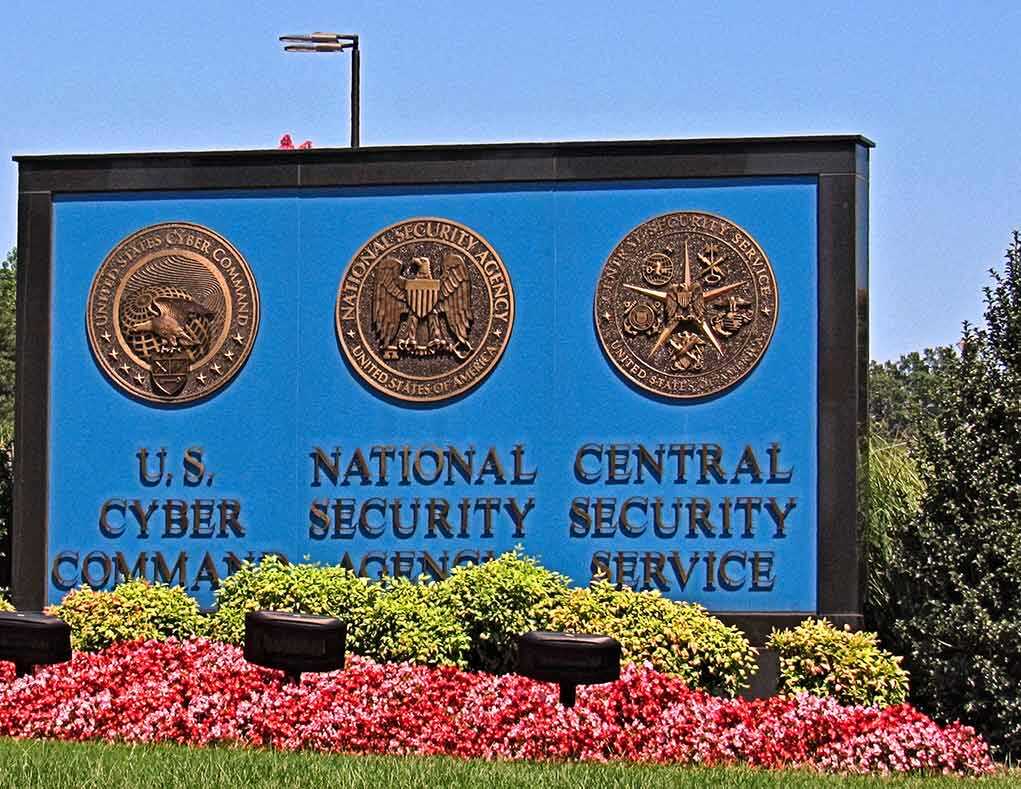
Five suspected suicides in about five weeks at Fort Meade’s cyber units triggered a formal “suicide cluster” response inside the Pentagon, jolting America’s front line in the digital fight.
Story Highlights
- Reports say five people tied to U.S. Cyber Command and the National Security Agency died by suicide in roughly a month.
- Pentagon officials treated the pattern as a “suicide cluster,” prompting targeted attention.
- Cyber Command leaders acknowledged multiple deaths in an internal June email to staff.
- Congress received a Cyber Command briefing and is weighing stronger mental-health support.
What Happened At Fort Meade
Multiple outlets reported that at least five people who worked in or alongside United States Cyber Command and the National Security Agency at Fort George G. Meade died by suicide between early June and early July 2026. Officials described the number as unusually high for such a short period. Coverage says the Pentagon classified the pattern as a “suicide cluster,” which is used when deaths occur closer together than expected and need specific intervention. Officials have not publicly linked the deaths to a single cause.
Bloomberg-linked reporting and other summaries say Cyber Command leadership acknowledged three suicides in a June email to personnel, showing the issue reached command attention early in the timeline. Reports also say United States Cyber Command briefed members of the House Armed Services Committee on the situation, reflecting rising concern at the oversight level. A Pentagon spokesperson offered condolences and said the military remains focused on prevention, as the command continues its internal review.
Why This Matters For Readiness And Mission
United States Cyber Command helps defend the nation from foreign hackers, spies, and cyber threats. The team’s daily work is intense, time-sensitive, and often classified. Research has long found that cyber operators face real stress from rotating shifts, fast tempo, and long hours, all of which can drive burnout if leaders do not manage the load well. An earlier defense-focused report urged the department to reassess support for cyber operators after Congress pressed for a review in 2023.
Reports say Cyber Command began embedding mental-health clinicians at Fort Meade months before the cluster became public, suggesting leaders saw stress warning signs and moved to add care options on site. That choice matches what experts recommend in high-tempo units. Easy access to support can help operators who are reluctant to step away from a mission. It can also reduce stigma by placing care inside the workspace, not far away at a hospital or clinic.
What Congress And The Pentagon Are Doing Now
Members of Congress received a briefing from United States Cyber Command and pledged to improve mental-health support for cyber units operating at Fort Meade and beyond. Lawmakers are weighing how to speed hiring for clinicians, expand peer-support teams, and increase confidential counseling options close to the mission floor. Breaking Defense reported that the department has admitted existing resources are not enough to meet the rising need, especially as cyber operations expand.
The Pentagon’s “suicide cluster” designation triggers targeted steps. These can include surge counseling capacity, command-level messaging, and leader engagement across units. The goal is to stabilize the force and to reduce the chance of further deaths. Officials have not released causal findings. Reporting states that work-related factors have not been confirmed as the driver, and that the affected population spans people who worked in or supported the mission, which complicates precise counts.
The Workload And Burnout Context
Academic and defense research shows cyber mission tempo can push fatigue and cognitive strain to high levels over time, especially with rotating shifts and hard deadlines. Studies tied to National Security Agency tactical operations report rising operator workload across long tasks, which increases error risk and stress. That is why policy makers have pressed for better staffing, schedule stability, and rapid access to care during surge periods. These steps protect people and keep the mission sharp when threats spike.
Leaders at Fort Meade face a hard balance. They must meet real-world threats from hostile states while guarding the well-being of the Americans behind the keyboard. The United States cannot afford to lose trained cyber operators to burnout or despair. Transparent communication with Congress, strong on-site care, and smart scheduling are practical tools that respect both the mission and the people who carry it out. Officials say prevention remains the priority while reviews continue.
Sources:
techtimes.com, inview.info, mallory.ai, unz.com, wtop.com, x.com