

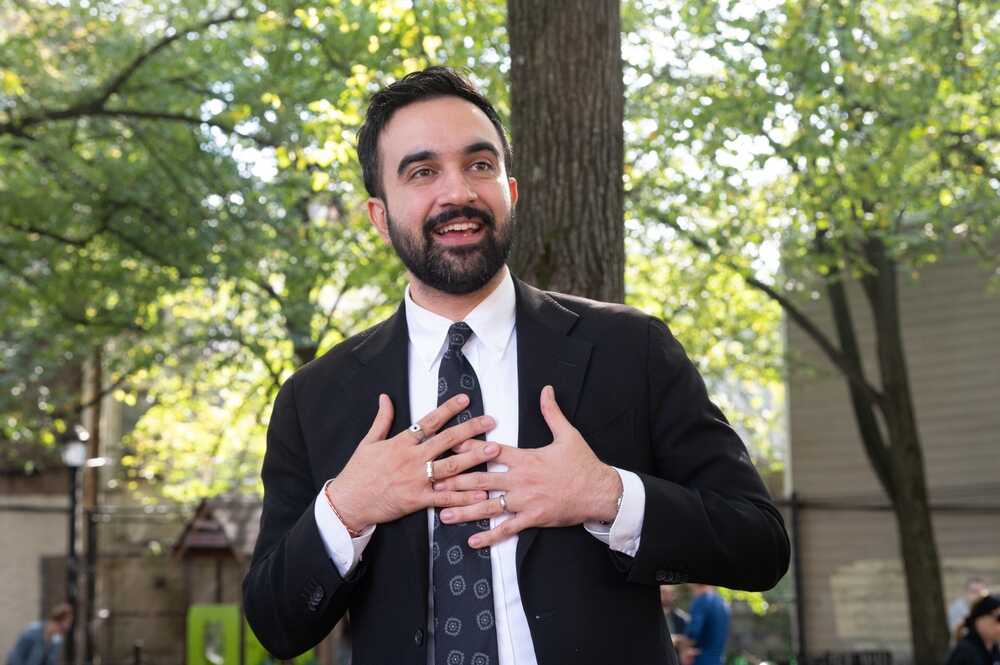
New York City Mayor Zohran Mamdani has moved to block federal immigration agents from city property without a judicial warrant, putting sanctuary rules back at the center of the fight over local control.
Quick Take
- Mamdani signed Executive Order No. 13 on February 6, 2026, and said it would strengthen New York City’s sanctuary protections.
- The order bars federal immigration agents from entering city-controlled property without a judicial warrant.
- The policy covers places like schools, shelters, hospitals, parking garages, and parking lots.
- The order also limits the sharing of city data with federal immigration authorities and calls for agency audits.
What the order does
Executive Order No. 13 says non-city law enforcement may not use city lots as staging areas, processing sites, or operations bases unless they have a judicial warrant or another narrow legal basis. The order also says New York City agencies must protect private information gathered for city purposes and must review their own policies for compliance. City officials framed the move as part of a broader effort to keep residents using public services without fear of immigration enforcement.
The order followed a public announcement at the annual Interfaith Breakfast, where Mamdani signed the measure and tied it to the city’s sanctuary status. Reporting on the announcement said the restrictions apply to city-owned spaces, including schools, shelters, hospitals, and parking facilities. The city also said the executive order would lead to audits of agency practices and training for employees who interact with federal immigration agents.
Why supporters see it as a shield
Supporters of the policy say it protects families who need schools, shelters, and hospitals and should not have to worry about federal agents inside those places. The city’s own release says the order is meant to protect the privacy and data of immigrants and all residents while limiting federal immigration enforcement on city property. That lines up with a long-running sanctuary approach that treats local services as off-limits unless the law clearly says otherwise.
The move also fits a wider pattern in American cities that have adopted limits on Immigration and Customs Enforcement access to local property. Research on “ICE-free zone” policies shows that cities often block the use of municipal lots, garages, and other facilities for immigration enforcement. Legal fights over these rules have continued, but courts have generally treated them as part of local control under the Constitution’s anti-commandeering principle.
The legal and political fight ahead
The main legal point is simple: the city says federal agents need a judicial warrant before entering protected city property. That is a narrower standard than the administrative warrants Immigration and Customs Enforcement often issues itself. The administration’s own order also builds in exceptions for emergency situations, formal agreements, and cases required by law, which suggests city lawyers are trying to draw a line they believe can hold up in court.
The political message is broader than the legal text. Mamdani’s order rejects the idea that federal immigration officers should move freely through New York’s public spaces, even when those spaces serve vulnerable people. For conservative readers, the dispute matters because it raises a familiar question: how much power should city leaders have to carve out zones that limit federal law enforcement, especially when local officials say they are acting to defend sanctuary policy rather than cooperate with Washington.
Sources:
pjmedia.com, nyc.gov, youtube.com, ibtimes.co.uk, nyic.org, bkmag.com, trtworld.com, thechiefleader.com, facebook.com, nypost.com, instagram.com, abc7ny.com, aa.com.tr, politico.com, nationaltoday.com, cbsnews.com, usatoday.com, vera.org, law.berkeley.edu, cis.org, thestute.com, nilc.org