
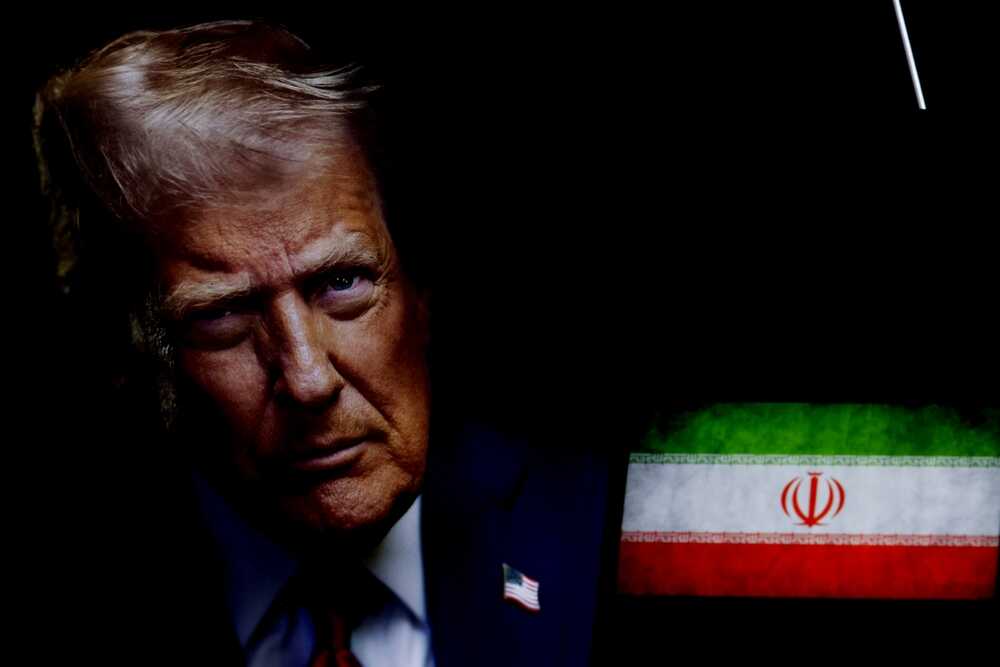
Iran attacked three commercial ships in the Strait of Hormuz, the U.S. struck over 80 Iranian military targets in response, and President Trump stood at the NATO summit in Ankara and said the ceasefire is “over” — but he’s still letting his negotiators talk.
Story Snapshot
- Iran attacked commercial vessels in the Strait of Hormuz, triggering U.S. Central Command strikes on more than 80 Iranian military targets on July 8, 2026.
- Trump declared the ceasefire “over” at the NATO summit in Ankara, calling Iran’s leaders “liars” and accusing them of agreeing to deals privately then denying them publicly.
- Despite his personal rejection of the peace process, Trump said he would let negotiators Steve Witkoff and Jared Kushner keep talking with Iran.
- The U.S. confirmed it would revoke sanctions waivers, saying Iran would “only reap benefits” from the memorandum of understanding if it showed “good behavior.”
Iran Attacked Ships — Then the U.S. Hit Back Hard
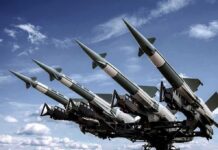
Iran attacked three commercial vessels in the Strait of Hormuz in the hours before Trump’s announcement. U.S. Central Command responded by striking more than 80 Iranian military targets on July 8, 2026. The strikes were direct retaliation for the maritime attacks. The Strait of Hormuz is one of the world’s most critical shipping lanes, and Iran’s decision to target commercial ships there was a clear provocation that could not go unanswered.
The memorandum of understanding signed in June 2026 was built on a simple idea: Iran behaves, Iran benefits. U.S. officials confirmed the deal was “entirely performance-based” and that Iran would lose its sanctions relief the moment it stopped acting in good faith. Iran’s attacks on commercial ships made the answer clear. The Office of Foreign Assets Control moved to revoke sanctions waivers as a direct result.
Trump Calls It Over — but Keeps the Door Cracked
At the NATO summit in Ankara on July 8, 2026, Trump was blunt. “For me, I think it’s over,” he said. “As far as I’m concerned it’s just a waste of time.” He accused Iran’s leaders of agreeing to terms behind closed doors, then walking outside and telling the press they never discussed anything. That kind of bad faith — making a deal and then lying about it — is exactly what makes lasting diplomacy with Iran so difficult.
Even so, Trump stopped short of shutting down talks entirely. “I’ll let our wonderful negotiators keep talking if they want,” he said, “but I don’t see it.” Witkoff and Kushner remain on the job. That split — Trump personally done with the deal while his team keeps the line open — reflects a deliberate pressure strategy. Iran knows military force is on the table. Talks continue, but on American terms.
Iran Calls It a Violation — but Has No Clean Hands
Iran’s Foreign Ministry called the U.S. strikes a “flagrant violation of international law” and said the attacks made the April 8 ceasefire meaningless. Foreign Minister Abbas Araghchi said Iran would only return to talks if U.S. attacks stopped. That sounds reasonable on the surface — but Iran was the one that attacked commercial ships first, triggering the U.S. response. Iran has not addressed that fact directly or disputed the specific target count that Central Command confirmed.
BREAKING: President Trump says Iran has requested to continue talks.
He says the U.S. has agreed to continue discussions while making clear that the ceasefire is over. pic.twitter.com/xpCvMUgWU9
— NowCast Global (@nowcastglobal) July 10, 2026
This pattern is not new. The April 2026 ceasefire lasted just 13 days before fighting resumed. The June 2026 memorandum of understanding faced immediate strain from maritime attacks and missile exchanges. Iran has a long record of accepting ceasefires, testing their limits, then crying foul when the U.S. responds. Trump’s frustration is not just rhetoric — it reflects a real and documented history of Iran negotiating in bad faith while continuing to destabilize the region.
Sources:
facebook.com, washingtonpost.com, pbs.org, youtube.com