
Online marketplaces are flooded with “potentially lethal” baby pillows, sleeping bags, and feeders that can quietly turn a nursery into a danger zone for our youngest children.
Story Snapshot
- UK watchdog Which? flagged 150 baby products on major marketplaces as potentially lethal for infants.
- Self-feeding devices, sleep pillows, and unsafe sleeping bags can cause choking, suffocation, and deadly breathing problems.
- Global third‑party sellers exploit weak oversight, pushing risky baby gear into American and UK homes through big platforms.
- Parents are left to act as “product testers,” while regulators debate safety and online giants move slowly.
Watchdog Finds 150 “Potentially Lethal” Baby Products Online
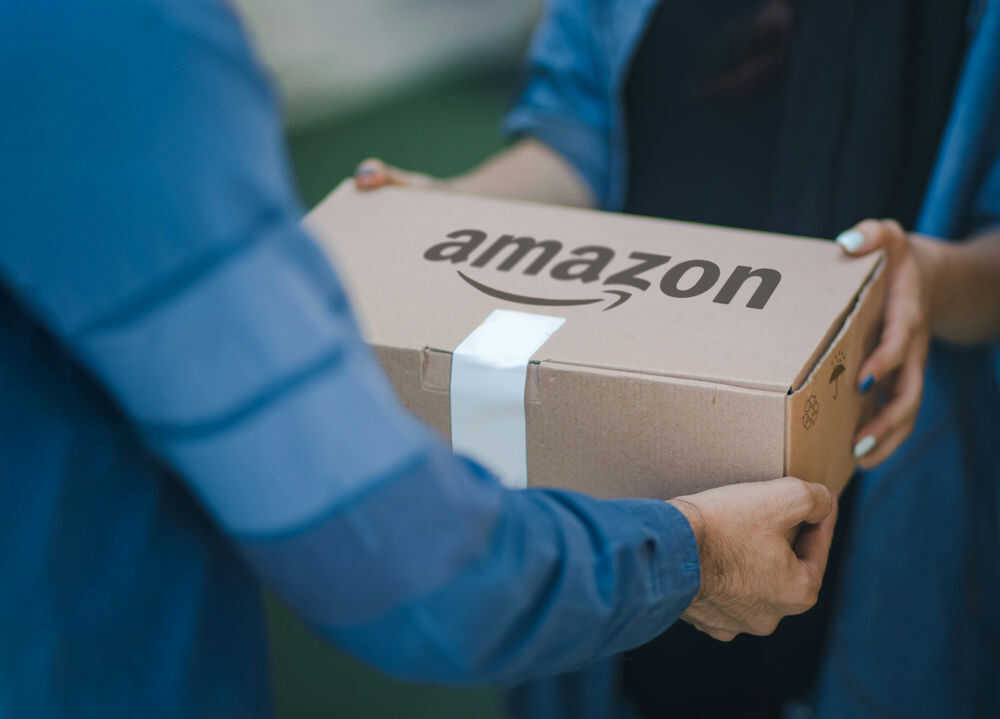
UK consumer group Which? investigated major online marketplaces and found about 150 baby products they say are “potentially lethal” for infants. These items were not hiding on shady sites. Researchers saw them on huge platforms, including Amazon, TikTok Shop, eBay, Wish, Alibaba, AliExpress, Etsy, and OnBuy. Many were sold by third‑party vendors using glossy photos and soft language, even as designs created clear risks of choking or suffocation for babies.
Which? focused on three kinds of products already flagged by UK safety officials: baby self‑feeding devices, baby sleep pillows, and baby sleeping bags. These categories had previous alerts from the Office for Product Safety and Standards, so the watchdog wanted to see how many unsafe versions were still being sold. Their answer should worry every parent: dozens of listings for each risky product type, all easy to buy with a few clicks and often marketed as “must‑have” helpers for busy families.
How Self‑Feeding Devices and Sleep Gear Put Babies at Risk
Self‑feeding baby products prop a bottle so a baby can drink with little or no help from an adult. Safety officials warn that this setup can cause choking or aspiration pneumonia, a serious lung problem that can be fatal, because young babies cannot control the flow of milk or push the bottle away when they struggle. The UK safety alert from 2022 made this clear, yet Which? still found many of these devices for sale on mainstream platforms, reaching parents who may assume they are tested and safe.
Baby sleep pillows were also under a 2025 safety alert, especially those marketed for infants under 12 months. Officials warned that these pillows can lead to suffocation or overheating, both known causes of sudden infant death. Flat, firm sleep surfaces are safest for babies, but many of these pillows create soft pockets around a baby’s face or raise the head, which can block small airways. Experts have already connected similar products, like infant sleep positioners and loungers, with deadly positional asphyxiation.
Dangerous Sleeping Bags and Third‑Party Seller Loopholes
Which? researchers also flagged 59 baby sleeping bags sold on platforms like Amazon, Alibaba, AliExpress, eBay, Etsy, and Wish that they believed were unsafe. Some had hoods that could cover a baby’s head and face, while others lacked arm holes or combined both flaws, making it easy for a sleeping infant to slip down inside and suffocate. Safe sleeping bags are meant to keep a baby warm while keeping the head uncovered and body secure. These designs did the opposite, turning a comfort item into a trap.
Consumer Reports recently showed that this is not just a UK problem. When they reviewed baby product pages on Amazon, Walmart, Target, and Temu, they found items that were banned or restricted under United States law still for sale on three of the four platforms. Even padded crib bumpers, outlawed in 2022 because of suffocation deaths, were still listed on Amazon and Temu. This pattern mirrors the UK findings: big marketplaces claim strong safety rules, but dangerous baby gear keeps slipping through, especially from cross‑border third‑party sellers.
Parents Caught Between Watchdogs and Marketplace Giants
Data from the Pacific Legal Foundation shows that most crib‑related deaths since 2002 involved misuse rather than product defects, yet regulators still move to ban whole categories based on “foreseeable misuse.” Some critics call this paternalistic and uneven. But in the real world, parents see something different: unexplained recalls, scary news alerts, and a flood of cheap gear that no one clearly stands behind. As one investigative report put it, moms and dads are often turned into “product testers,” with their own babies as the subjects.
CONSUMER NEWS
'Which?' magazine warns of potential product risks to babies
Babies are being put at risk by dozens of potentially lethal infant products sold to UK parents on major online marketplaces, an investigation has found.
The consumer champion Which? [that saw its… pic.twitter.com/L3bommYkHe
— Grouse Beater (@Grouse_Beater) July 8, 2026
The Consumer Product Safety Commission in the United States has started writing new rules for items like infant support cushions, trying to close loopholes before more tragedies happen. Yet online marketplaces still move faster than government, and overseas sellers can spin up new listings in hours. For conservative families who value parental rights, this mess cuts two ways. They want freedom from heavy‑handed rules, but they also expect basic honesty: if a product is sold on Amazon or a similar site, it should not secretly threaten a baby’s life. That means tough, targeted enforcement on truly dangerous designs and real transparency from the tech and retail giants that profit from every click.
Sources:
consumersafety.org, capt.org.uk, babylist.com, youtube.com, greenpeople.co.uk, fda.gov, consumerreports.org, aol.com, facebook.com, instagram.com, cpsc.gov, sciencedirect.com