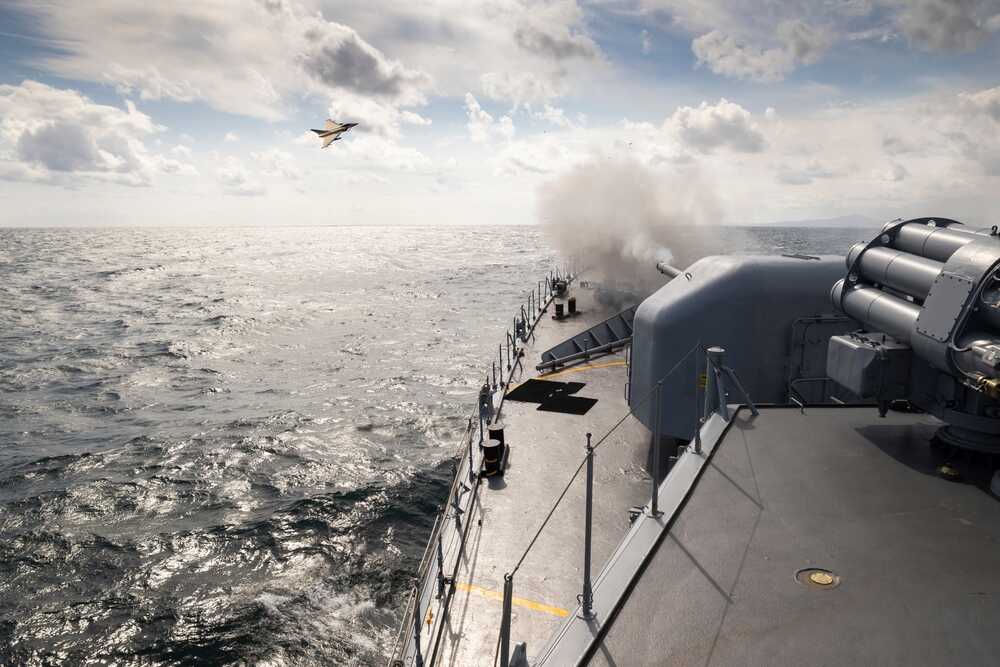
U.S. strikes on Iran are now tied to a shipping attack in the Strait of Hormuz, and the fight is widening fast.
Quick Take
- U.S. Central Command confirmed strikes on Iranian missile and drone storage sites and coastal radar sites.
- The strikes followed an attack on the Singapore-flagged M/V Ever Lovely in the Strait of Hormuz.
- Reuters and National Public Radio both reported fresh U.S. action after new attacks on shipping.
- Public reports say the broader clash is still shaped by ceasefire violations and retaliation.
What CENTCOM Said About the Strikes
U.S. Central Command said its forces struck Iran on June 26 after an attack on a commercial ship in the Strait of Hormuz. The command said U.S. aircraft hit Iranian missile and drone storage locations and coastal radar sites after the M/V Ever Lovely was hit by a one-way attack drone on June 25. That official statement matters because it gives the clearest public account of why the strike happened.
National Public Radio reported the same basic sequence, saying American warplanes hit missile and drone storage locations along Iran’s coast and coastal radar installations. Reuters also reported that U.S. forces carried out fresh strikes after a Panama-flagged tanker was attacked by an Iranian drone, showing that the shipping lane remains the trigger point for the latest round of force. For readers who care about borderless chaos and weak deterrence, the message is simple: attacks on commerce are bringing hard military answers.
Why the Strait of Hormuz Still Matters
The Strait of Hormuz is not a side issue. It is one of the world’s most important shipping routes, and the available reports say both sides are treating vessel attacks as a direct threat to navigation. CENTCOM said Iran’s actions violated the ceasefire and undermined freedom of navigation, while other reports said the latest strikes were meant to answer renewed attacks on ships moving through the corridor. That is why the fight keeps coming back to the waterway.
This latest round also fits a familiar pattern. Reuters and other outlets described U.S. strikes as limited self-defense, while Iranian-linked responses and later U.S. action kept the exchange alive. The public record does not show a clean, final break in the violence. It shows retaliation, more retaliation, and a tense pause that can collapse the moment shipping is hit again. That is the reality driving the story, not the political language around it.
What Is Clear, and What Is Not
The strongest facts are narrow and solid. CENTCOM confirmed the June 26 strikes and named the targets. Reuters, NPR, and Al Jazeera all reported fresh U.S. strikes after new shipping attacks in the same period. What is not clear from the available material is whether the strike campaign ended there or continued in other forms. The reports also do not establish every detail of damage at each site, which leaves room for later verification.
🚨 BREAKING: Iran calls US airstrikes a 'war crime' after 48h of bombing strategic infrastructure. Strait of Hormuz at risk — 20% of global oil supply. $WTI already surging. Will oil hit $100 next?
Follow to not miss the next move.#Iran #OilCrisis #GeopoliticsMeetsMarkets
— GlobalFlash (@GlobalFlash_Cam) July 9, 2026
For a conservative audience, the main takeaway is that the Trump administration is defending commercial traffic and answering hostile action with force. That fits a plain old common-sense view of national security: if a foreign power hits ships in a key trade lane, the United States has to respond. The bigger concern is that the conflict keeps forcing the country into another cycle of escalation, where weak deterrence only invites more tests of American power.
Sources:
centcom.mil, reuters.com, youtube.com