Israel’s sudden pause on planned strikes against Beirut shows how close the region came to another dangerous spiral—and how much pressure Washington is quietly applying behind the scenes.
Story Snapshot
- Israel postponed planned strikes on Beirut after a direct request from the United States, according to Israeli officials.
- President Trump said he personally pressed Prime Minister Benjamin Netanyahu and claimed Israeli forces heading toward Beirut were turned back.
- Israeli leaders are signaling the pause is tactical and conditional, not a permanent restraint, keeping military options open.
- Iran has reacted to ongoing Israeli operations in Lebanon by suspending negotiations with the United States, raising the stakes for U.S. security.
U.S. Pressure Triggers Israeli Pause On Beirut Strikes
Following President Donald Trump’s announcement of a new Lebanon ceasefire, an Israeli official told the Ynet outlet that Israel postponed planned strikes on Beirut at the specific request of the United States, confirming that the operation had been coordinated with Washington in advance.[1] That source indicated the strike plan was real but put on hold because the United States is advancing a broader ceasefire initiative and asked Israel to wait, linking battlefield timing directly to American diplomatic strategy.[1] Another regional report states that Israel agreed to halt attacks on the Lebanese capital at the request of the United States as part of preparations for expected direct talks, with one Israeli diplomatic source adding that Jerusalem does not currently see major military targets inside Beirut.[2] Together, those accounts show not a cancellation but a pause: Israel kept the option on the table while temporarily stepping back under American urging and in the context of ongoing negotiations, rather than permanently renouncing potential action.[1][2]
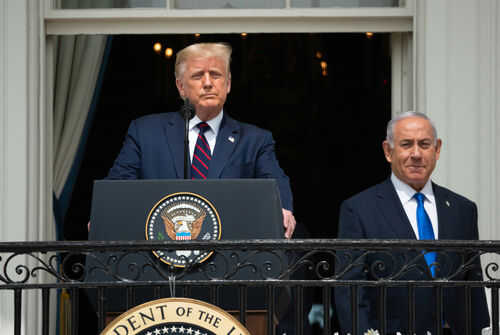
President Trump’s own description of events goes further, emphasizing his personal role and the immediacy of the change on the ground. In a segment carried by international broadcasters, Trump said that after backchannel communications, Israel and the Hezbollah organization had agreed to halt fighting, adding that Hezbollah would stop attacks if Israel halted strikes on Beirut and southern Lebanon.[3] Trump claimed that Israeli troops heading toward Beirut were turned back following his call with Prime Minister Benjamin Netanyahu, and later reiterated on social media that Netanyahu had “turned his troops around” from a planned major raid on the Lebanese capital.[3] While Israeli officials have not publicly confirmed every detail of that account, the combination of Israeli sourcing and Trump’s statements supports the basic picture: a planned escalation toward Beirut was slowed or stopped at Washington’s request as the White House tried to lock in a fragile ceasefire and broader regional talks.[1][3]
Netanyahu Signals Conditional Restraint, Not a Full Climbdown
Even as reports described a pause, Israeli leaders continued to frame Beirut as a legitimate military target if Hezbollah rocket and drone attacks resume or intensify. Coverage of Prime Minister Netanyahu’s public remarks notes that he warned Israel would strike Beirut again if Hezbollah did not stop attacking Israeli territory, underscoring that restraint depended on enemy behavior rather than any binding political limitation.[3] This message fits a pattern seen throughout the current conflict, where Jerusalem balances international pressure with a clear determination to maintain deterrence and freedom of action against Iran-backed forces operating out of Lebanon.[1][5] On April 8, 2026, Israeli forces carried out significant attacks in Lebanon shortly after a ceasefire announcement in the separate Iran war, even as Hezbollah signaled a pause in attacks against Israel.[5] That episode shows how quickly “pauses” can give way to renewed strikes when Israel perceives new threats, and it reinforces the idea that the present halt on Beirut strikes is tactical and conditional rather than a durable strategic change.[3][5]
Media coverage from Europe further illustrates the tension between public declarations of de-escalation and on-the-ground realities. One broadcast explained that Israel had already ordered bombing of southern Beirut, prompting civilians to flee, even as Trump was telling audiences that after his conversations there would be no Israeli troops going to the Lebanese capital.[5] Commentators in that segment stressed that there had never been a confirmed plan to send ground troops into Beirut, but there was a declared plan to bomb the city, and Trump’s messaging left observers uncertain about what exactly had shifted.[5] That ambiguity is typical in wartime communication, where leaders highlight their role in stopping bloodshed while militaries keep options open and adjust timing rather than abolishing war plans. For conservative Americans, the key takeaway is that despite the current pause, Jerusalem still reserves the right to defend Israeli citizens, and Washington’s leverage appears focused on pacing and sequencing strikes rather than dictating core security decisions.[1][5]
Iran Uses Lebanon Crisis To Squeeze U.S. Negotiations
While Israel and the United States manage the Beirut strike question, Iran has seized on the Lebanon battlefield to apply its own pressure against Washington. A recent news report states that Iran has paused talks with the United States as Israel expands operations in Lebanon, with Iranian semi-official media saying negotiators halted communications over the ongoing Israeli strikes.[4] Iranian outlets also highlighted renewed rhetoric about blocking the Strait of Hormuz, a vital global energy chokepoint, signaling that Tehran is willing to threaten worldwide oil flows as leverage.[4] The same coverage notes that President Trump described an Iran deal as largely negotiated but insisted Tehran must agree never to obtain a nuclear weapon, turn over remaining enriched uranium, and reopen the Strait of Hormuz, making clear that the administration is demanding concrete, verifiable concessions rather than another weak nuclear arrangement.[4] That positioning stands in sharp contrast to earlier eras of appeasement and shows how the Trump White House is trying to use both economic and diplomatic pressure to contain Iran even as it works to keep the Israel–Hezbollah front from spiraling into a broader war.[4]
Trump personally announced an Israel-Hezbollah ceasefire — hours after Netanyahu’s strikes on Beirut. He wants the credit.
The peacemaker brand, a long-coveted Nobel, and US-Iran talks nearing an endgame all pushed him to hit pause.
The cost? A trailing Netanyahu cast as a… pic.twitter.com/83sgMZXNTo
— The future is unknown (@ricnjun) June 2, 2026
Domestic and international critics are already portraying Israel’s U.S.-pressed pause as either proof of reckless aggression or evidence that Washington is “backing” a so‑called genocidal campaign, language used by some activist organizations to describe Israeli operations. At the same time, Israeli hardliners and some commentators worry that too much American restraint could embolden Hezbollah and Iran if they conclude that Western pressure will always step in before decisive blows are landed.[1] For American conservatives, this moment underscores enduring questions: how far should the United States go in managing allies’ wars, what level of risk is acceptable to prevent wider conflict, and how can Washington support Israel’s right to self-defense without giving Iran, Hezbollah, or other terrorist actors a veto over regional security. The Beirut pause, while dramatic, should be viewed less as a permanent turning point and more as one move in a larger contest over deterrence, diplomacy, and the credibility of American power in a volatile Middle East.[1][2][3][4]
Sources:
[1] Web – Israel Says It’s Holding Off On Striking Beirut After U.S. Request
[2] Web – Benjamin Netanyahu orders Beirut strikes as Hezbollah-Israel …
[3] YouTube – Israel-Lebanon War: Netanyahu Warns Of Fresh Strikes On Beirut …
[4] Web – Israel Strikes Beirut for the First Time Since Ceasefire Announcement
[5] YouTube – Israel escalates attacks in Lebanon with strikes ordered on Beirut