
A glossy “peace deal” signed under Versailles chandeliers may calm oil markets, but it could also supercharge Iran and leave America holding the bag.
Story Snapshot
- Trump signed a 14-point memorandum with Iran at Versailles that ends fighting and starts reopening the Strait of Hormuz.
- The deal is an interim framework, not a final treaty, and launches 60 days of hard talks on nukes and sanctions.
- Iran gets fast oil money, a $300 billion reconstruction plan, and major sanctions relief if it behaves.
- Conservatives must watch that this “peace” does not reward a terror regime or weaken U.S. leverage in the Gulf.
What Trump Signed at Versailles — And What It Really Does
At the Palace of Versailles, President Donald Trump signed a United States–Iran memorandum of understanding that he and many outlets are calling a peace deal to end the Iran war and reopen the Strait of Hormuz.[1][3] The White House and foreign media say both Trump and Iranian President Masoud Pezeshkian have now signed, and that the agreement is in effect, with Pakistan, a key mediator, saying it “enters into force with immediate effect.”[3][7] The text declares an “immediate and permanent” end to military operations on all fronts, including Lebanon, and orders the United States to lift its naval blockade while Iran reopens the Strait for toll‑free shipping for at least sixty days.[11][19] Iran also pledges it will not acquire or develop nuclear weapons, while a $300 billion reconstruction and development plan for Iran is put on the table.[3][19]
The document is not a full treaty or final settlement. Senior officials and the text itself describe it as a fourteen‑point interim memorandum of understanding that sets a high‑level framework and deliberately defers “many of the most difficult issues” to a later, final deal.[10][2] The memorandum launches a sixty‑day negotiation window in Switzerland, during which both sides are supposed to hammer out nuclear terms, long‑term sanctions relief, and the future of Iran’s highly enriched uranium.[10][23] Analysts note this fits a familiar pattern with Iran: a political framework first, real enforcement and technical steps later, if they come at all.[20][21] That means the fanfare at Versailles marks the start of a risky phase, not the end of the story.
How Fast Do the Guns Go Silent and the Oil Start Flowing?
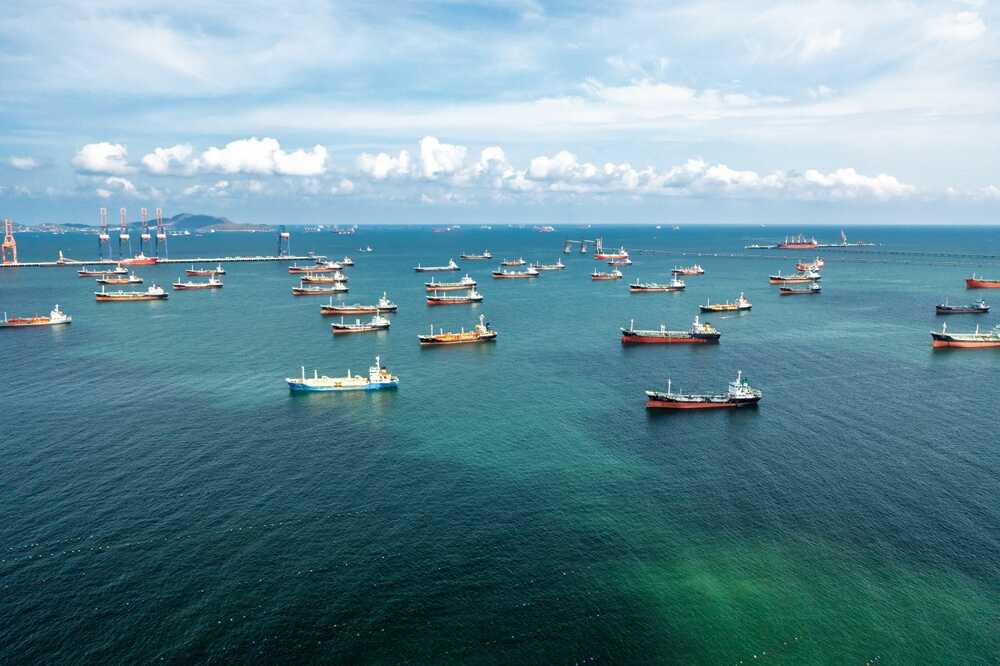
The biggest promise for everyday Americans is lower energy prices. The war and the closure of the Strait of Hormuz helped drive up fuel and shipping costs, punishing families already squeezed by years of inflation and high energy prices.[3][23] The memorandum says the United States and Iran “declare the immediate and permanent termination of military operations” and that Iran will ensure safe passage of commercial ships, free of charge, for sixty days, with traffic expected back to normal within about thirty days after technical obstacles are cleared.[10][11] The United States, in turn, will start removing its blockade right away and fully end it within thirty days, while issuing waivers so Iran can immediately export oil and petroleum products.[12][17] Global oil markets and European leaders are already cheering the move, because they see more tankers moving and less risk of a global recession.[3][19]
But for conservatives, the question is what we are giving up to get that short‑term relief. Experts who have seen the memorandum say it effectively turns Iran’s stranglehold over Hormuz into leverage for cash and sanctions relief, instead of removing that leverage for good.[3][23] The deal appears to suspend or weaken much of the existing sanctions regime, at least in practice, by allowing Iran to sell oil and access a $300 billion reconstruction and development fund once certain steps are met.[3][14] Critics warn that pouring that kind of money into a regime that backs Hezbollah, the Houthis, and other terror groups risks financing the very forces that target U.S. allies and U.S. troops.[8][23] Some foreign‑policy experts call it an “interim” deal that puts off the hardest nuclear issues while locking in real benefits for Tehran up front.[26]
Is This Real Peace or an Old Iran Pattern in New Packaging?
The text of the memorandum says Iran will “never” produce nuclear weapons and that both sides will address enriched uranium and other nuclear issues in a final agreement.[11][12] That language echoes past nuclear deals, including the 2015 Joint Comprehensive Plan of Action, where Iran got sanctions relief only after inspectors confirmed some nuclear steps.[20] But even then, Iran hid parts of its program and used freed‑up cash to expand its reach in the region. In this new deal, nuclear specifics are pushed into a later phase, while the ceasefire, shipping lanes, and oil exports start to move now.[10][23] Policy analysts at institutions such as the Atlantic Council and the Council on Foreign Relations say this “interim” structure risks badly undermining U.S. interests by giving Iran time, money, and breathing room without firm limits on enrichment or clear penalties if it cheats.[23]
For constitutional conservatives, several red flags stand out. First, this is a major foreign‑policy shift done through a memorandum of understanding rather than a Senate‑approved treaty, which sidesteps the constitutional check the Framers intended for lasting peace deals.[11] Second, the agreement may entangle the United States in a long, open‑ended commitment to a $300 billion reconstruction effort, sanctions relief schedules, and security guarantees that could drag on far beyond the current sixty‑day window.[3][19] Third, nothing in the text forces Iran to abandon its support for terror proxies or to recognize Israel’s security, even as the memorandum claims to end the war “on all fronts, including Lebanon,” where Israel is still fighting Iranian‑backed Hezbollah.[3][24] The Versailles signing may buy a break in fighting and ease pressure at the pump, but it will take close scrutiny from Congress and the American people to ensure this interim “peace” does not become another costly, one‑sided deal that rewards a hostile regime while weakening U.S. leverage and traditional allies.
Sources:
[1] Web – At Versailles, Trump Signs Iran Peace Deal
[2] Web – TRUMP SIGNS IRAN PEACE AGREEMENT AT G7 SUMMIT U.S. …
[3] Web – June 17, 2026 – Trump signs US-Iran agreement – CNN
[7] Web – U.S. President Donald Trump signed the Iran Memorandum of …
[8] YouTube – US, Iran sign memorandum of understanding
[10] Web – Trump and Iran’s president sign framework agreement at Château …
[11] Web – Text of US-Iran memorandum released
[12] Web – READ: Full text of U.S.-Iran memorandum of understanding – Axios
[14] Web – Read the full text of the leaked 14-point US-Iran draft agreement
[17] Web – Iran and the US released details of a memorandum of … – Facebook
[19] Web – Senior U.S. officials dictated the memorandum of understanding with …
[20] Web – What’s in the deal between the US and Iran? – BBC
[21] Web – Fact Sheet: The Iran Deal, Then and Now
[23] Web – The Folly of an “Interim” Agreement with Iran
[24] Web – Experts react: The US and Iran just announced an interim peace …
[26] Web – The United States and Iran signed the 14-point interim ceasefire …