
Iran’s latest claim that it has “closed” the Strait of Hormuz is less about real control of the seas and more about squeezing the world and testing American resolve.
Story Snapshot
- Iran’s generals say the Strait of Hormuz is shut to all ships over alleged U.S. and Israeli ceasefire “violations.”
- U.S. Central Command says traffic is still moving, calling out Tehran’s claim as bluster and propaganda.
- The crisis shows how a hostile regime can weaponize oil routes to hit Americans in the wallet.
- Legal experts say Iran has no right under international law to “close” the strait, even during war.
What Iran Is Claiming And Why It Matters To Your Wallet
Iran’s top military command has announced that it has closed the Strait of Hormuz, the narrow waterway that carries a huge share of the world’s oil and gas. The Islamic Revolutionary Guard Corps navy told state media that the strait is shut to all vessels and warned ships to stay away or risk attack.[13] Iranian officials say this is “the first step” to punish the United States and Israel, whom they accuse of breaking a recent ceasefire and memorandum of understanding over the Lebanon war.[9]
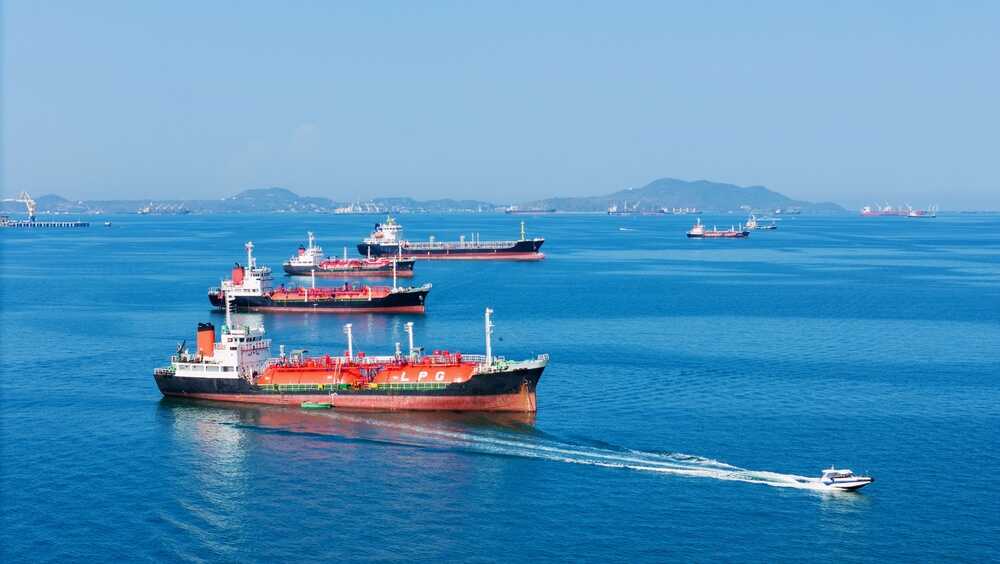
Energy watchers quickly flagged the move as a direct threat to global oil supply, since the strait handles about one-fifth of global oil shipments in normal times.[13][21] Earlier phases of this conflict already pushed crude prices near $100 a barrel, roughly 70 percent higher than before the fighting, as tankers avoided the danger zone.[6] For American families, that kind of squeeze shows up fast in gas prices, higher shipping costs, and price hikes on everyday goods that move by truck, rail, and ship.
What The U.S. Military Says Is Really Happening On The Water
While Tehran broadcasts threats, American commanders paint a very different picture at sea. United States Central Command has reported that international maritime traffic continues to move through the Strait of Hormuz under U.S. surveillance, with dozens of merchant ships recently transiting the chokepoint carrying millions of barrels of oil.[13] A senior U.S. defense official told reporters there were no signs of Iranian troop movements that would show an actual, enforced blockade of the strait.[2]
Western and regional outlets also describe a familiar pattern: Iran declares the strait “closed,” but shipping data and naval patrols show at least some traffic still getting through.[22] In past flare‑ups, Iran’s navy and allied militias have fired on or harassed tankers, raising insurance costs and scaring many shippers away, without fully sealing the passage.[4][21] That kind of “effective obstruction” can still choke supply and spike prices, even when a few bold or escorted ships continue to sail.
Can Iran Legally Close A Global Shipping Artery?
International law is not on Tehran’s side. Legal analysis notes that the Strait of Hormuz is not fully inside Iran’s territorial waters, and that Iran cannot unilaterally close it without Oman’s consent.[2] The San Remo Manual on armed conflicts at sea, which reflects modern naval law, states that the right of “transit passage” through international straits continues even during war.[2] In simple terms, Iran does not have the lawful right to shut down this waterway for the rest of the world.
https://twitter.com/FitnessCaptain/status/2068851824015335900
This same analysis argues that closing the strait also fails the test of “military necessity,” because it does little to stop U.S.-Israeli missile strikes but does punish neutral countries that rely on the route.[2] Historical reviews underline that, despite many threats, the Strait of Hormuz “has never been truly closed,” though traffic has at times dropped by more than 95 percent due to Iranian attacks and mining campaigns.[21] That record suggests Iran’s power lies in raising risk and chaos, not in legally or physically owning the sea lane.
How This Fits A Long Pattern Of Pressure And Why Americans Should Care
Think tanks that track the region say this showdown fits a years‑long pattern: when tensions rise, Iran threatens or narrows passage to show strength, while the United States insists the waterway stays open and backs that claim with naval presence.[4][20] During the 2026 Iran war, credible threats alone were enough to scare most ships away without a formal, fully enforced closure.[21][22] Now, Iran is again tying strait access to political demands about ceasefire terms, sanctions relief, and U.S. “blockades” on Iranian ports.[18][24]
For Americans already tired of high prices and global games, the stakes are straightforward. Every time Iran rattles this chokepoint, oil markets jump and families feel it at the pump. Meanwhile, U.S. forces must stay forward‑deployed to keep sea lanes open, even as many in Washington still push green agendas that make domestic energy harder to produce. The more leverage hostile regimes gain over global supply routes, the more they can test U.S. strength, stress our economy, and pressure future leaders to accept bad deals just to keep the oil flowing.
Sources:
[2] Web – Iran closes Strait of Hormuz, blames US for breaching deal
[4] Web – Iran announces plans to close the Strait of Hormuz … – Politico
[6] YouTube – Iran says it closed Strait of Hormuz, citing ceasefire violations
[9] YouTube – Iran uses Strait of Hormuz closure as leverage in Switzerland talks
[13] Web – Iran Says It Has Closed Strait of Hormuz Amid US-Israel Ceasefire …
[18] Web – Four questions (and expert answers) about Iran’s threats to …
[20] Web – An ‘Open for Open’ Hormuz Deal Could Break the Iran Stalemate
[21] Web – Strait of Hormuz – U.S. – Iran Relations – Strauss Center
[22] Web – Strait of Hormuz | Map, Importance, Conflict and Closure, Control, Oil …
[24] Web – Iran threatens shipping in Gulf, Red Sea – NBC News