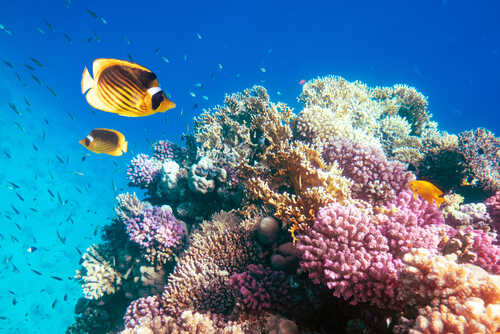
Scientists have discovered thousands of previously unknown microbes inside coral reefs that could unlock breakthrough treatments for cancer, HIV, Alzheimer’s disease, and antibiotic-resistant infections—but only if government mismanagement doesn’t let these natural pharmacies disappear first.
Story Snapshot
- Researchers identified 3,700 new bacterial species in coral reefs, with 90% never before documented in scientific literature
- Over 20,000 bioactive compounds from reef organisms show pharmaceutical potential, growing by more than 1,000 discoveries annually
- Scientists can now synthesize coral-derived medicines in laboratories, eliminating the need to harvest endangered reefs
- Climate policies and regulatory failures threaten reef ecosystems before medical breakthroughs reach patients who desperately need them
Untapped Medicine Cabinet Beneath the Waves
UC Santa Barbara researchers analyzed data from the 2016-2018 Tara Pacific Expedition and uncovered 13,000 microbial genomes from Pacific coral reefs in February 2026. The findings revealed 3,700 bacterial species that science had never cataloged, with roughly 90% representing entirely new discoveries. These microbes live symbiotically within coral structures, producing chemical compounds not found anywhere on land. The sheer density of competing organisms in reef environments forces them to develop unique defensive chemicals, creating what amounts to an underwater pharmaceutical laboratory that has operated for millions of years.
From Ocean Floor to Laboratory Production
ETH Zurich scientists simultaneously reconstructed 645 previously unknown microbial genomes from coral reefs, finding that over 99% were new to science. These organisms demonstrate far superior natural product potential compared to microbes found in open ocean water. UC San Diego researchers solved a critical supply problem by identifying the genetic blueprints that soft corals use to produce anti-cancer and anti-inflammatory diterpenoids. Scientists can now insert these coral gene clusters into bacteria for mass production in laboratories, eliminating the ethical and practical problems of harvesting wild coral. This breakthrough addresses concerns about destroying reefs to obtain medicine.
Proven Medicines Already Saving Lives
Coral reef ecosystems have already produced FDA-approved medications that treat serious diseases. Cytarabine, derived from Caribbean sea sponges found on coral reefs, gained approval in 1969 for treating leukemia and remains in use today. Ziconotide, a powerful painkiller from reef-dwelling cone snails, received FDA approval in 2004 for patients with severe chronic pain. University of Michigan researchers are developing HIV-targeting compounds from coral bacteria that attack the virus through mechanisms current drugs cannot address. These success stories demonstrate that reef-derived medicines are not theoretical possibilities but practical realities that have extended and improved human lives for decades.
Antibiotics for a Resistant Future
The antibiotic resistance crisis has created urgent demand for new antimicrobial compounds as common bacteria evolve immunity to existing drugs. Fungi collected from South China Sea coral in 2011 produced compounds effective against Micrococcus tetragenus, a pathogen increasingly resistant to standard antibiotics. Researchers identified Acidobacteriota bacteria in reef samples that produce novel enzymes with antimicrobial properties. The 20,000-plus bioactive compounds cataloged from coral reef organisms represent potential solutions to infections that kill thousands annually when conventional treatments fail. This pharmaceutical treasure exists nowhere else in such concentration, making coral reefs irreplaceable resources for human health security.
Government Failures Threatening Medical Breakthroughs
Coral reefs face extinction from climate change, pollution, and mismanaged coastal development—threats exacerbated by decades of contradictory environmental policies that accomplished little while consuming billions in taxpayer dollars. Rebecca Vega Thurber of UC Santa Barbara described the discoveries as a “huge treasure trove of genomic potential” for medicines and industrial applications, yet regulatory gridlock and funding battles between agencies leave conservation efforts fragmented and ineffective. ETH Zurich’s Shinichi Sunagawa warned that reefs function as an “endangered natural pharmacy,” with thousands more microbes awaiting discovery. The irony is inescapable: government bureaucracies that claim to prioritize public health and environmental protection have failed to adequately safeguard the very ecosystems that could provide cures for diseases affecting millions of Americans, while simultaneously imposing costly regulations that burden working families and small businesses.
What scientists found inside coral reefs could change the future of medicine
Beneath the beauty of coral reefs lies a hidden universe of microbes unlike anything scientists expected. Each coral species supports its own specialized microbial partners, many of which have never…
— The Something Guy 🇿🇦 (@thesomethingguy) May 8, 2026
The disconnect between promised outcomes and actual results reveals how deeply broken the system has become. Bradley Moore of UC San Diego noted that coral chemicals are “not seen on land,” emphasizing their unique value, yet federal agencies struggle to coordinate reef protection with the same urgency they apply to enforcing minor regulatory infractions against ordinary citizens. Coral reefs support 25% of all marine biodiversity despite covering less than 1% of the ocean floor, making them disproportionately valuable for medical research and ecosystem health. As these natural laboratories disappear, potential treatments for cancer, Alzheimer’s disease, and antibiotic-resistant infections may vanish before scientists can unlock their secrets—a preventable tragedy that will cost lives.
Sources:
Medicinal Cures Within Coral Reefs – Coral Reef Alliance
Researchers Uncover Treasure Trove of Bioactive Molecules in Coral Reefs – UC Santa Barbara
An Endangered Natural Pharmacy Hidden in Coral Reefs – ETH Zurich
Study Unlocks Soft Corals’ Biomedical Potential – UC San Diego Today
Discovering Life-Saving Medicines in Coral Reefs – PBS SoCal
Quest for a True AIDS Cure from Coral Reef – Michigan Medicine
Medicines from the Sea – NOAA Ocean Today