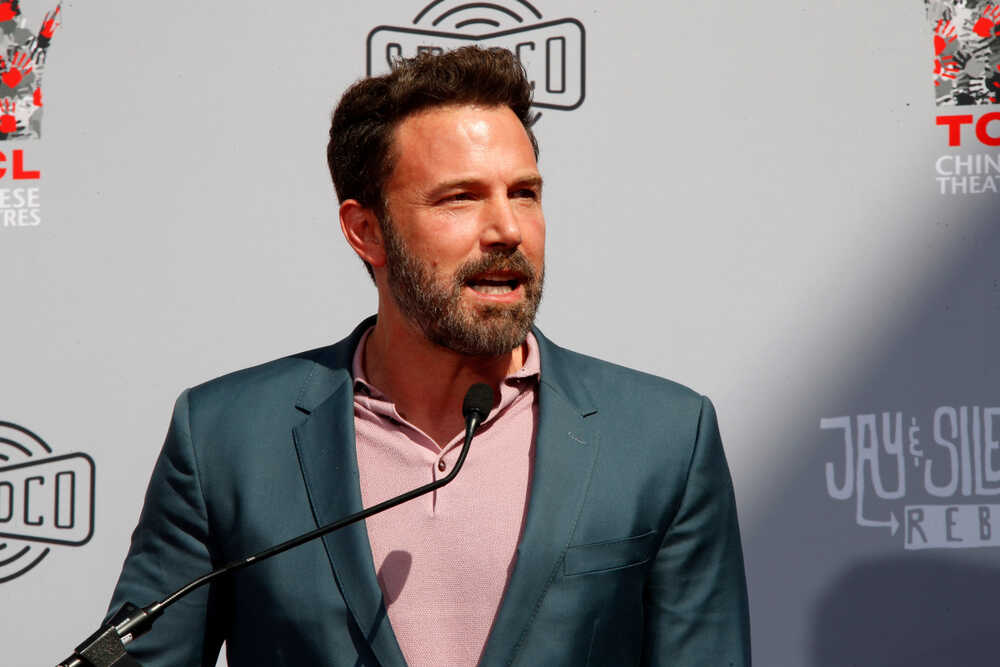
Two Florida lawmen say Hollywood turned a real-life drug-money seizure into a corruption fantasy—and now a federal lawsuit could decide how far “inspired by true events” is allowed to go.
Story Snapshot
- Miami-Dade Sheriff’s Office sergeants Jason Smith and Jonathan Santana filed a federal defamation suit over Netflix’s January 2026 film “The Rip.”
- The officers say the movie borrows distinctive details from their 2016 Miami Lakes case—down to orange buckets and a hidden wall—while falsely portraying cops as thieves and killers.
- Artists Equity (owned by Ben Affleck and Matt Damon) and Falco Pictures are named defendants; Netflix, the distributor, is not.
- A key near-term hurdle is a May 12 deadline to amend the complaint to address jurisdiction issues, or risk dismissal.
Why two working cops say a Netflix crime drama crossed the line
Jason Smith and Jonathan Santana, now sergeants with the Miami-Dade Sheriff’s Office, allege that “The Rip” takes unusually specific elements from their 2016 Miami Lakes investigation and repackages them into a story of “dirty” officers. In the real case, narcotics investigators found roughly $21.9 million hidden behind a false wall inside orange buckets—reported as the largest cash seizure in department history. The officers say there were no misconduct allegations tied to their work.
The lawsuit targets Artists Equity, the production company linked to Affleck and Damon, and co-producer Falco Pictures. The officers argue that even if the film doesn’t use their names, the combination of location cues and granular details invites viewers—especially people familiar with the case—to connect the fictional characters to them. That identification argument is central to defamation claims involving dramatizations, because plaintiffs must show they are reasonably recognizable.
What the film allegedly added—and why that matters to reputation
Reporting on the complaint describes a plot that diverges sharply from the 2016 investigation. The movie reportedly depicts officers conspiring to steal seized drug money and committing extreme crimes, including killing a supervising officer and engaging in broader violence and misconduct. Smith and Santana say the reputational damage is not hypothetical: the suit describes colleagues and prosecutors questioning them about theft and even murder allegations—claims the officers insist are entirely fabricated and never part of the real case.
Those alleged workplace consequences help explain why this dispute resonates beyond celebrity gossip. Law enforcement careers depend heavily on credibility—internally with supervisors and prosecutors, and externally with juries and the public. When a dramatization suggests officers stole money or harmed colleagues, the “smear radius” can reach further than most private workplaces. Even so, the lawsuit still has to clear a legal bar: the film must be linked to the plaintiffs closely enough, and the portrayal must be shown as false and damaging in a way defamation law recognizes.
The defense: fiction, disclaimers, and the First Amendment boundary
Artists Equity’s attorney, Leita Walker, responded to a demand letter by arguing the film is fictional and includes a disclaimer stating it does not portray real people or purport to tell the true story of the incident. The defense position, as reported, is that unnamed fictional characters cannot be tied to the plaintiffs—and that the plaintiffs have not pinpointed which character is supposedly “them.” That argument reflects a common First Amendment tension: creative works get breathing room, but reputations aren’t fair game if real people are effectively targeted.
From a practical standpoint, the facts that appear least disputed are the timeline and the overlap of certain signature details: the 2016 bust, the size of the cash seizure, the January 2026 release, and the movie’s marketing as “inspired by true events.” What remains less clear from public reporting is how explicitly the film signals the specific Miami Lakes event, and how a judge will weigh disclaimers against a “constellation” of matching details. That balance often decides whether a case proceeds past early motions.
A tight court deadline and a larger trust problem Americans already feel
As of May 11 coverage, court documents indicate the plaintiffs must file an amended complaint by May 12 to fix jurisdiction concerns, or the case could be dismissed before the merits are tested. The suit seeks compensatory and punitive damages, attorney fees, and a public retraction/correction, with damages described as exceeding $75,000. That procedural deadline matters because it highlights how quickly real grievances can be decided on technical legal grounds rather than full factual review.
Politically, the dispute lands in a combustible moment. Conservatives who already believe major institutions routinely disparage policing will see another example of cultural power—big entertainment companies—shaping public perceptions with little accountability. Many liberals who distrust law enforcement will be wary of lawsuits that could chill speech. Both sides, however, can recognize a shared frustration: elite institutions often set narratives, while everyday professionals absorb the fallout. This case will test whether courts can protect free expression without leaving ordinary reputations defenseless.
South Florida officers sue Ben Affleck and Matt Damon, claiming details in 'The Rip' are too real https://t.co/zXibtGstpc pic.twitter.com/CKCiONT8DK
— WGAUradio (@WGAUradio) May 11, 2026
Sources:
https://www.tmz.com/2026/05/08/ben-affleck-and-matt-damon-production-company-reportedly-sued/