
A federal judge just tossed the Trump DOJ’s case against James Comey—not because the allegations were proven wrong, but because the prosecutor who brought them allegedly lacked legal authority to do it.
Quick Take
- Judge Cameron Currie dismissed the Comey and Letitia James cases without prejudice after finding the interim U.S. attorney’s appointment was unlawful, wiping out the indictments for now.
- Fox News legal analysts argued the prosecution looked “absurd” on procedure, warning that shortcut tactics can boomerang even when voters want accountability.
- Attorney General Pam Bondi signaled the administration will appeal and/or move to refile, meaning the fight is likely headed to the Fourth Circuit.
- The DOJ is simultaneously battling claims of selective and vindictive prosecution, while a magistrate judge ordered disclosure of grand jury materials amid concerns about potential misconduct.
Judge’s Dismissal Turns on the Prosecutor’s Appointment, Not the Merits
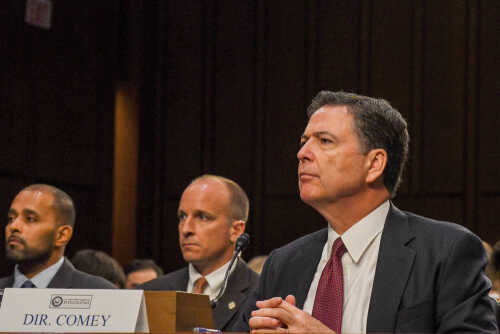
Judge Cameron Currie dismissed charges against former FBI Director James Comey and, in a parallel matter, New York Attorney General Letitia James after concluding interim U.S. Attorney Lindsey Halligan was unlawfully appointed and therefore lacked authority to obtain indictments. The dismissals were “without prejudice,” which matters: the government can try again if it fixes the defect. The ruling focused on process—who had lawful power to act—not a factual determination that Comey or James did nothing wrong.
The underlying Comey case stemmed from allegations tied to false statements to Congress and obstruction, with the controversy intensified by the political backdrop of Trump-era disputes and public pressure. Comey pleaded not guilty and argued that the prosecution was politically motivated. The judge’s action, however, placed the spotlight on the structural guardrails of federal power—especially the rules governing who may represent the United States in court—rather than on the contested conduct alleged in the indictment.
DOJ Denies Politics Drove the Case as Selective-Prosecution Claims Grow
The Justice Department has disputed the idea that President Trump’s public posts drove prosecutorial decisions, pushing back in court filings against claims that the case should be thrown out for selective or vindictive prosecution. Those arguments gained attention because the timeline included public calls to prosecute certain political figures and the reported resignation of a prior U.S. attorney amid pressure. Even if DOJ lawyers insist politics played no role, the record shows why courts treat appearances and process as central to legitimacy.
Complicating matters, a magistrate judge ordered DOJ to hand over grand jury materials in response to concerns about potential misconduct and possible “taint.” That order does not prove wrongdoing, but it signals skepticism that the government’s internal safeguards worked cleanly in a high-profile case. For voters already convinced Washington runs on double standards—protecting insiders while crushing outsiders—these procedural failures reinforce the broader worry that the system is less about equal justice and more about institutional self-preservation.
Bondi Vows an Appeal, but the Clock and the Courtroom Rules Still Matter
Attorney General Pam Bondi has indicated the administration intends to move quickly—through appeal and/or refiling—after the setback. Because the dismissals were without prejudice, prosecutors may get another chance, and reporting has highlighted how dismissals can affect timing under statutes of limitation. The immediate question is whether the Fourth Circuit will agree that the interim appointment violated the law, and whether DOJ can remedy the defect without reopening fresh challenges about politicization.
Why This Case Fuels “Weaponization” Fears Across the Political Divide
Conservatives tend to see the Comey saga through the lens of long-running frustration with unaccountable bureaucracies and a perceived “deep state” culture that escapes consequences. Liberals often view the same case as political retaliation dressed up as law enforcement. The judge’s ruling gives both sides a concrete, non-ideological reality to grapple with: even in emotionally charged disputes, prosecutors must follow the appointment rules, and courts can—and do—nullify cases that don’t meet basic legal prerequisites.
Fox News Legal Analyst Shreds Trump DOJ’s ‘Absurd’ Comey Prosecution #Mediaite https://t.co/IasNemzOxk
— #TuckFrump (@realTuckFrumper) April 29, 2026
The practical takeaway is bigger than Comey. When an administration wants accountability, the temptation is to move fast and treat procedure as paperwork. But procedure is the legitimacy. If DOJ shortcuts authority questions or piles on novel theories that look shaky, it hands opponents an easy off-ramp and erodes public trust in outcomes—even outcomes that might otherwise be accepted. In a country already skeptical of elites, the government can’t afford prosecutions that collapse on avoidable technical grounds.
Sources:
Comey expects further legal scrutiny from Trump admin, criticizes ‘fools’ who would frighten us
DOJ defends Trump Truth Social post as Comey seeks to have case dismissed
Trump admin vows to move quickly after Comey case setbacks: What to know
Federal judge orders DOJ to hand over grand jury material
Former Trump lawyer Halligan defends US prosecutor status in wake of Comey, James dismissals